

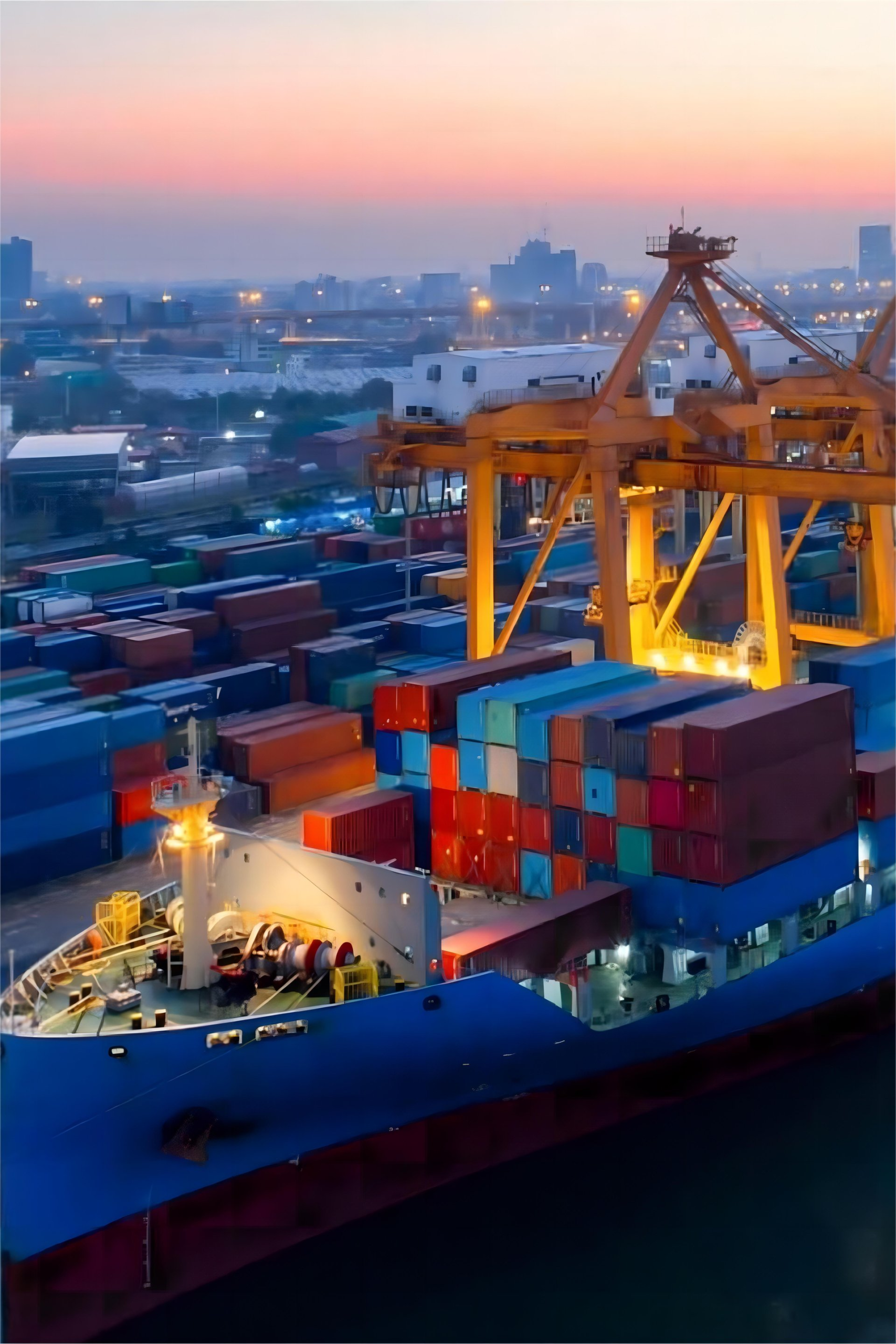
Amazon FBA Shipping China to Australia: The 2026 Logistics Guide
Amazon FBA shipping China to Australia remains a vital component for e-commerce businesses looking to scale in the Oceania region. Consequently, navigating the complexities of international logistics requires a reliable partner like Global China Freight to ensure your inventory reaches fulfillment centers without delay. Moreover, understanding the nuances of the Australian market helps you avoid common pitfalls that lead to hidden costs. As a result, this guide provides a comprehensive overview of the most efficient shipping strategies available in 2026.

Why Amazon FBA Shipping China to Australia is Growing in 2026
Succeeding in the Australian marketplace requires a robust supply chain that bridges the gap between Chinese manufacturing and local demand. For instance, the rise of consumer spending in Sydney and Melbourne has accelerated the need for faster delivery cycles. Therefore, merchants must optimize their logistics to maintain high seller ratings and customer satisfaction levels. Additionally, the stability of trade relations in early 2026 has provided a predictable environment for long-term inventory planning.
Logistics trends suggest that Australian consumers now expect delivery windows that rival those in North America and Europe. However, the geographic distance between Shenzhen and Brisbane presents unique challenges for sea and air routes. You must account for these factors when calculating your lead times and stock replenishment schedules. Furthermore, local competition is increasing, making cost-efficiency a primary driver for choosing specific freight methods.
The Role of Specialized Logistics Services
Selecting a provider that offers tailored Amazon FBA solutions can significantly reduce your administrative burden. These services typically include labeling, palletizing, and direct delivery to Amazon warehouses like BWU1 or MEL1. Consequently, you can focus on marketing and product development while experts manage the physical movement of your goods. Moreover, integrated tracking systems allow you to monitor your shipment status in real-time.
What are the Best Shipping Methods for Australia FBA?
Most sellers prioritize either speed or cost depending on their specific product category and profit margins. For example, high-value electronics often travel via air freight to minimize the time capital is tied up in transit. On the other hand, bulky items like furniture or home decor are much more suited for maritime transport. You should evaluate your inventory turnover rate before committing to a specific shipping mode.
Sea freight remains the backbone of the China-Australia route due to its massive capacity and lower environmental impact. Indeed, sea freight offers the most competitive rates for shipments exceeding two cubic meters. We recommend planning your shipments at least six weeks in advance to account for potential port congestion or seasonal peaks. Meanwhile, express services provide a middle ground for smaller parcels that need to arrive within a week.
| Method | Cost Range | Transit Time | Best For |
|---|---|---|---|
| Sea FCL | $1,100 – $1,900 | 12-18 Days | Bulk Inventory |
| Sea LCL | $60 – $110/CBM | 15-22 Days | Mid-size Batches |
| Air Freight | $4.80 – $7.20/kg | 3-6 Days | Urgent Restock |
| Express | $7.50 – $11.00/kg | 2-4 Days | Samples/Small |
How Does Sea Freight Compare to Other Shipping Options?
Analyzing the trade-offs between different transit modes is essential for maintaining a healthy bottom line. While sea freight costs significantly less than air transport, the longer transit times require higher safety stock levels. For instance, a 40HQ container might cost $1,800 to ship to Sydney, whereas the same volume by air would be prohibitively expensive. Consequently, sea freight is the superior choice for established products with predictable demand.
Alternative strategies like sea-air hybrid solutions have gained popularity for shipments that are too heavy for air but too urgent for sea. This approach involves shipping by sea to a hub like Singapore and then flying the cargo to Australia. However, direct sea routes from Shenzhen or Ningbo to Australian ports are already quite fast compared to European routes. Therefore, many sellers find that direct sea transport offers the best balance of speed and price.
Choosing between Full Container Load (FCL) and Less than Container Load (LCL) depends entirely on your volume. If your shipment is over 15 CBM, FCL usually becomes more economical because you pay for the entire box rather than the space used. In contrast, LCL allows you to share space with other shippers, which is perfect for testing new products. Nevertheless, LCL involves more handling at the port, which slightly increases the risk of damage or delays.
| Feature | FCL (Full) | LCL (Shared) | Impact |
|---|---|---|---|
| Cost Basis | Per Container | Per CBM/Weight | Volume Dependent |
| Handling | Minimal | Extensive | Safety Risk |
| Speed | Faster | Slower | Consolidation |
| Security | High | Moderate | Seal Integrity |
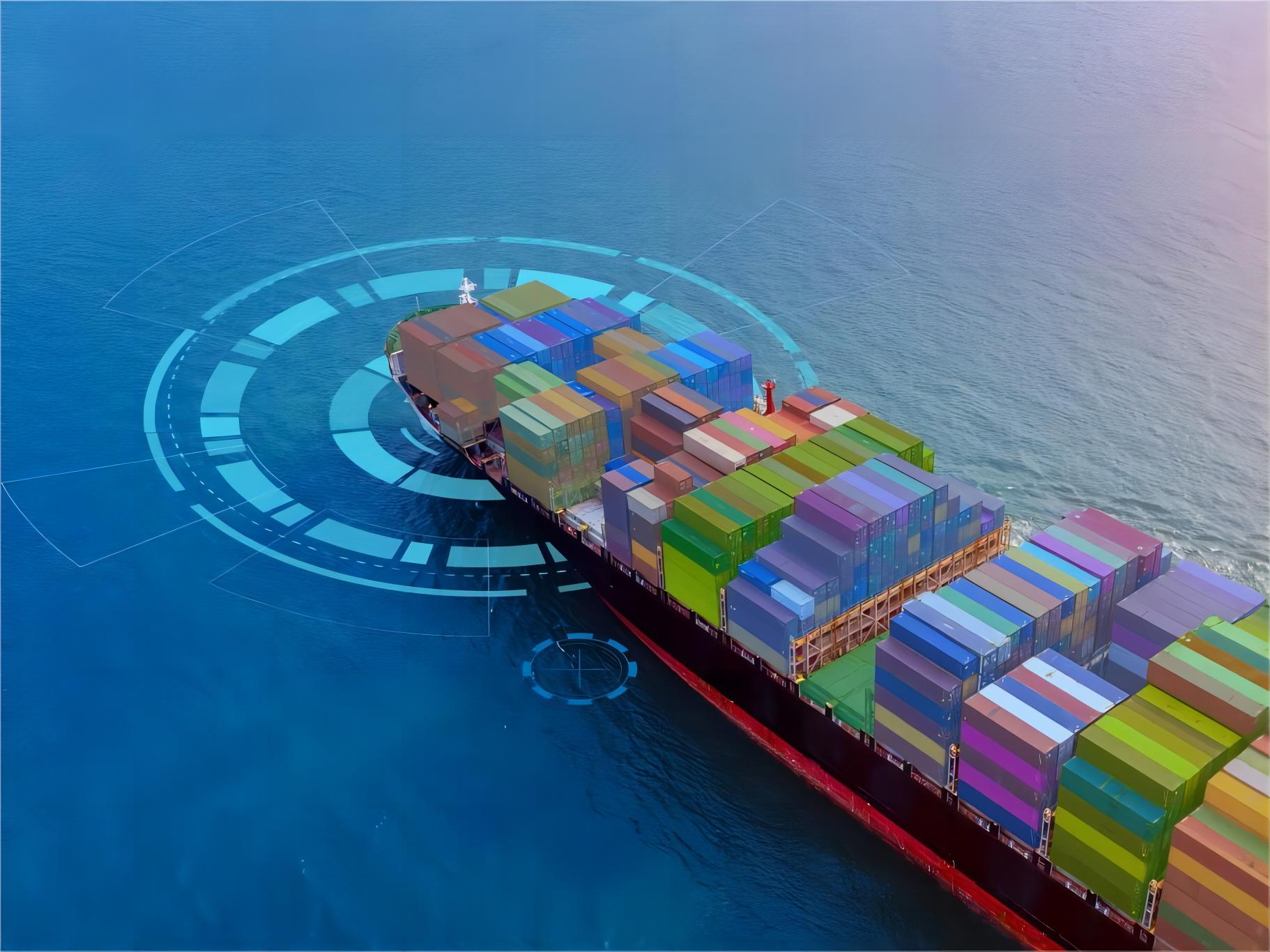
Understanding the Costs of Amazon FBA Shipping China to Australia
Budgeting for your logistics involves more than just the base freight rate provided by the carrier. You must also account for origin charges, documentation fees, and destination handling costs at the Australian port. Specifically, the Australian Goods and Services Tax (GST) and potential import duties can significantly impact your landed cost. Therefore, we advise sellers to use a landed cost calculator to avoid unexpected financial surprises.
Market data from early 2026 suggests that rates have stabilized after the fluctuations seen in previous years. However, seasonal spikes during the lead-up to the Christmas period can still increase costs by 15-20%. Consequently, booking your space at least three weeks before the peak season begins is a smart move. Furthermore, optimizing your packaging to reduce dimensional weight can save you hundreds of dollars over multiple shipments.
Note: Freight rates are subject to change based on fuel costs, carrier capacity, and seasonal demand. Contact us for a current quote tailored to your specific shipment.
Navigating Australian Customs and Import Regulations
Clearing customs in Australia requires meticulous attention to detail and accurate documentation. The Australian Border Force (ABF) is known for its strict biosecurity laws, which apply to wood packaging and organic materials. As a result, ensuring your pallets are heat-treated and correctly stamped is mandatory for all sea shipments. Working with a professional customs brokerage service can prevent your goods from being held in quarantine.
Importing into Australia also requires an Australian Business Number (ABN) if you intend to claim GST credits. Furthermore, you must provide a commercial invoice, a packing list, and a Bill of Lading for every shipment. If your products fall under specific categories like chemicals or toys, additional permits might be necessary. Consequently, verifying these requirements before your goods leave China is essential for a smooth delivery process.
Professional logistics providers offer door to door services that include customs clearance as part of the package. This all-in-one approach simplifies the process for international sellers who may not be familiar with local Australian regulations. Indeed, having a single point of contact for the entire journey reduces the likelihood of communication errors between different agents.
| Document | Required By | Purpose | Format |
|---|---|---|---|
| Commercial Invoice | Customs/ABF | Valuation | Digital/PDF |
| Packing List | Warehouse | Inventory Check | Digital/PDF |
| Bill of Lading | Carrier | Title of Goods | Original/Telex |
| COO Certificate | Customs | Duty Reduction | Official Form |
Case Studies: Successful Shipments to Australian FBA Centers
Case Study 1: Electronics restock from Shenzhen to Sydney. A seller moved 8 CBM of consumer electronics using Sea LCL to meet the Q1 2026 demand. The cargo departed from Shenzhen Port and arrived at Port Botany in 14 days. After three days of customs clearance and local trucking, the goods reached the BWU1 fulfillment center. The total landed cost was $1,420, and the seller avoided stockouts during a major promotion.
Case Study 2: Apparel launch from Shanghai to Melbourne. An emerging fashion brand shipped 200kg of seasonal clothing via Air Freight to capture a sudden trend. Consequently, the shipment arrived at Melbourne Airport in just 4 days. Our team handled the customs entry and delivered the cartons to the MEL1 warehouse within 24 hours of arrival. This speed allowed the brand to capitalize on the trend before competitors could react.
Case Study 3: Home furniture from Ningbo to Perth. A manufacturer used a 20GP FCL container to send 25 CBM of flat-pack furniture. By choosing a direct route to Fremantle, they minimized transit time to 16 days. Moreover, the FCL method protected the large items from the extra handling associated with LCL. The total ocean freight was $1,250, making it a highly cost-effective solution for high-volume inventory.

Key Steps in the Amazon FBA Shipping China to Australia Process
Starting the process involves creating a shipping plan within your Amazon Seller Central account. You must select the appropriate fulfillment center and generate the necessary FBA labels for each carton. Subsequently, your supplier in China will apply these labels according to Amazon’s strict requirements. Failure to follow these guidelines can result in your shipment being rejected or delayed at the warehouse.
Arranging the pickup from your factory is the next critical step in the logistics chain. Your freight forwarder will coordinate with the supplier to ensure the goods are ready for the scheduled vessel or flight. Meanwhile, they will prepare the export documentation required by Chinese customs. Therefore, clear communication between all three parties is vital for avoiding delays at the origin port.
Monitoring the journey through shipping from China to Australia allows you to update your inventory levels accurately. Once the vessel arrives, the local agent handles the unloading and customs processing. Finally, the goods are palletized if necessary and delivered to Amazon via an approved carrier. This structured approach ensures that your supply chain remains resilient and scalable.
Which Option Should You Choose for Your Business?
Deciding on the right shipping strategy depends on your current business goals and financial constraints. If your primary objective is to minimize costs and you have high inventory volume, sea freight is the clear winner. However, if you are launching a new product and need to test the market quickly, air freight provides the necessary agility. You should also consider a hybrid model where you send a small batch by air and the bulk of your stock by sea.
Volume thresholds often dictate when you should switch from LCL to FCL. Generally, once your shipment exceeds 15 CBM, the cost of a full 20GP container becomes comparable to LCL rates but with faster transit. Additionally, consider the fragility of your goods; FCL offers better protection as the container remains sealed from the factory to the destination. Therefore, analyze your shipping data regularly to identify opportunities for cost optimization.
Final Thoughts on Australia FBA Logistics
Mastering Amazon FBA shipping China to Australia is a journey of continuous optimization and strategic planning. By choosing the right shipping method and staying updated on market trends, you can significantly enhance your competitive advantage. Remember that a reliable freight forwarding partner is your greatest asset in navigating international trade. Consequently, investing time in setting up a robust logistics framework today will pay dividends as your Australian business expands throughout 2026.
Start Your Shipment
Ready to streamline your Amazon FBA shipping China to Australia? Contact Global China Freight today for a customized quote and expert logistics advice. Our team is standing by to help you navigate the 2026 shipping landscape and grow your e-commerce business. Visit our website to request your free freight analysis now.
Request Quote