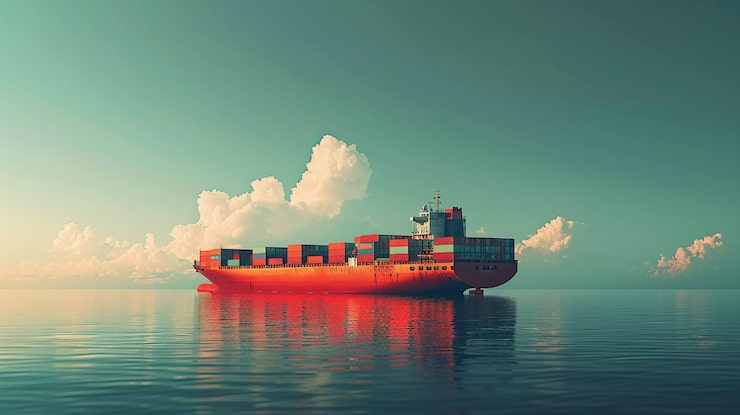
Global China Freight provides reliable and efficient logistics solutions from China to Sweden, offering direct sea freight services to major ports such as Gothenburg and Stockholm, as well as fast air freight options to Arlanda and Landvetter airports. Our EU-compliant operations ensure secure, timely, and cost-effective transportation for all types of cargo.
Sea freight shipments typically take 35–40 days, making it ideal for machinery, electronics, furniture, and commercial goods. For urgent, high-value, or temperature-sensitive shipments—including pharmaceuticals—we provide 1–3 day air freight with priority handling. Our team also offers comprehensive support in CE certification, EU import compliance, and maintains a 98.7% customs clearance success rate, ensuring smooth entry into Sweden.
With advanced tracking systems, professional documentation support, and fully managed end-to-end services, Global China Freight ensures your cargo reaches Sweden safely, efficiently, and with complete peace of mind.
Global China Freight offers dependable and cost-effective sea freight solutions from China to Sweden, with direct services to Gothenburg, Stockholm, and Helsingborg. With stable sailings and partnerships with Maersk, MSC, COSCO, and Evergreen, we provide predictable 35–40 day transit times for machinery, electronics, furniture, automotive parts, and commercial goods.
Whether you need FCL or LCL shipping, our sea freight services include export documentation, CE-related compliance assistance, EU customs support, professional container handling, and final-mile delivery to all major Swedish regions including Malmö, Uppsala, Västerås, and Örebro.
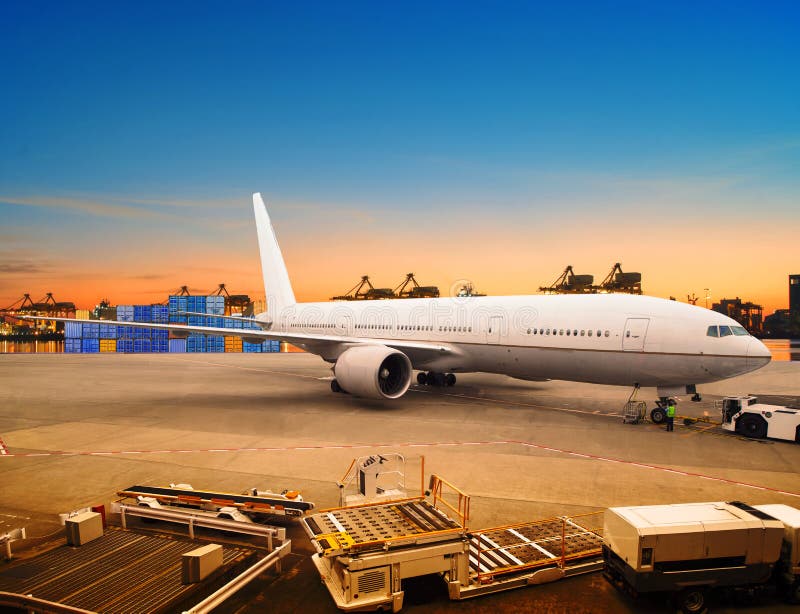
Global China Freight provides fast, secure, and high-priority air freight solutions to Sweden, routing shipments through Stockholm Arlanda (ARN) and Gothenburg Landvetter (GOT) airports. With transit times of 1–3 days, air freight is ideal for urgent, high-value, or temperature-sensitive goods such as pharmaceuticals, electronics, fashion items, medical equipment, and premium e-commerce products. We offer consolidation services, cold-chain handling options, priority customs processing, and real-time tracking to ensure seamless delivery to Swedish destinations.

Global China Freight provides a reliable and eco-friendly rail freight option from China to Sweden via European gateways such as Hamburg, Duisburg, Poznań, and Malmö. With 12–20 day transit times, rail freight offers a perfect balance between cost and speed—faster than sea freight and more economical than air freight.
Rail is suitable for electronics, furniture, household goods, industrial components, retail inventory, and palletized cargo. After arrival in the EU rail hubs, cargo is efficiently transferred to Sweden by truck for fast delivery.

Global China Freight provides secure and efficient FCL (Full Container Load) shipping solutions for large-volume cargo destined for Sweden. Containers arrive through major Swedish ports—mainly Gothenburg and Stockholm—before final distribution nationwide.
Our FCL service advantages include:
Container options: 20GP / 40GP / 40HQ
Competitive contract rates with global carriers
35–40 day predictable transit from major Chinese ports
Strong CE certification & EU compliance expertise
98.7% customs clearance success rate
Optional DDP (Delivered Duty Paid) delivery for complete import handling
End-to-end visibility with advanced AI tracking
FCL is ideal for machinery, commercial stock, building materials, industrial equipment, electronics, and high-volume retail inventory.
Global China Freight offers flexible and cost-efficient LCL (Less than Container Load) solutions for smaller shipments or mixed cargo headed to Sweden. Weekly consolidations from main Chinese ports ensure timely departures and stable scheduling.
Our LCL service benefits include:
Cost-effective shared container space
Professional palletizing & secure consolidation
Smooth EU customs clearance & documentation handling
Reliable transit times and transparent pricing
Final-mile delivery to Stockholm, Gothenburg, Malmö, Uppsala, and more
LCL is ideal for SMEs, e-commerce sellers, sample shipments, pharmaceuticals, and retail stock needing affordable, dependable logistics without requiring a full container.
Global China Freight will provide most fuel efficient pickup service China
We provide free warehousing services for any of your goods.
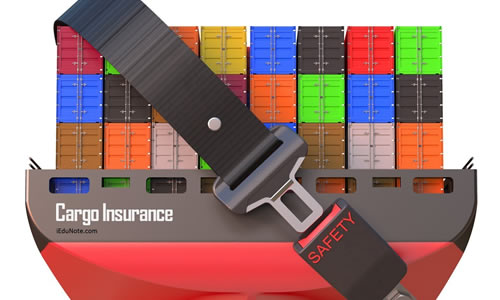
The cargo insurance protects your goods all the way to any Any FBA Warehouse

We handle all paperwork and other details for you.
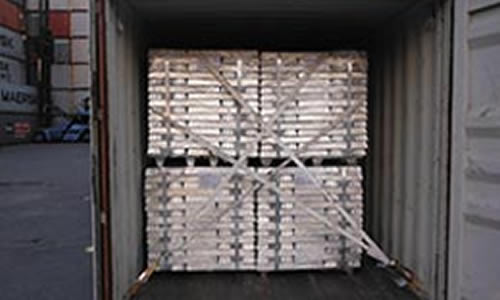
Ensure safe packaging and loading of goods in your suppliers' factory.

Shipping duration from China to Sweden can be influenced by several factors, including the chosen mode of transport (air or sea), route specifics, customs processing times, and any potential delays at ports or airports. Sea freight is generally slower but more economical, while air freight offers faster delivery at a higher cost. Additionally, weather conditions and logistical challenges can also impact shipping times.
You can track your shipment from China to Sweden using tracking numbers provided by your freight forwarder or carrier. Most forwarders offer online tracking systems where you can monitor the progress of your shipment in real-time. Ensure you receive and enter the correct tracking number on the carrier’s website or app to get updates on your shipment's status and location.
Air freight offers faster delivery times, typically ranging from 7 to 10 days, compared to sea freight's 20 to 40 days. It is ideal for urgent shipments or high-value items due to its speed and reduced risk of damage. However, air freight is more expensive than sea freight.
Common challenges include customs delays, logistical issues, and varying transit times. Other potential problems are documentation errors, language barriers, and fluctuating shipping costs. Effective planning, accurate paperwork, and choosing a reliable freight forwarder can help mitigate these issues.
Customs clearance can significantly impact shipping time. Delays in customs can occur due to incomplete or inaccurate documentation, regulatory compliance issues, or random inspections. Ensuring all paperwork is accurate and adhering to regulations can help avoid delays and expedite the process.
Essential documents include the commercial invoice, packing list, bill of lading, and certificate of origin. Depending on the type of goods, additional documents like import permits or health certificates may be required. Proper documentation ensures smooth customs processing and compliance.
Tracking can be done through the freight forwarder’s tracking system or the carrier's online portal. Most carriers offer real-time tracking updates, allowing you to monitor your shipment's progress and address any issues promptly. Ensure you receive tracking numbers from your forwarder.
Air freight is generally more expensive than sea freight. Costs for air freight are influenced by weight, volume, and speed, while sea freight costs are based on cargo size and shipping routes. For cost-effective solutions, assess your budget, delivery urgency, and shipment size.
Weather conditions can impact both air and sea freight. Severe weather may cause delays in departure, transit, or arrival. For sea freight, storms and rough seas can particularly affect transit times. Planning for potential delays and monitoring weather forecasts can help manage these risks.
Contact your freight forwarder or carrier immediately to determine the cause of the delay. Check tracking updates and review any potential issues related to customs, documentation, or logistical problems. Keeping open communication with your shipping partners can help resolve delays and ensure timely delivery.
Operations deal with the way the vehicles are operated, and the procedures set for this purpose, and policies. In the transport industry, operat ions and ownership of infrastructure can be either country.