

China Container Space Guarantee: 2026 Logistics Guide
Key Procurement Takeaways
- A 40HQ container provides optimal 65–70 CBM usable capacity for dense palletized freight.
- A 20GP container is limited to 26–28 CBM; exceeding this payload increases lashing risk.
- Submit your ISF and entry data at least 24 hours before container loading to avoid custom holds.
- Standard carrier rotations require a 25–35 day lead time, plus a 3-day buffer for CY gate-in.
- Demurrage and detention fees accrue daily after the expiration of your 7–10 day free-time window.
How to Avoid Demurrage and Detention When Booking Container Equipment to China Container Space Guarantee
Eliminating demurrage and detention begins with strict adherence to the container yard (CY) free-time clock and proactive drayage scheduling. Use Air Freight when the commercial window cannot wait for ocean transit.

Detention charges occur when the empty container is not returned to the carrier’s depot within the allotted free days, while demurrage applies to laden containers dwelling at the terminal past the free period.
To mitigate these risks, coordinate your door-to-door delivery with a reliable drayage partner who can expedite empty return cycles immediately after stripping.
20GP vs 40HQ: Equipment Sizing Rules for China Container Space Guarantee
Choosing the correct equipment size is fundamental to cost-per-unit efficiency, with 40HQ units providing the best value for volumes exceeding 58 CBM.
While a 20GP is ideal for high-density, low-volume cargo like machinery, the 40HQ allows for better vertical utilization of light, bulky goods.
Consult our sea freight team to ensure your cargo load plan aligns with the maximum payload restrictions for each container type.
| Equipment | Usable CBM | Max Payload (Approx) | Best Cargo Type |
|---|---|---|---|
| 20GP | 26-28 CBM | 28,000 kg | Dense Machinery |
| 40HQ | 65-70 CBM | 26,500 kg | Bulky Furniture / Textiles |
How to Avoid Roll-over and Dead Freight When Booking Container Equipment to China Container Space Guarantee
Securing a firm booking and S.O. release at least 14 days before the vessel’s estimated time of departure (ETD) is the most effective way to prevent cargo roll-overs.
Blank sailings and space shortages often trigger carrier prioritizations, where late-booked cargo is pushed to the next available voyage.
By providing accurate cargo-ready dates, you allow carriers to effectively allocate slots, reducing the risk of paying dead freight on unused space. See door-to-door for options that match this corridor.
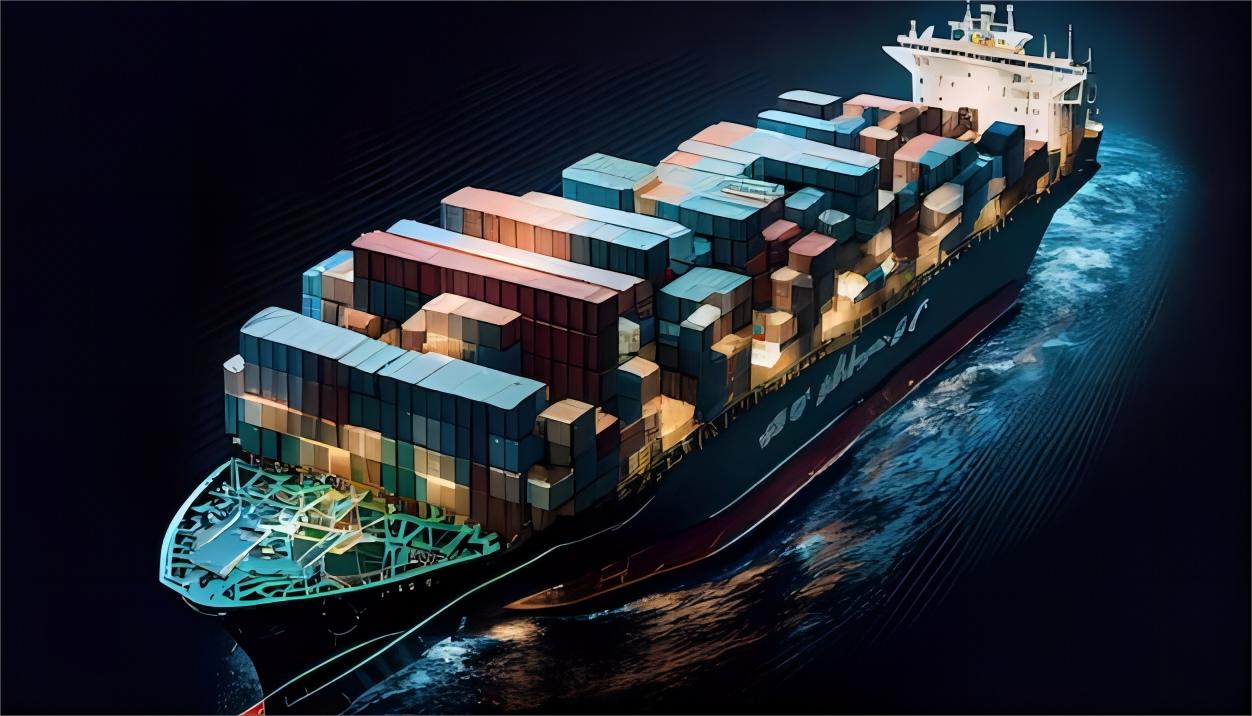
Illustrative Shipment Snapshots
Key metrics only — labeled illustrative scenarios for this corridor.
Industrial Machinery Export (Qingdao to Long Beach)
A manufacturer needed to ship 65 CBM of precision machinery. By securing a 40HQ space guarantee early, we avoided a 2-week roll-over during peak season, completing the door-to-door transit in 26 days.
Textile Replenishment (Ningbo to Felixstowe)
The client required a 20GP for a time-sensitive textile shipment. We managed the CY gate-in to ensure arrival before the holiday rush, avoiding demurrage fees through a coordinated drayage schedule.
What Transit Timeline Should You Expect?
For standard ocean routes from China to major global hubs, you should plan for a 25–35 day transit window, excluding pre-carriage and customs clearance.
During peak seasons or periods of port congestion, this timeline can extend by 7–10 days, necessitating a robust buffer in your inventory planning.
Utilizing North America corridor services ensures you have visibility into real-time vessel tracking and port discharge milestones.
How Are Landed Costs Typically Built?
Landed costs are built by aggregating the base ocean freight, bunker adjustment factors (BAF), terminal handling charges (THC), and destination-specific duties or taxes.
Understanding these components allows you to forecast your financial exposure more accurately and avoid surprise surcharges at the destination.
We recommend engaging with customs brokerage services early in the process to clarify tariff classifications and duty obligations.
Accessorial fees can easily exceed base freight costs if terminal free time, chassis availability, and customs filing timelines are not locked before departure. Requesting a transparent, fully itemized breakdown prevents unexpected port holds and destination invoice shocks.
| Accessorial / Surcharge Item | Typical Cost Band (USD) | Trigger Scenario | Financial Impact if Unmanaged |
|---|---|---|---|
| Port Demurrage | $150 – $350 / day | Exceeds terminal free time (often 4–5 days) without pickup | 5 delayed days can add $1,000+ in extra terminal cost |
| Carrier Detention | $125 – $250 / day | Exceeds carrier free container use (~7 days) before empty return | Depot turns bill per container every extra day |
| Chassis Split / Tri-axle | $85 – $175 / leg | Terminal chassis shortage forces off-dock chassis pull | Single dray leg cost rises 30%–50% |
| ISF Late / Inaccurate Filing | $5,000 / violation | ISF data not filed ≥24h before vessel loading (U.S. ocean) | CBP issues a fixed penalty; cargo may face holds |
| PierPass / Clean Truck Fee | $35 – $75 / TEU | Mandatory gate access surcharge during peak hours | Adds unavoidable per-container landed expense |
Which Documents and Compliance Checks Apply?
Mandatory documentation includes the Commercial Invoice, Packing List, and the transport document (Bill of Lading), which must be filed correctly to ensure smooth port release.
Compliance checks, particularly for security filings like ISF, must be completed at least 24 hours prior to container loading at the origin port.
Ensuring these documents are accurate prevents customs holds and costly document amendment fees.
How Do Peak Seasons Affect Capacity and Pricing?
Peak seasons, such as the period preceding major holidays, typically result in reduced carrier capacity and increased GRI, making early allocation essential.
Carriers prioritize volume-contract holders during these times, meaning spot-market shipments are the first to be rolled if capacity becomes tight.
Proactive planning and securing your space guarantee well in advance is the best defense against these seasonal market fluctuations.
What Is the Step-by-Step Process from Quote to Delivery?
Following a structured operational workflow ensures that every stage of your shipment—from booking to final delivery—is handled with precision.
By adhering to established milestones, you reduce the risk of communication gaps between your supplier, the carrier, and the destination terminal.
Our team manages these steps to ensure your goods move seamlessly across the supply chain.
Decision Framework
Under 15 CBM favors LCL consolidation; 15–28 CBM triggers a 20GP; 58–68 CBM typically demands a 40HQ to minimize per-unit landed cost.
Replenishment inside 12 days may require expedited ocean strings or air uplift; standard inventory plans can use 25–35 day carrier rotations with CY buffer.
Dense machinery/stone loads should maximize 20GP payload; light, bulky furniture/textiles should target 40HQ cube utilization and lash/secure rules.
Strategic Action Plan for 2026 Container Procurement
Locking China Container Space Guarantee capacity requires CY cut-off discipline, ISF compliance, and demurrage-aware terminal monitoring on China Container Space Guarantee.
Align POL/POD, equipment count, and S.O. release windows before peak-season blank sailings disrupt allocations.
Standard Operating Logistics Workflow
Booking & S.O. Release
Lock 20GP/40HQ allocation with the carrier and receive the Shipping Order (S.O.) with vessel/voyage.
CY Empty Pick-up
Dispatch drayage to the container yard (CY) to collect the empty box for factory stuffing.
Factory Stuffing & Gate-in
Complete loading, apply the seal, and return the laden container before CY cut-off.
ISF Filing & B/L Draft
Transmit ISF/entry data at least 24h before load and verify Master B/L parties and weights.
Terminal Dwell & Customs
Track discharge, customs release, and terminal free time to avoid demurrage.
Final Drayage & Empty Return
Deliver the full container to door and return the empty unit within detention free days.
Need a Customized Quote?
Ready to lock in your container allocation? Share your POL/POD, cargo-ready date, and required 20GP/40HQ count for a direct vessel allocation quote.
Get Instant Quote