
Global China Freight delivers specialized logistics solutions connecting China to Latvia’s growing Baltic markets. With optimized sea freight routes via Riga and Ventspils, we provide a reliable 30–35 day transit for furniture, electronics, and machinery shipments, supported by secure container handling and efficient inland delivery. For urgent cargo, our 1–3 day air freight services to Riga International Airport include temperature-controlled options ideal for pharmaceuticals and other sensitive goods.
To further reduce overall costs, our rail-sea intermodal services via Hamburg and Bremen offer a smart alternative—cutting expenses by up to 15% compared to air freight, making them perfect for automotive components, bulk commodities, and scheduled B2B replenishments. Backed by strong EU customs expertise, CE certification support, and a trusted Baltic agent network, Global China Freight ensures seamless import processing, compliance, and dependable last-mile performance across Latvia.
Global China Freight provides dependable sea freight solutions from China to Latvia, offering stable 30–35 day transit times via the Baltic gateways of Riga and Ventspils. Our services support both FCL and LCL shipments, ensuring safe container handling, optimized routing, and smooth inland delivery to Latvia’s major commercial centers. With strong EU customs expertise and CE documentation support, we guarantee seamless maritime transport for furniture, machinery, electronics, and general cargo.
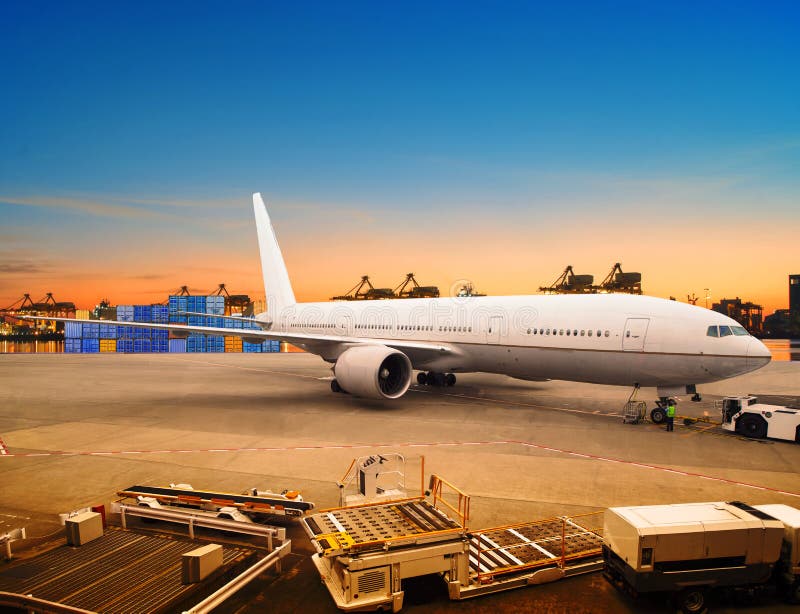
Choose Global China Freight for fast and secure air freight services to Latvia, delivering shipments to Riga International Airport in as little as 1–3 days. We offer specialized handling for temperature-sensitive products such as pharmaceuticals, high-value electronics, and critical machinery parts. With optimized flight options from key Chinese airports and real-time tracking, we ensure reliable, time-definite air cargo movement tailored to urgent business needs.

Global China Freight offers efficient rail-sea intermodal services to Latvia, moving goods from China through Hamburg, Bremen, or other European rail hubs before final Baltic delivery. This combined solution reduces overall shipping costs by up to 15% compared with air freight while maintaining stable transit times and excellent cargo security. Ideal for automotive components, bulk goods, industrial equipment, and scheduled B2B replenishments, our rail-sea service provides a balanced logistics option between speed and cost.

Global China Freight delivers reliable FCL (Full Container Load) shipping solutions from China to Latvia, ensuring maximum cargo protection, predictable schedules, and efficient delivery across the Baltic region. Containers are shipped via major European ports such as Hamburg, Rotterdam, or Gdańsk, and then transported to Latvia through well-established Baltic logistics corridors.
Our FCL services include:
With strong carrier partnerships and an experienced operations team, Global China Freight ensures a smooth, secure, and fully managed FCL shipping experience for all cargo types—from machinery to furniture, electronics, and bulk commodities.
Global China Freight provides flexible and cost-efficient LCL (Less than Container Load) shipping solutions from China to Latvia, ideal for small and medium-sized shipments that do not require a full container. Through optimized weekly consolidation schedules, we ensure stable departures, controlled transit times, and reduced freight costs.
Our LCL service advantages include:
From e-commerce parcels to mixed commercial goods, Global China Freight guarantees a smooth, economical, and reliable LCL shipping experience tailored to your logistics requirements.
Global China Freight will provide most fuel efficient pickup service China
We provide free warehousing services for any of your goods.
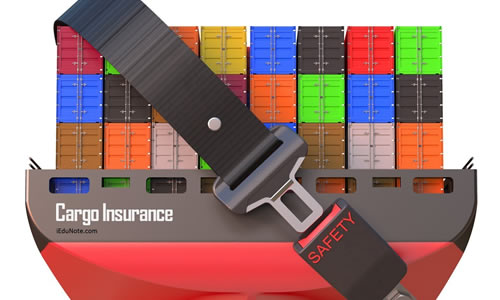
The cargo insurance protects your goods all the way to any Any FBA Warehouse

We handle all paperwork and other details for you.

Ensure safe packaging and loading of goods in your suppliers' factory.

We offer air, sea, and rail transportation. Air freight is the fastest (5-7 days), sea freight is cost-effective (25-35 days), and rail freight is a balanced option (15-20 days). For sea freight, goods are typically shipped to the port of Riga, Latvia’s largest port.
Shipping costs vary based on the method (air, sea, or rail), cargo type, and destination. For example, air freight is generally more expensive than sea freight. Contact us for a personalized quote tailored to your shipment.
You’ll need a commercial invoice, packing list, bill of lading, and customs declaration. Latvia may also require additional permits for specific goods, such as electronics or food products.
Yes, we offer door-to-door shipping, which includes pickup, transportation, customs clearance, and delivery to your address in Latvia.
Yes, electronics can be shipped to Latvia. Ensure they meet EU safety standards (CE marking) and provide proper documentation for customs clearance.
Temperature-sensitive goods require specialized transportation, such as refrigerated containers for sea freight or temperature-controlled air freight.
Air freight is faster (5-7 days) but more expensive, while sea freight is cost-effective and takes 25-35 days. The choice depends on your budget and urgency.
Yes, we can ship to Riga via air, sea, or rail. For sea freight, goods are transported to the port of Riga and then delivered to your location.
Ensure your cargo is properly packaged and documented. Work with a reliable freight forwarder to handle customs clearance and transportation.
We provide a tracking number for your shipment. You can monitor its status in real-time through our website or the carrier’s platform.
Operations deal with the way the vehicles are operated, and the procedures set for this purpose, and policies. In the transport industry, operat ions and ownership of infrastructure can be either country.