

Door to Door Shipping China to France: 2026 Logistics Guide
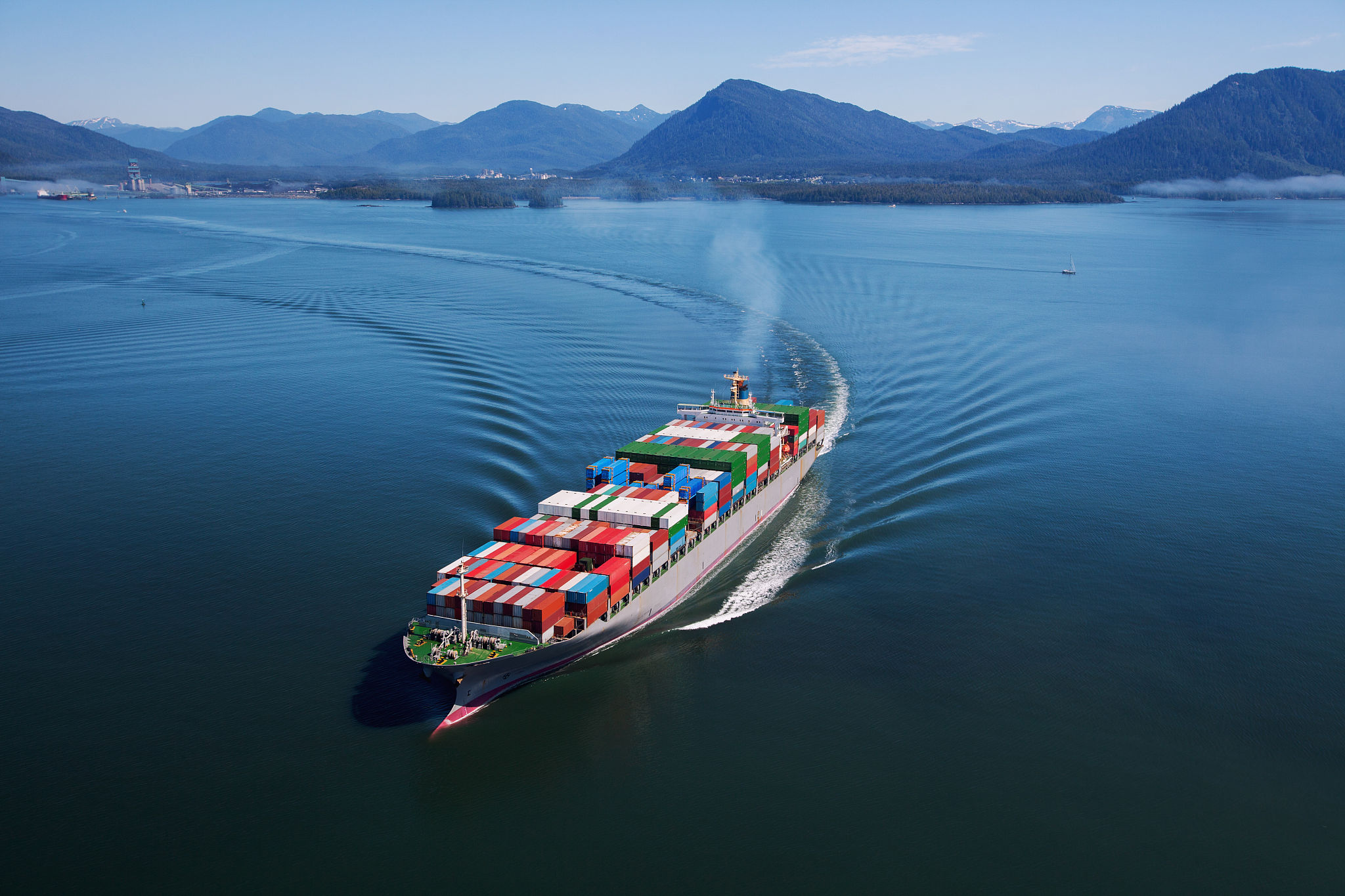
Managing international logistics requires precision, especially when handling door to door shipping china to France for your growing business. Global China Freight provides end-to-end solutions that eliminate the need for third-party intervention during the transport process. Consequently, importers can focus on their core sales operations while we handle every detail from the factory floor in China to the final destination in Paris, Lyon, or Marseille. Choosing a comprehensive service ensures that your supply chain remains resilient against global fluctuations.
What is Door to Door Shipping China to France?
Door to door shipping represents the most convenient logistics model where the forwarder manages the entire journey of the goods. Specifically, this service begins at the supplier’s warehouse in China and ends at the buyer’s specified address in France. This model incorporates pickup, international transit, and final mile delivery.
Moreover, utilizing door to door services simplifies the complex world of international trade for small and medium enterprises. Instead of coordinating with separate trucking companies and sea carriers, you work with a single point of contact. This integration significantly reduces the risk of communication errors and transit delays.
Furthermore, this method typically includes all necessary handling fees and documentation management. You do not have to worry about finding a local driver in France to collect your container from the Port of Le Havre. The logistics provider ensures a seamless transition between each stage of the journey.
Why Choose Door to Door Logistics for Your French Imports?
Efficiency stands as the primary reason why many French businesses prefer this comprehensive shipping model. By outsourcing the logistics chain, you save valuable time that your team can spend on marketing and product development. Additionally, the consolidated billing process makes accounting much simpler for your finance department.
Security is another major benefit when shipping high-value items across continents. Professional forwarders use vetted networks to ensure that cargo remains safe during transfers between ships, trains, and trucks. Consequently, the likelihood of loss or damage decreases when a single entity oversees the entire security protocol.
Visibility into the supply chain has become a standard requirement in 2026. Most door to door providers offer real-time tracking that allows you to monitor your shipment’s progress through every milestone. This transparency helps you manage customer expectations and inventory levels with greater accuracy.
Air Freight vs. Sea Freight vs. Rail Freight: Which is Best?
Selecting the right transport mode depends heavily on your budget and the urgency of the shipment. For instance, air freight offers the fastest transit times but comes at a significantly higher cost per kilogram. It remains the preferred choice for electronics, fashion samples, and perishable goods.
On the other hand, sea freight remains the backbone of global trade due to its incredible cost-efficiency for large volumes. Most industrial machinery and bulk consumer goods move via ocean containers to ports like Marseille or Fos-sur-Mer. While slower, it offers the lowest carbon footprint per ton of cargo.
Meanwhile, rail freight has emerged as a powerful middle-ground solution for the China-France route. It provides a faster alternative to sea shipping and a cheaper option than air transport. The Iron Silk Road connects major Chinese hubs directly to European rail terminals, offering reliable schedules.
| Method | Transit Time | Cost Level | Best For |
|---|---|---|---|
| Air Freight | 5-8 Days | High | Urgent/High-Value |
| Sea Freight | 30-45 Days | Low | Bulk/Large Volume |
| Rail Freight | 18-22 Days | Medium | Industrial Goods |
| Express | 3-5 Days | Premium | Small Parcels |
How Does Sea Freight Compare to Other Shipping Options?
Evaluating sea freight against alternatives requires looking at both direct costs and inventory carrying costs. While sea freight saves money on the invoice, the longer transit time means your capital is tied up in inventory for over a month. Therefore, businesses must balance the low freight rate against the need for faster stock turnover.
In contrast to rail freight, sea transport is less susceptible to geopolitical issues affecting land borders. However, it can face challenges such as port congestion or seasonal weather patterns in the Indian Ocean. Understanding these trade-offs is essential for maintaining a stable supply chain throughout the year.
Hybrid solutions like sea-air have also gained popularity in early 2026. This strategy involves shipping goods by sea to a hub like Dubai and then flying them to France. It offers a compromise that can save 15-20 days compared to pure sea freight while keeping costs manageable.
| Method | Cost (2026) | Transit Time | Limitations |
|---|---|---|---|
| Sea (FCL) | $3,000-4,200 | 35-45 Days | Slowest Speed |
| Sea (LCL) | $80-150/CBM | 40-50 Days | Handling Risks |
| Rail | $4,500-6,000 | 20-25 Days | Border Checks |
| Air | $4.50-7.00/kg | 5-9 Days | Weight Limits |
Understanding 2026 Shipping Costs and Market Trends
Market data suggests that freight rates from China to Europe have stabilized in Q1 2026 after the fluctuations of previous years. Currently, a 40HQ container from Shanghai to Le Havre typically ranges between $3,200 and $4,500 depending on the carrier. These rates reflect improved port efficiency and a more balanced global container supply.
Seasonal patterns still play a significant role in pricing for door to door shipping china to France. For example, rates typically increase by 15-25 percent during the peak season from August to October as retailers prepare for the holidays. Booking your shipments at least 3-4 weeks in advance can help you secure better rates during these busy periods.
Note: Freight rates are subject to change based on fuel costs, carrier capacity, and seasonal demand. Contact us for a current quote tailored to your specific shipment.
Navigating Customs and Import Duties in France
Customs clearance represents the most critical hurdle in the door to door process. France, as part of the European Union, enforces strict regulations regarding product safety and environmental standards. Utilizing a professional customs brokerage ensures that your documentation complies with the latest Union Customs Code (UCC) requirements.
Importers must pay Value Added Tax (VAT) and applicable customs duties before goods are released for final delivery. Specifically, the standard VAT rate in France is 20 percent, though some goods may qualify for reduced rates. Accurate classification of your goods using the correct HS Code is vital to avoid overpaying or facing penalties.
Preparation of the commercial invoice, packing list, and Bill of Lading must be flawless. Any discrepancy in the declared value or weight can lead to lengthy inspections by French customs officials. Consequently, having a logistics partner who double-checks your paperwork is an invaluable asset for your business.
Real-World Case Studies: China to France Shipping Success
Examining real-world examples helps clarify the actual costs and timelines involved in modern logistics. These cases reflect typical market conditions observed in early 2026. Each scenario demonstrates how different shipping methods solve specific business challenges for French importers.
Case Study 1: High-Value Electronics. Route: Shenzhen to Paris. Cargo: 500kg Premium Smart Home Devices. Shipping Method: Air Freight Door-to-Door. Ocean Freight: N/A. Air Freight: $3,250. Customs & Duties: $1,100. Total Landed Cost: $4,350. Timeline: 7 Days. Key Insight: Speed was prioritized to meet a product launch deadline, justifying the higher air freight expense.
Case Study 2: Home Furniture. Route: Ningbo to Marseille. Cargo: 25 CBM Furniture. Shipping Method: Sea Freight (FCL 20GP). Ocean Freight: $2,100. Origin Charges: $350. Destination Charges: $450. Customs & Duties: $800. Total Landed Cost: $3,700. Timeline: 42 Days. Key Insight: FCL shipping provided the lowest cost per unit for these bulky, non-urgent items.
Which Option Should You Choose? A Decision Framework
Deciding on the best shipping method requires a clear understanding of your business priorities. If your primary goal is budget optimization and you have flexible lead times, sea freight is the clear winner. This method allows you to maximize profit margins on goods with lower value-to-weight ratios.
Speed priority dictates a move toward air or express services. When stockouts occur or when launching time-sensitive products, the higher cost of air transport is often offset by the revenue generated from faster market entry. Many businesses maintain a small percentage of their inventory in air transit for emergencies.
Volume thresholds also influence the decision between LCL and FCL shipping. For shipments under 15 CBM, Less than Container Load (LCL) is generally more economical. However, once you exceed 15-18 CBM, booking a full 20-foot container (FCL) often becomes cheaper and safer due to reduced handling.
Mastering Your Imports from China to France
Successfully navigating door to door shipping china to France requires a blend of strategic planning and reliable partnerships. By understanding the differences between air, sea, and rail freight, you can tailor your logistics strategy to your specific business needs. Each method offers unique advantages that contribute to a healthy and resilient supply chain.
Ultimately, the goal is to find a balance between cost, speed, and reliability. As market conditions evolve through 2026, staying informed about freight trends and customs regulations will keep your business competitive. Partnering with a professional forwarder ensures that your goods move efficiently across the globe, allowing you to focus on growth in the French market.
Need a tailored shipping solution?
Streamline your supply chain today with our expert door to door shipping china to France. Our dedicated team at Global China Freight manages every detail to ensure your cargo arrives safely and on time. Contact us now to receive a personalized quote and discover how we can optimize your logistics costs for 2026.
Frequently Asked Questions
How long does door to door shipping from China to France take?
What are the main costs involved in door to door shipping?
Do I need a customs broker for importing into France?
Is rail freight a reliable option for China to France in 2026?
What documents are required for shipping to France?
How is the VAT calculated for French imports?
Can I ship small quantities door to door?