

2026 Guide: China Shipping Cost Per Kg Air Sea Freight Comparison
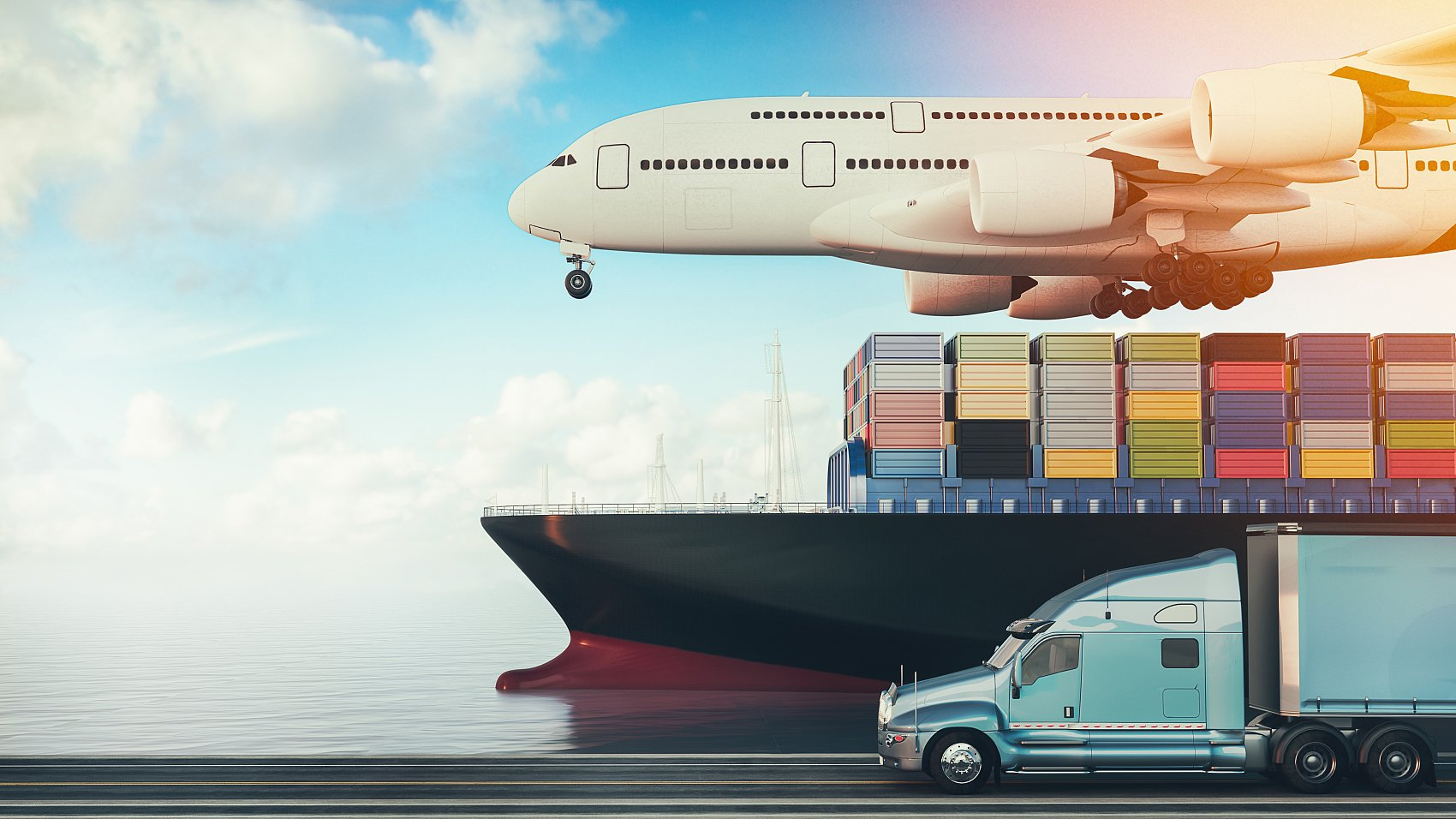
Navigating the complexities of international logistics requires a clear understanding of the china shipping cost per kg air sea freight comparison. Businesses must balance speed and budget to remain competitive in the global market. At Global China Freight, we provide the expertise needed to streamline your supply chain and reduce overhead costs effectively. Whether you are a small business or a large enterprise, choosing the right method is essential for your bottom line.
✦
Understanding the China Shipping Cost Per Kg Air Sea Freight Comparison
Determining the most economical shipping method involves more than just looking at the base rate per kilogram. Consequently, importers must evaluate the total landed cost, which includes insurance, port fees, and local delivery charges. In 2026, market fluctuations continue to influence how businesses approach their logistics strategy.
Moreover, the weight and volume of your cargo play a pivotal role in deciding between air and ocean transport. While air freight is often calculated by actual or volumetric weight, sea freight typically relies on container size or cubic meters. Therefore, understanding these calculation methods is the first step toward optimizing your shipping budget.
Specifically, air cargo is preferred for high-value or time-sensitive items that require rapid turnover. On the other hand, maritime transport remains the backbone of global trade for bulk commodities and large inventories. Indeed, the choice depends heavily on your specific business needs and delivery timelines.
How Does Sea Freight Compare to Other Shipping Options?
Choosing sea freight is generally the most cost-effective solution for shipments exceeding 500 kilograms. As of Q1 2026, ocean freight rates have stabilized, providing a reliable baseline for long-term planning. However, the longer transit times require meticulous inventory management to avoid stockouts.
Additionally, sea freight offers two primary modes: Full Container Load (FCL) and Less than Container Load (LCL). FCL is ideal for large volumes that fill a 20ft or 40ft container, offering better security and faster handling. Conversely, LCL allows multiple shippers to share space, making it affordable for smaller batches that do not justify a full container.
| Air Freight | $4.50 – $9.50 | 3-7 Days | High-value, urgent goods |
| Sea Freight (LCL) | $0.30 – $0.90 | 25-45 Days | Heavy, non-urgent cargo |
| Rail Freight | $1.20 – $2.80 | 15-22 Days | Mid-range volume to Europe |
| Express Service | $8.00 – $16.00 | 2-5 Days | Small parcels and samples |
What are the Current 2026 Air Freight Rates?
Utilizing air freight is the fastest way to move goods from China to international markets. Current market data suggests that rates per kilogram vary significantly based on fuel surcharges and seasonal demand. Furthermore, the 2026 peak season is expected to see a 20 percent increase in pricing during the late summer months.
Nevertheless, the speed of air transport can reduce the need for high safety stock levels, potentially lowering warehousing costs. For example, electronics and fashion items benefit from the quick transit times that air cargo provides. In contrast, heavy machinery is rarely shipped via air due to the prohibitive costs associated with weight.
Why Volume and Weight Matter in the China Shipping Cost Per Kg Air Sea Freight Comparison
Calculating the chargeable weight is a critical aspect of any china shipping cost per kg air sea freight comparison. Carriers use a formula to determine whether the actual weight or the volumetric weight is higher. Consequently, bulky but light items may cost more to ship than small, heavy items.
In addition, the 2026 industry standard for air freight volume ratio is 1:6000, while sea freight uses a different metric. Understanding these technicalities allows businesses to package their goods more efficiently. Therefore, optimizing your packaging can lead to substantial savings over hundreds of shipments.
Which Option Should You Choose? Budget vs Speed
Deciding on a shipping method requires a careful trade-off between cost and delivery speed. If your priority is minimizing expenses, sea freight is the clear winner for most scenarios. However, if you are facing a tight deadline, express service might be the only viable path despite the higher cost.
Furthermore, hybrid solutions like sea-air combinations are gaining popularity in 2026. These services involve shipping goods by sea to a hub like Dubai or Singapore and then flying them to the final destination. As a result, shippers can achieve a balance between the low cost of ocean freight and the speed of air transport.
Volume Thresholds for Switching Methods
Market data indicates that for shipments under 100kg, express or air freight is usually more practical. Once the weight exceeds 200kg, the price gap between air and sea becomes more pronounced. For shipments over 500kg, sea freight almost always offers the best value per kilogram.
Real-World Case Studies: 2026 Logistics Examples
Case Study 1: Electronics to North America. Route: Shenzhen to Los Angeles. Cargo: Smartphones, 5 CBM, 1200 kg. Method: Sea Freight (LCL). Ocean Freight: $2,100. Origin Charges: $350. Destination Charges: $400. Customs and Duties: $1,200. Total Landed Cost: $4,050. Transit: 24 days. Key Insight: Choosing LCL saved the client 60 percent compared to air freight.
Case Study 2: Industrial Parts to Europe. Route: Shanghai to Hamburg. Cargo: Precision Valves, 1 CBM, 300 kg. Method: Air Freight. Air Freight: $2,400. Origin Charges: $200. Destination Charges: $250. Customs and Duties: $500. Total Landed Cost: $3,350. Transit: 6 days. Key Insight: The urgency of the repair project justified the higher air freight cost.
Case Study 3: Furniture to Australia. Route: Ningbo to Sydney. Cargo: Home Furniture, 28 CBM, 20GP Container. Method: Sea Freight (FCL). Ocean Freight: $1,250. Origin Charges: $450. Destination Charges: $550. Customs and Duties: $800. Total Landed Cost: $3,050. Transit: 18 days. Key Insight: FCL provided the lowest cost per unit for this high-volume shipment.
The Role of Customs and Documentation in Total Costs
Managing customs brokerage is a vital component of the shipping process that many importers overlook. Incorrect documentation can lead to significant delays and additional storage fees at the port. Consequently, partnering with a knowledgeable broker ensures that your cargo clears customs smoothly and without unexpected penalties.
Moreover, different product categories attract varying duty rates and taxes. It is essential to verify the Harmonized System (HS) codes for your products before shipping. Indeed, a small error in classification can change your total china shipping cost per kg air sea freight comparison overnight.
How Does Air Freight Compare to Rail Freight?
Rail freight has emerged as a powerful alternative for shipments moving from China to Europe. While it is slower than air, it is significantly faster than sea freight. Additionally, rail transport offers a more environmentally friendly option for businesses looking to reduce their carbon footprint in 2026.
Specifically, the China-Europe Railway Express connects major Chinese hubs like Chengdu and Xi’an to European cities in about 18 to 22 days. This method is particularly useful for automotive parts and high-end consumer goods. Therefore, rail should be considered a middle-ground solution in your logistics planning.
| China to USA West | $1,600 – $2,300 | $2,900 – $3,900 | 15-20 Days |
| China to Europe | $1,900 – $2,600 | $3,200 – $4,500 | 30-38 Days |
| China to Australia | $900 – $1,300 | $1,500 – $2,200 | 14-20 Days |
| China to UK | $2,100 – $2,900 | $3,600 – $4,800 | 32-40 Days |
Cost-Saving Strategies for 2026 Logistics
Implementing door to door services can simplify your logistics and often lead to better consolidated rates. By allowing one provider to handle the entire journey, you reduce the risk of communication gaps and hidden fees. Furthermore, consolidating multiple small orders into a single shipment can drastically lower your cost per kilogram.
Another effective strategy is to book your shipments well in advance of peak seasons. Historically, rates rise sharply in the weeks leading up to the Lunar New Year and the Golden Week holiday. Therefore, planning your production schedule around these periods can save your business thousands of dollars annually.
Final Thoughts on Shipping from China
In summary, the china shipping cost per kg air sea freight comparison remains a dynamic factor in international trade. While sea freight offers unmatched economy for large volumes, air freight provides the speed necessary for high-stakes deliveries. By analyzing your cargo size, budget, and timeline, you can select the method that best aligns with your goals.
Ultimately, success in 2026 logistics depends on flexibility and informed decision-making. We recommend staying updated on market trends and working closely with a reliable freight forwarder. Note: Freight rates are subject to change based on fuel costs, carrier capacity, and seasonal demand. Contact us for a current quote tailored to your specific shipment.