


Import Shipping China to USA UK EU UAE Quotes: 2026 Guide
Finding reliable import shipping China to USA UK EU UAE quotes is essential for maintaining a profitable global supply chain in the current economic climate. Businesses must navigate fluctuating fuel surcharges and evolving trade regulations to secure the most cost-effective logistics solutions. Global China Freight offers comprehensive logistics management to help you streamline your international operations and reduce overhead costs.

Understanding Import Shipping China to USA UK EU UAE Quotes in 2026
Securing accurate import shipping China to USA UK EU UAE quotes requires a deep understanding of current market dynamics and carrier capacities. Furthermore, the logistics landscape in 2026 has been shaped by technological advancements that allow for more precise real-time tracking and pricing. Shippers must look beyond the base rate to identify hidden fees that could impact the total landed cost of their goods.
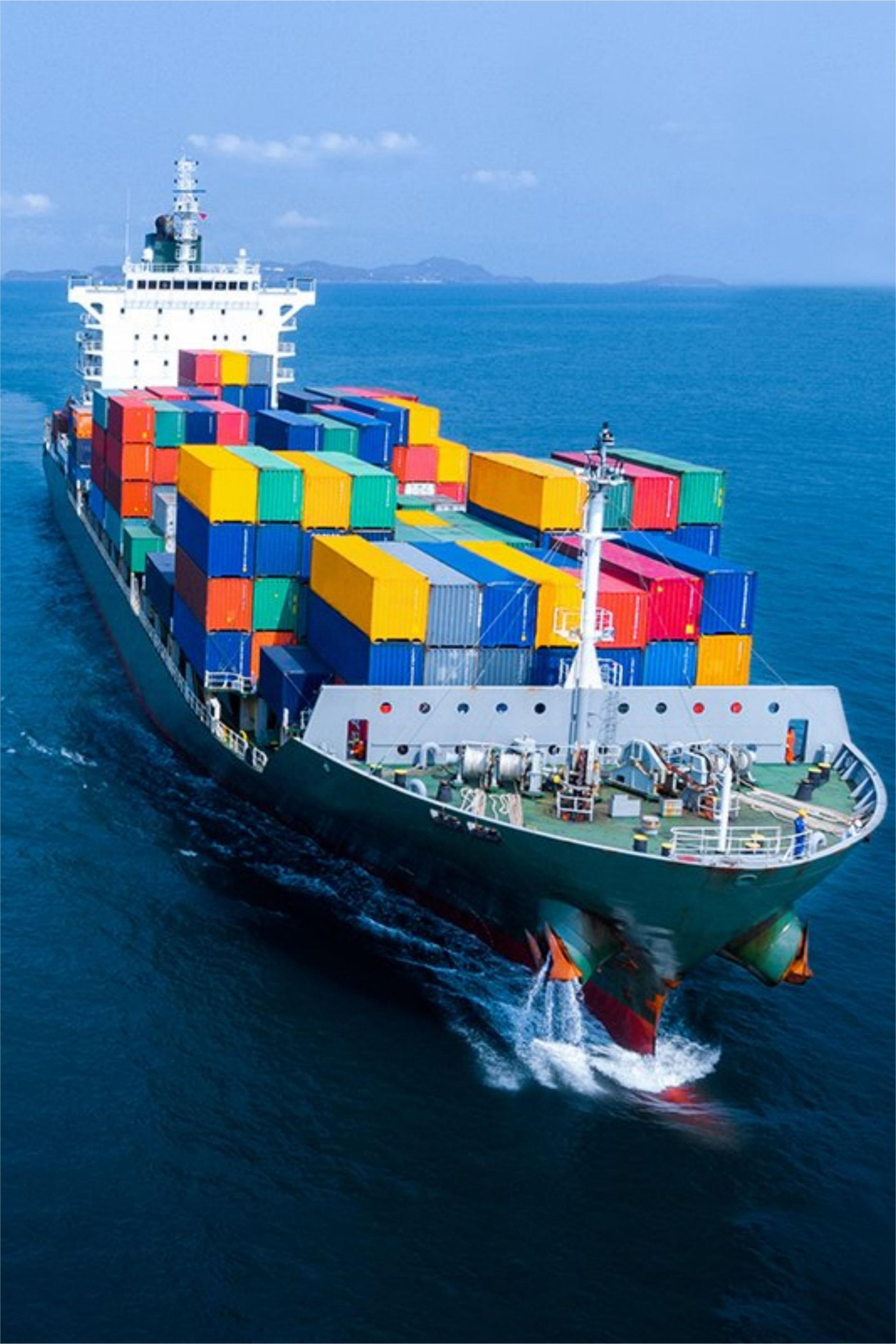
Additionally, market data suggests that freight rates have stabilized in early 2026 following the disruptions seen in previous years. However, seasonal demand spikes during the third quarter still necessitate early booking to guarantee space on major vessels. Consequently, businesses that plan their inventory cycles at least three months in advance tend to secure more favorable rates from freight forwarders.
Key Factors Influencing Your International Shipping Costs
Several variables determine the final price you see on your logistics proposals, including fuel price adjustments and port handling charges. Specifically, the weight and volume of your cargo play a primary role in whether you should choose sea freight or other faster alternatives. Indeed, understanding the volumetric weight calculation is crucial for those shipping lightweight but bulky items via air.
Moreover, the choice between different service levels like port-to-port or door to door shipping will significantly alter your final invoice. Meanwhile, customs duties and local taxes in the destination country must be factored into your budget to avoid unexpected financial strain. Therefore, requesting a comprehensive breakdown of all surcharges is the best way to ensure transparency in your shipping quotes.
How Does Sea Freight Compare to Other Shipping Options?
While sea freight remains the most popular choice for high-volume shipments, it is important to analyze it against faster or more flexible alternatives. For instance, air freight provides unparalleled speed for urgent orders but comes at a significantly higher price point. On the other hand, rail freight offers a middle ground for shipments heading to Europe, balancing cost and transit time effectively.
Choosing the right method depends on your specific margin requirements and the urgency of your inventory needs. Indeed, many modern enterprises are adopting hybrid logistics strategies to optimize their spend. For example, a company might use sea freight for 80 percent of its stock while relying on express services for last-minute replenishment.
| Shipping Method | Cost Range | Transit Time | Best For |
|---|---|---|---|
| Sea Freight (FCL) | $2,000 – $5,500 | 25 – 45 Days | Large bulk orders |
| Air Freight | $5.00 – $9.00/kg | 3 – 7 Days | High-value goods |
| Rail Freight | $1.50 – $3.00/kg | 15 – 22 Days | EU-bound shipments |
| Express Service | $8.00 – $15.00/kg | 2 – 5 Days | Samples and urgent |
Shipping to the USA: Transit Times and Port Logistics
Navigating the logistics of North America involves choosing between West Coast and East Coast ports based on your final destination. Typically, shipping to Los Angeles or Long Beach is faster, taking approximately 14 to 18 days from major Chinese ports. In contrast, East Coast ports like New York or Savannah require 30 to 35 days due to the longer journey through the Panama Canal.
Furthermore, many e-commerce sellers utilize Amazon FBA services to streamline their distribution within the United States. This approach allows for faster delivery to customers but requires strict adherence to Amazon’s labeling and packaging standards. Consequently, working with a freight forwarder who understands these requirements is essential for avoiding costly warehouse rejections.
Navigating European Markets: UK and EU Shipping Strategies
Shipping to the United Kingdom and the European Union has become more complex due to varying customs regulations and tax structures. Shippers must ensure they have a valid EORI number and accurate documentation to facilitate smooth customs brokerage processes at the border. Additionally, the transit time to major European hubs like Rotterdam or Hamburg usually ranges between 30 and 40 days for ocean shipments.
Moreover, the rail freight option via the Silk Road remains a viable alternative for businesses looking to reduce their carbon footprint while maintaining decent transit speeds. Although sea freight is cheaper, rail offers a significant time advantage for inland destinations in Central Europe. Indeed, the choice of port or terminal can influence the final delivery time by several days depending on local congestion levels.
Logistics Excellence in the Middle East: Shipping to the UAE
The United Arab Emirates serves as a major logistics hub for the Middle East, with Jebel Ali Port being a primary gateway for Chinese goods. Most import shipping China to USA UK EU UAE quotes for the Dubai region reflect the high efficiency of local port operations. Consequently, transit times from Shenzhen or Shanghai to Dubai are relatively short, often averaging around 15 to 20 days.
Furthermore, the UAE’s free zones offer significant advantages for businesses looking to re-export goods to neighboring countries. Nevertheless, shippers must be mindful of specific documentation requirements, such as legalized invoices and certificates of origin. Accordingly, partnering with an experienced logistics provider ensures that all regulatory hurdles are cleared before the cargo arrives at the destination.
Which Option Should You Choose? Decision Framework
Selecting the optimal shipping method requires a balanced evaluation of your budget, timeline, and cargo characteristics. If your primary goal is cost reduction and you have a flexible schedule, sea freight is undoubtedly the most economical choice. However, if you are launching a new product and need it in stock immediately, air freight is the necessary investment.
Additionally, consider the volume of your shipment when deciding between FCL and LCL options. For shipments larger than 15 cubic meters, a full container is usually more cost-effective and provides better security for your goods. Conversely, smaller shipments benefit from consolidation services, which allow you to share container space and costs with other importers.
| Priority | Recommended Method | Key Benefit | Trade-off |
|---|---|---|---|
| Lowest Cost | Sea Freight (LCL/FCL) | Maximum savings | Longest wait time |
| Fastest Delivery | Air Freight / Express | Rapid market entry | Higher expense |
| Balanced Speed | Rail Freight (EU) | Faster than sea | Limited to land routes |
| Convenience | Door-to-Door | Minimal effort | Higher service fee |
Real-World Case Studies for 2026
Case Study 1: Electronics Distribution to USA. Route: Shenzhen to Los Angeles. Cargo: Consumer Electronics, 68 CBM, 12,000 kg. Container: 40HQ. Carrier: Major carrier. Port of Loading: Shenzhen. Port of Discharge: Los Angeles. Route Type: Direct. Ocean Freight: $3,400. Origin Charges: $450. Destination Charges: $600. Customs and Duties: $2,200. Total Landed Cost: $6,650. Timeline: Booking to Loading 4 days, Sea Transit 16 days, Customs 3 days, Total Door-to-Door 25 days. Key Insight: Early booking during the Q1 2026 lull saved the client 15 percent compared to peak rates.
Case Study 2: Furniture Import to UK. Route: Ningbo to Felixstowe. Cargo: Office Furniture, 12 CBM, 3,500 kg. Container: LCL 12 CBM. Carrier: Major carrier. Port of Loading: Ningbo. Port of Discharge: Felixstowe. Route Type: Transshipment via Singapore. Ocean Freight: $1,100. Origin Charges: $300. Destination Charges: $550. Customs and Duties: $1,200. Total Landed Cost: $3,150. Timeline: Booking to Loading 6 days, Sea Transit 35 days, Customs 5 days, Total Door-to-Door 48 days. Key Insight: Utilizing LCL allowed the client to maintain inventory levels without the cost of a full container.
Case Study 3: Textile Export to UAE. Route: Shanghai to Jebel Ali. Cargo: Cotton Fabrics, 28 CBM, 8,000 kg. Container: 20GP. Carrier: Major carrier. Port of Loading: Shanghai. Port of Discharge: Jebel Ali. Route Type: Direct. Ocean Freight: $1,450. Origin Charges: $350. Destination Charges: $400. Customs and Duties: $900. Total Landed Cost: $3,100. Timeline: Booking to Loading 3 days, Sea Transit 18 days, Customs 2 days, Total Door-to-Door 26 days. Key Insight: Direct routing minimized handling risks for sensitive textile rolls.

Final Thoughts on International Shipping Quotes
Navigating the complexities of global logistics requires a strategic approach to selecting carriers and routes. By understanding the nuances of import shipping China to USA UK EU UAE quotes, businesses can better predict their expenses and avoid common pitfalls. Furthermore, staying informed about market trends in 2026 ensures that you remain competitive in an ever-changing international trade environment.
Ultimately, the success of your shipping strategy depends on the reliability of your freight forwarding partner and the accuracy of your documentation. Whether you choose sea, air, or rail, prioritizing transparency and communication will lead to more efficient operations. Start your journey toward seamless logistics by requesting a comprehensive quote that covers every stage of the transit process.

Start Your Shipment
Ready to optimize your supply chain with competitive import shipping China to USA UK EU UAE quotes? Contact the experts at Global China Freight today for a personalized consultation and a transparent pricing breakdown tailored to your business needs. Send Inquiry
Request Quote