


Freight Forwarding China Customs Clearance Warehouse Solutions 2026
“Managing international logistics requires a precise balance of speed, cost, and regulatory compliance in the modern global market. Navigating the complexities of a freight forwarding china customs clearance warehouse system is essential for businesses looking to scale their imports from Asian manufacturing hubs. Global China Freight provides comprehensive solutions that integrate transportation, legal processing, and secure storage to ensure your cargo moves efficiently across borders. Whether you are a small e-commerce seller or a large industrial importer, understanding these logistics pillars will significantly reduce your operational risks and overhead costs.”
What is a Freight Forwarding China Customs Clearance Warehouse Service?
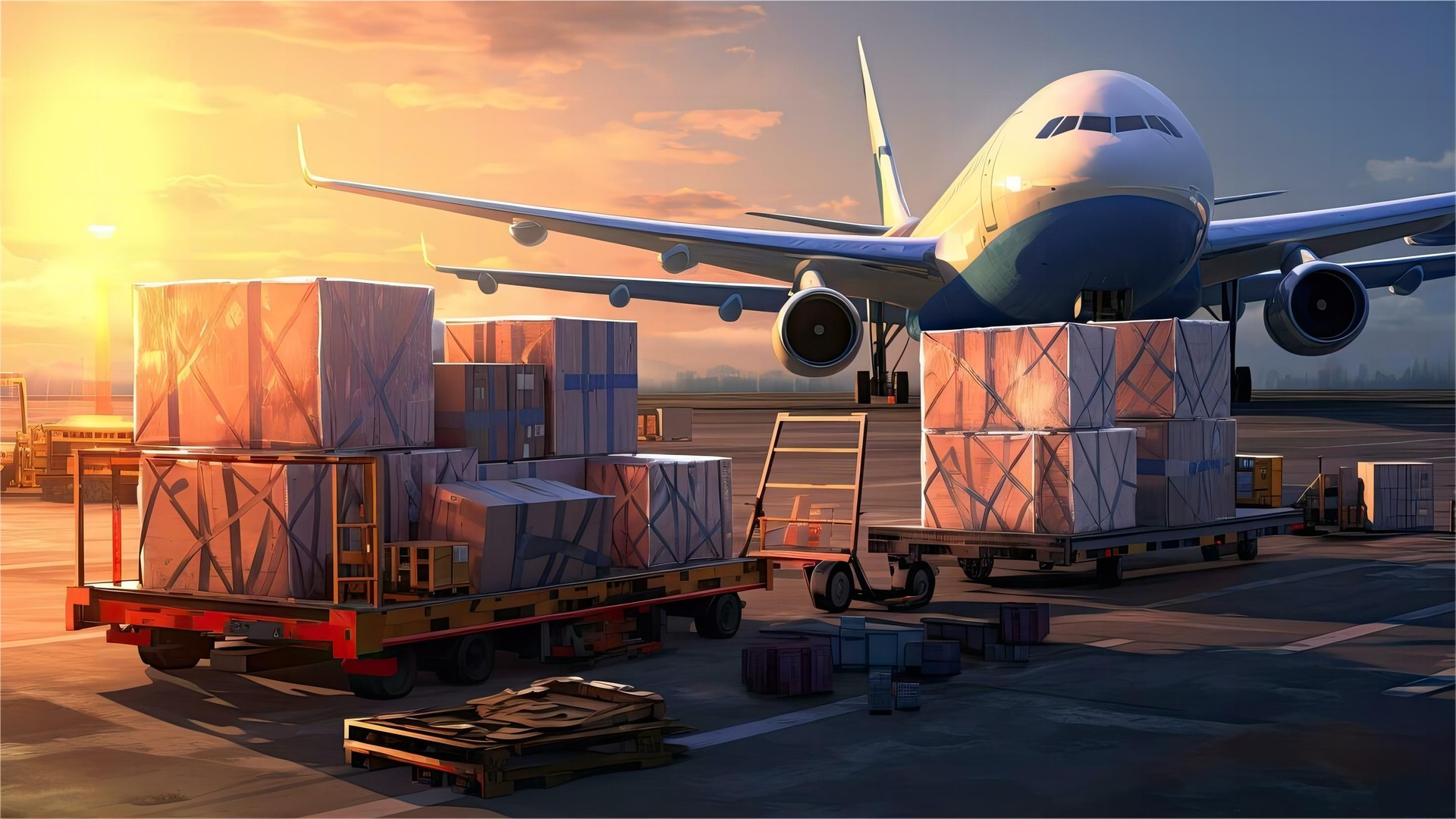
❖Modern logistics providers offer an integrated suite of services that combine transportation management with specialized legal and storage capabilities. Specifically, a freight forwarding china customs clearance warehouse solution acts as a centralized hub for managing the entire export lifecycle from origin to destination. These facilities are strategically located near major ports like Shanghai, Ningbo, and Shenzhen to minimize domestic transit times.
Furthermore, these warehouses serve as more than just storage spaces; they are active processing centers for cargo inspection and consolidation. Consequently, businesses can merge products from multiple suppliers into a single shipment, which significantly lowers the total landed cost per unit. This consolidation is particularly beneficial for companies utilizing LCL services to optimize their shipping budgets.
Moreover, the integration of customs brokerage within the warehouse environment allows for pre-clearance preparation and rapid documentation review. Experienced agents handle the filing of export declarations and ensure that all commodity codes align with current Chinese trade regulations. Therefore, the risk of shipment seizures or lengthy port delays is drastically reduced for international buyers.
How Does China Customs Clearance Work in 2026?
❖Customs procedures in 2026 have become increasingly digitized, utilizing advanced AI and blockchain technology to verify shipping manifests and product origins. Initially, the process begins with the submission of the Electronic Export Declaration through the Single Window system used by Chinese authorities. This digital approach allows for faster vetting and reduces the need for physical paperwork in many standard categories.
Additionally, the implementation of the Authorized Economic Operator (AEO) program continues to provide significant advantages for compliant shippers. Companies that maintain high transparency standards enjoy lower inspection rates and priority processing at major exit points. Meanwhile, specialized goods such as electronics and chemical products still require rigorous certification and testing to meet safety standards.
Indeed, working with a professional partner ensures that your documentation remains accurate and up to date with the latest 2026 trade policies. Misclassification of goods remains a primary cause of delays, so expert oversight is vital for maintaining a predictable delivery schedule. Ultimately, the goal is to move cargo through the port of loading with minimal friction and maximum speed.
The Strategic Importance of Warehousing in China Logistics
❖Warehousing plays a pivotal role in the supply chain by providing a buffer between production and international transit. Efficient storage solutions allow importers to manage inventory levels more effectively, especially during periods of high demand or manufacturing fluctuations. Notably, bonded warehouses offer a unique advantage by allowing goods to be stored without immediate payment of duties or taxes.
In addition, these facilities provide value-added services such as labeling, repacking, and quality control inspections before the goods leave the country. For instance, Amazon FBA sellers often use China-based warehouses to ensure their products meet strict platform requirements before arriving at destination fulfillment centers. Such proactive measures prevent costly returns and maintain high customer satisfaction levels.
Consequently, the choice of warehouse location can impact your overall transit time and domestic trucking expenses. Facilities situated within Free Trade Zones (FTZ) provide enhanced flexibility for re-exporting goods and managing complex transshipment routes. By leveraging these strategic locations, businesses can create a more resilient and responsive global distribution network.
How Does Sea Freight Compare to Other Shipping Options?
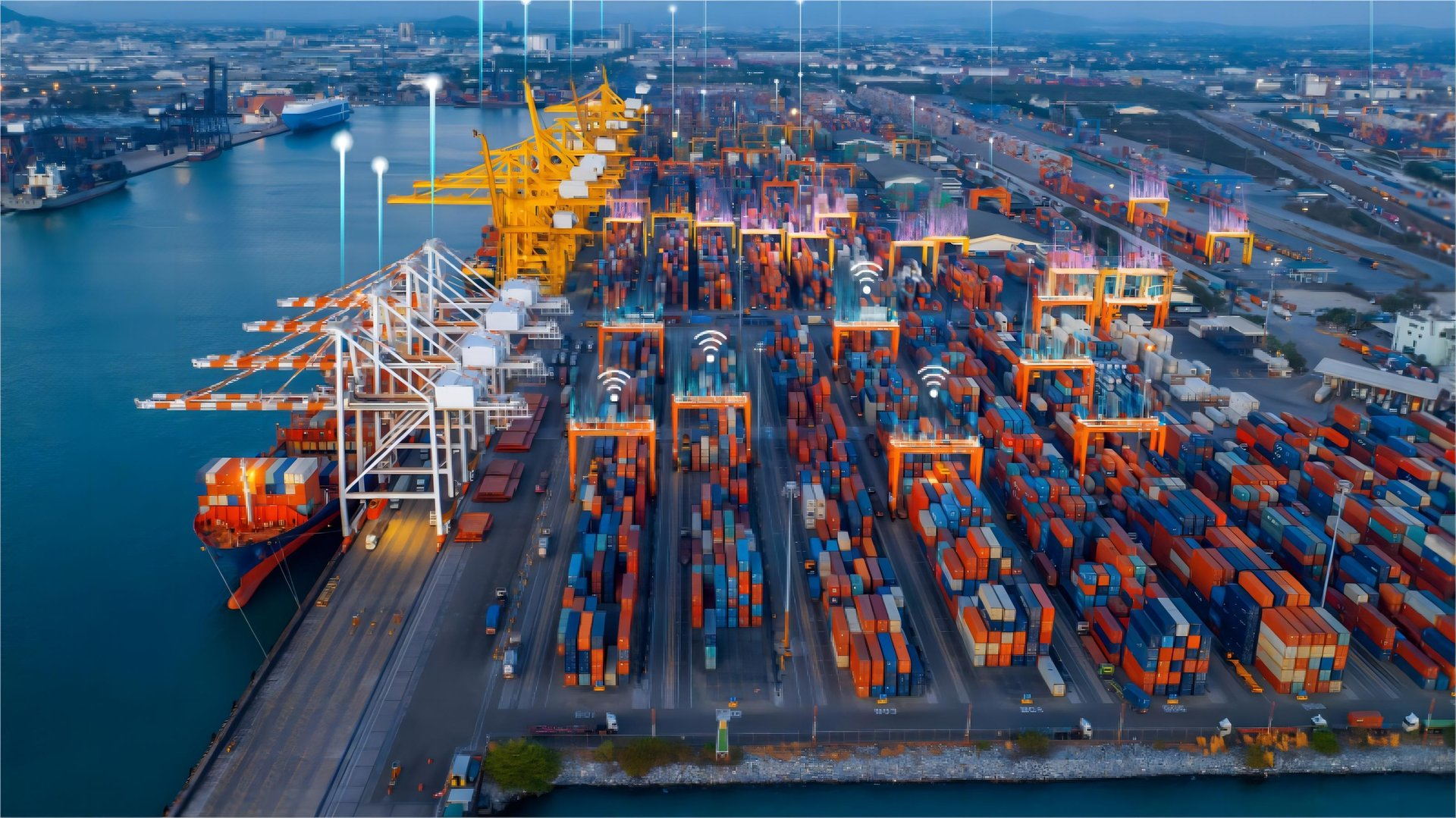
❖Ocean transport remains the backbone of global trade due to its massive capacity and cost-effectiveness for heavy or bulky items. While sea freight typically takes longer than air transport, it offers the lowest carbon footprint per ton-mile. As of Q1 2026, freight rates have stabilized, making it an attractive option for long-term inventory planning.
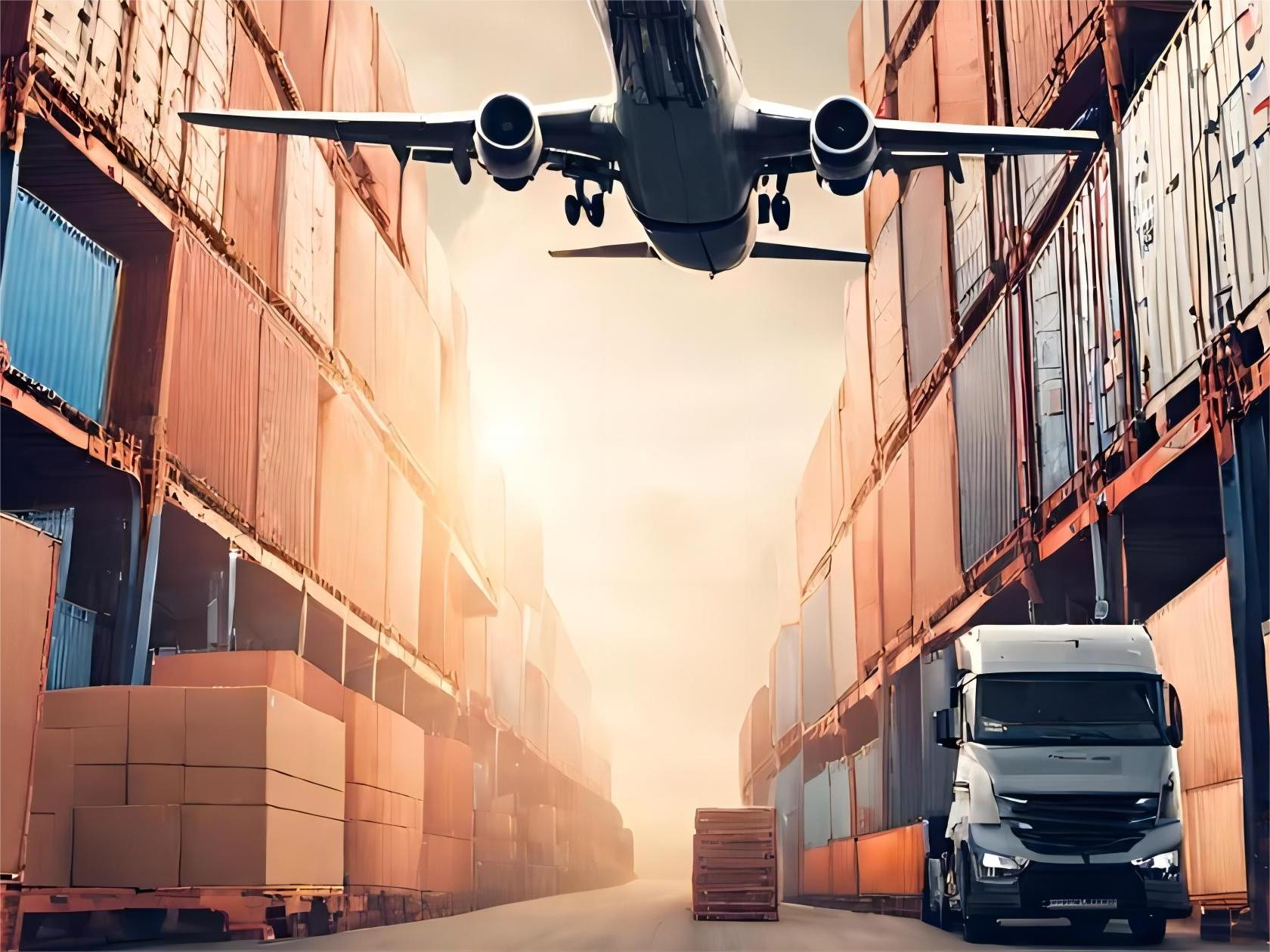
On the other hand, air transport is the preferred choice for high-value or time-sensitive cargo that requires immediate delivery. Although it is more expensive, the speed of air cargo helps businesses react quickly to market trends and urgent stock shortages. Meanwhile, rail transport has emerged as a middle-ground solution, particularly for routes connecting China to Central Asia and Europe.
To summarize, each shipping method presents specific trade-offs regarding budget, speed, and cargo type. Choosing the right option depends on your specific business goals and the nature of the products being moved. Below is a detailed comparison of the primary shipping methods available in 2026.
| Shipping Method | Cost Range | Transit Time | Best For | Limitations |
|---|---|---|---|---|
| Sea Freight | $1,500 – $4,500 per FEU | 18 – 40 Days | Bulk goods and heavy machinery | Longer transit times |
| Air Freight | $4.50 – $9.00 per kg | 3 – 7 Days | Electronics and perishables | High cost for heavy items |
| Rail Freight | $2,500 – $6,000 per FEU | 15 – 22 Days | Mid-value industrial parts | Limited to land routes |
| Express Service | $8.00 – $15.00 per kg | 2 – 5 Days | Samples and small parcels | Strict weight limits |
Choosing Between FCL and LCL for China Exports
❖Full Container Load (FCL) shipping involves renting an entire 20-foot or 40-foot container for your exclusive use. This method is generally faster and more secure because the container is sealed at the factory and remains closed until it reaches the destination. For shipments exceeding 15 cubic meters, FCL usually provides a better value per unit than other options.
Conversely, Less than Container Load (LCL) allows multiple shippers to share space within a single container. This is an ideal solution for smaller businesses that do not have enough volume to fill a whole unit. However, LCL requires additional handling at the warehouse for consolidation and deconsolidation, which can add a few days to the total transit time.
Many importers prefer door to door services to simplify the transition between different transport modes. This comprehensive approach ensures that the freight forwarder manages everything from the initial pickup at the factory to the final delivery at the customer’s warehouse. By choosing the right container strategy, you can maximize your shipping efficiency and minimize unnecessary handling fees.
Transit Times and Cost Benchmarks for 2026
❖Market data suggests that shipping rates in 2026 are influenced by fuel costs, carrier capacity, and seasonal demand cycles. Typically, the peak season from August to October sees a price increase of 15% to 25% due to holiday inventory preparation. Understanding these cycles allows businesses to book their shipments in advance and lock in more favorable rates.
For instance, direct routes from Shanghai to Los Angeles are significantly faster than transshipment routes via Southeast Asian ports. While direct shipping costs approximately 10% more, it saves nearly a week of transit time. Below are the typical rates and timelines for major global routes as of early 2026.
| Route | 20GP Rate | 40HQ Rate | Transit Time |
|---|---|---|---|
| China to USA West Coast | $1,600 – $2,300 | $2,900 – $3,900 | 14 – 18 Days |
| China to USA East Coast | $2,600 – $3,600 | $4,600 – $6,100 | 30 – 35 Days |
| China to Europe (Main Ports) | $1,900 – $2,600 | $3,100 – $4,300 | 28 – 35 Days |
| China to Australia | $850 – $1,250 | $1,450 – $2,100 | 12 – 18 Days |
Key Documentation for Smooth Customs Clearance
❖Accurate documentation is the foundation of a successful freight forwarding china customs clearance warehouse operation. The Commercial Invoice and Packing List must provide detailed descriptions of the goods, including their value, weight, and HS codes. Any discrepancies in these documents can lead to immediate audits and potential fines from customs authorities.
Furthermore, the Bill of Lading (BOL) serves as the contract of carriage and the title to the goods. It is essential to ensure that the information on the BOL matches the export declaration exactly. Utilizing a professional customs brokerage service can help you navigate these requirements and ensure all filings are completed correctly.
In addition to standard documents, certain products may require specialized certificates like the Certificate of Origin or safety data sheets (MSDS). Having these prepared in advance within the warehouse system prevents last-minute delays at the port. The following table outlines the essential documents required for most China-based export shipments.
| Document Name | Purpose | Required For |
|---|---|---|
| Commercial Invoice | Details value and transaction | All Shipments |
| Packing List | Specifies contents and weight | All Shipments |
| Bill of Lading | Contract of carriage | All Shipments |
| HS Code Declaration | Classifies goods for tax | All Shipments |
| Form E / CO | Proves origin for duty perks | Specific Trade Deals |
Realistic Case Studies from 2025 and 2026
❖Case Study 1: Electronics Distribution to Los Angeles. A tech company required the transport of 25 CBM of consumer electronics from Shenzhen to California. They utilized an LCL sea freight service combined with bonded warehousing for final quality checks. The total landed cost was $4,850, with a door-to-door transit time of 22 days, including 3 days for customs clearance.
Case Study 2: Industrial Parts to Hamburg via Rail. A manufacturer in Ningbo needed to move 15 tons of machine components to Germany. By choosing rail freight, they achieved a transit time of 19 days, which was 12 days faster than sea freight. The total cost was $5,200, representing a significant saving compared to the $12,000 quote for air transport.
Case Study 3: Urgent Fashion Shipment to London. A retail brand used air freight to move 500kg of seasonal apparel from Shanghai to Heathrow. The shipment was processed through a specialized warehouse for rapid labeling and cleared customs in under 24 hours. The total transit time was 4 days, ensuring the stock reached shelves in time for a major sales event.
Which Option Should You Choose? Decision Framework
❖Selecting the right logistics strategy depends on your specific priorities regarding budget, speed, and reliability. If your primary goal is cost reduction and you have flexible timelines, sea freight is the clear winner for large volumes. However, if you are handling perishable goods or high-value electronics, the speed and security of air cargo justify the higher expense.
Additionally, consider the volume of your cargo when deciding between FCL and LCL. For shipments under 15 CBM, LCL is usually more economical, but FCL offers better protection for fragile items. Hybrid solutions, such as sea-air combinations, can also be used to balance cost and speed for shipments that are not quite urgent enough for pure air transport.
Ultimately, the complexity of your supply chain will dictate the level of service you need. A comprehensive freight forwarding china customs clearance warehouse partner can provide the visibility and control required to manage these variables effectively. Always request a current quote to account for the latest market fluctuations and carrier availability.
Cost-Saving Strategies for China Freight Forwarding
❖Optimizing your packaging is one of the most effective ways to reduce shipping costs by minimizing dead space in the container. Furthermore, consolidating shipments from multiple suppliers into one warehouse can eliminate redundant documentation fees and domestic trucking charges. This approach also allows for better negotiation power with carriers due to higher total volumes.
Another strategy involves choosing the right Incoterms, such as FOB (Free on Board), which gives the buyer more control over the freight costs and routing. In contrast, EXW (Ex Works) requires the buyer to manage the entire process from the factory door, which can be more complex but offers maximum transparency. Using a local warehouse to hold stock during off-peak periods can also help you avoid the high rates of the busy season.
Finally, always ensure that your customs documentation is flawless to avoid expensive storage fees and penalties at the port. Even a small error in an HS code can lead to days of delays and hundreds of dollars in extra costs. By partnering with an experienced logistics provider, you can implement these strategies and maintain a competitive edge in the global market.
Mastering Your China Logistics Strategy
Successfully navigating the world of international trade requires a robust freight forwarding china customs clearance warehouse partner. By integrating strategic warehousing with efficient customs processing and varied transport modes, you can significantly enhance your supply chain resilience. Whether you prioritize the cost-effectiveness of sea freight or the speed of air cargo, the right infrastructure is essential for growth.
As we move through 2026, the importance of digital compliance and strategic inventory management will only continue to increase. Businesses that leverage professional logistics expertise will be better positioned to handle market volatility and regulatory changes. Start optimizing your cargo movements today to ensure your products reach their destination safely, on time, and within budget.
Ready to streamline your logistics?
Streamline your global supply chain today with our expert freight forwarding china customs clearance warehouse services. Contact Global China Freight to receive a customized quote tailored to your specific shipping needs. Send Inquiry: https://globalchinafreight.com/
Request Quote