


Import Export Logistics Company China Services: 2026 Global Guide
Navigating the complexities of international trade requires a strategic partnership with a reliable logistics provider to ensure seamless operations. Selecting a professional import export logistics company china services provider allows businesses to overcome common hurdles such as port congestion and shifting regulatory requirements. Consequently, this comprehensive guide explores how modern logistics solutions can streamline your global supply chain while reducing overall operational costs in 2026.
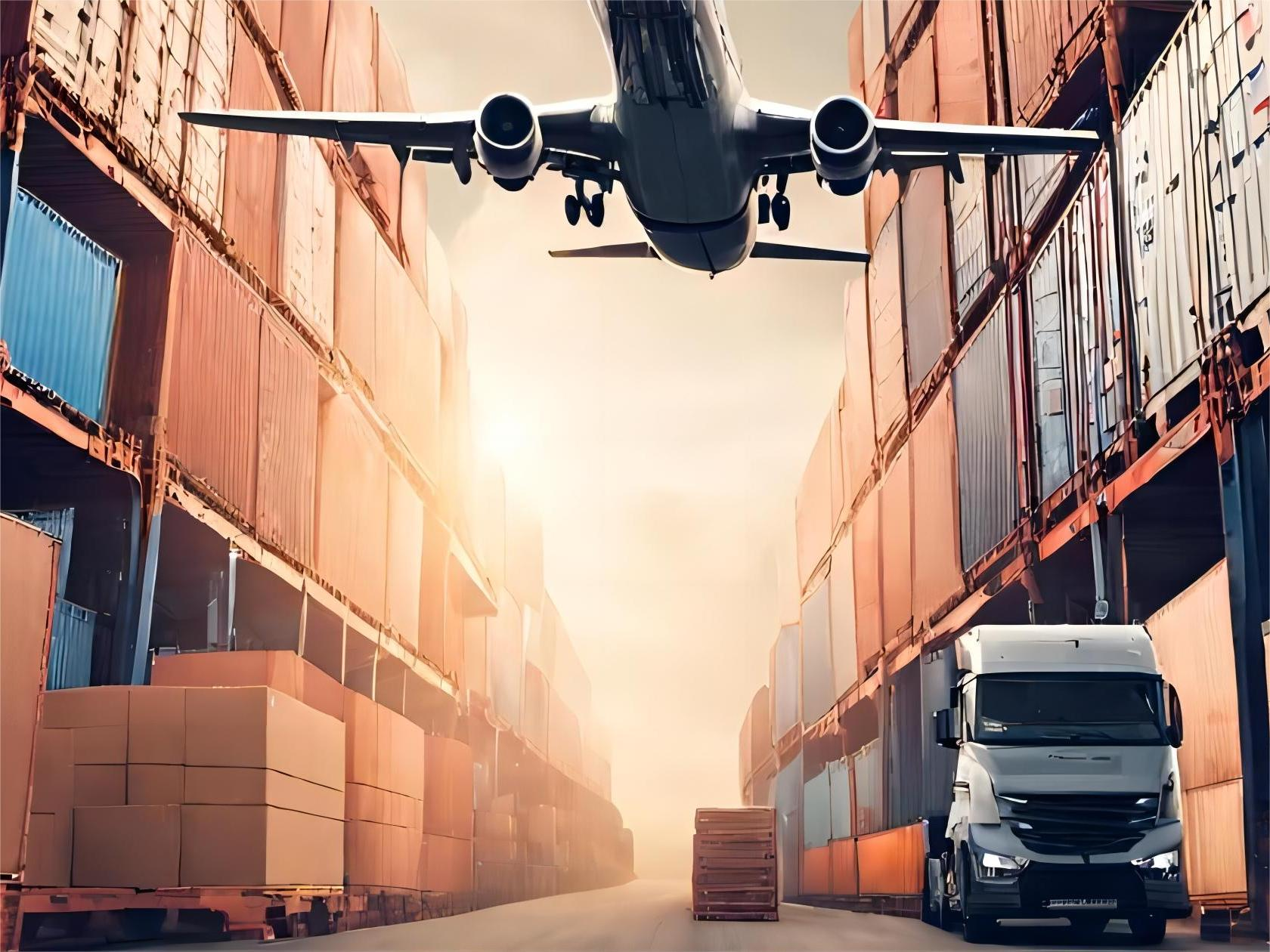
What to Expect from Import Export Logistics Company China Services in 2026
Modern trade environments demand higher levels of transparency and speed than ever before seen in the industry. Furthermore, the integration of advanced tracking technology has transformed how businesses monitor their cargo across the globe. Therefore, choosing a logistics partner that utilizes real-time data is essential for maintaining a competitive edge in today’s market.
Additionally, the role of an import export logistics company china services provider has expanded to include comprehensive supply chain consulting. They no longer just move boxes; they optimize the entire flow of goods from the factory floor to the final customer destination. As a result, companies can focus on product development while experts handle the intricate details of international movement.
Specifically, the 2026 market focuses on sustainability and digital integration to meet new environmental standards. Many providers now offer carbon-neutral shipping options to help clients reach their corporate social responsibility goals. Consequently, your choice of logistics partner directly impacts both your bottom line and your brand reputation in a conscious marketplace.
Navigating 2026 Market Trends and Freight Rates
Market data suggests that freight rates from China have stabilized after the significant disruptions observed in previous years. For instance, according to industry benchmarks, the current cost of shipping a 40HQ container to Europe ranges between 3,000 and 4,200 dollars as of early 2026. Nevertheless, seasonal fluctuations still occur during the peak months of August through October.
Moreover, the industry has seen a shift toward more resilient supply chain models that prioritize reliability over the lowest possible cost. Companies are increasingly diversifying their shipping routes to avoid potential bottlenecks at major transshipment hubs. Accordingly, having a partner with multiple carrier contracts provides the flexibility needed to pivot when logistics challenges arise.
Indeed, the adoption of smart containers and blockchain technology has significantly reduced the time spent on manual documentation. This digital shift ensures that trade compliance China requirements are met with higher precision and fewer human errors. Meanwhile, freight rates 2026 trends indicate a move toward more predictable long-term contracting for high-volume shippers.
| Destination | 20GP Container | 40HQ Container | Transit Time |
|---|---|---|---|
| USA West Coast | $1,500 – $2,200 | $2,800 – $3,800 | 14 – 18 Days |
| Europe Main Ports | $1,800 – $2,500 | $3,000 – $4,200 | 28 – 35 Days |
| Australia | $800 – $1,200 | $1,400 – $2,000 | 12 – 18 Days |
| United Kingdom | $2,000 – $2,800 | $3,500 – $4,500 | 30 – 38 Days |
How Does Sea Freight Compare to Other Shipping Options?
When evaluating transportation methods, sea freight remains the most cost-effective solution for large-scale shipments. However, it requires careful planning due to longer transit times compared to air or express alternatives. Consequently, businesses must balance their inventory needs against the significant savings offered by ocean transport.
In contrast, air freight provides unparalleled speed for high-value or time-sensitive commodities. While the costs are substantially higher, the reduction in inventory holding costs can sometimes justify the investment. Therefore, a hybrid approach often yields the best results for complex supply chains with varying product demands.
Rail freight has also emerged as a viable middle ground for shipments moving between China and Europe. It offers faster delivery than sea freight at a fraction of the cost of air transport. As a result, many importers utilize rail to bridge the gap during periods of high demand or ocean carrier delays.
Note: Freight rates are subject to change based on fuel costs, carrier capacity, and seasonal demand. Contact us for a current quote tailored to your specific shipment.
| Method | Cost Level | Speed | Best For |
|---|---|---|---|
| Sea Freight | Low | 14 – 45 Days | Bulk / Non-urgent |
| Air Freight | High | 3 – 7 Days | High-value / Urgent |
| Rail Freight | Medium | 18 – 25 Days | China to Europe |
| Express | Very High | 2 – 5 Days | Samples / Small Parcels |

Optimizing Delivery with Air Freight and Express Services
For businesses requiring rapid replenishment, air freight is the primary choice for maintaining stock levels. Modern logistics providers have established dedicated air corridors to ensure consistent space allocation even during peak seasons. Furthermore, the use of specialized cargo handling techniques minimizes the risk of damage for delicate electronics or perishables.
Similarly, express services offer a streamlined solution for small parcels and urgent document delivery. These services provide door-to-door convenience with integrated customs clearance, making them ideal for e-commerce entrepreneurs. Consequently, the simplicity of express shipping allows smaller businesses to compete on a global scale without complex logistics departments.
Moreover, air freight rates from China 2026 have become more competitive as cargo capacity on passenger flights has fully returned to pre-disruption levels. This increased capacity has led to more stable pricing structures for long-term partners. Thus, strategic planning with your logistics provider can secure better rates for consistent weekly volumes.
Mastering Customs Brokerage and Trade Compliance
Navigating the legal requirements of international trade is often the most challenging aspect of global logistics. Utilizing a professional customs brokerage service ensures that all China export documentation is accurate and submitted on time. In addition, expert brokers can identify potential duty-saving opportunities through correct tariff classification.
Without a doubt, trade compliance China regulations are strictly enforced, and errors can lead to costly delays or fines. Professional brokers stay updated on the latest changes in trade agreements and local laws to protect their clients’ interests. Therefore, investing in expert compliance services is a proactive measure against supply chain disruptions.
Furthermore, the implementation of the Single Window system in China has streamlined the filing process for various government agencies. This digital integration allows for faster cargo release and improved transparency throughout the clearance process. Meanwhile, having a local agent who understands the nuances of different ports can significantly expedite the movement of goods.
| Document | Purpose | Required By | Status |
|---|---|---|---|
| Commercial Invoice | Value Declaration | Customs | Mandatory |
| Packing List | Cargo Verification | Warehouse/Customs | Mandatory |
| Bill of Lading | Title of Goods | Carrier/Consignee | Mandatory |
| Certificate of Origin | Duty Assessment | Customs | Optional/Recommended |
The Strategic Advantage of Amazon FBA Logistics
Selling on global platforms requires a specialized approach to logistics that meets strict warehouse requirements. Many sellers rely on Amazon FBA shipping solutions to handle the labeling, palletizing, and direct delivery to fulfillment centers. Consequently, this allows brands to maintain high seller ratings by ensuring products are always in stock and correctly prepared.
In addition, logistics providers often offer value-added services such as quality control inspections at the origin. This step is crucial for preventing defective products from reaching the Amazon warehouse and causing negative customer reviews. As a result, the overall efficiency of the Amazon FBA shipping China process is greatly enhanced through origin-side management.
Moreover, consolidated shipping options for FBA allow multiple smaller orders to be shipped together as a single FCL shipment. This strategy significantly reduces the per-unit shipping cost compared to sending individual LCL shipments. Therefore, strategic consolidation is a key tactic for Amazon sellers looking to maximize their profit margins in 2026.

Streamlining Operations with Door to Door Solutions
Many modern businesses prefer the simplicity of door to door shipping because it covers every step of the journey. This service includes pickup from the factory, export clearance, international transport, and final delivery to the warehouse. Specifically, it removes the burden of managing multiple vendors and simplifies the billing process into a single invoice.
Furthermore, door to door shipping China to USA routes have become highly optimized with dedicated trucking networks at both ends. This connectivity ensures that cargo moves quickly from the port of discharge to its final destination without unnecessary storage time. Consequently, the total door-to-door transit time is minimized, improving overall cash flow for the importer.
Additionally, the integration of last-mile delivery tracking provides full visibility into the final stage of the shipment. Customers can receive automated alerts when their goods are out for delivery, enhancing the professional image of the importing company. Thus, comprehensive door-to-door services represent the pinnacle of modern import export logistics company china services.
Case Studies: Real-World Logistics Success in 2026
Case Study 1: Electronics to Los Angeles. Route: Shenzhen, China to Los Angeles, USA. Cargo: Consumer Electronics, 28 CBM, 4500 kg. Container: 40GP. Shipping Details: Carrier: COSCO, Port of Loading: Shenzhen, Port of Discharge: Los Angeles, Route Type: Direct. Cost Breakdown: Ocean Freight: $2,800, Origin Charges: $450, Destination Charges: $600, Customs and Duties: $1,200, Total Landed Cost: $5,050. Timeline: Booking to Loading: 3 days, Sea Transit: 15 days, Customs Clearance: 2 days, Total Door-to-Door: 20 days. Key Insight: Direct sailing avoided congestion at transshipment hubs.
Case Study 2: Machinery to Hamburg. Route: Ningbo, China to Hamburg, Germany. Cargo: Industrial Machinery, 12 CBM, 3200 kg. Method: Rail Freight. Shipping Details: Carrier: China-Europe Railway Express, Port of Loading: Ningbo (via Xi’an), Port of Discharge: Hamburg, Route Type: Rail. Cost Breakdown: Rail Freight: $2,400, Origin Charges: $350, Destination Charges: $500, Customs and Duties: $900, Total Landed Cost: $4,150. Timeline: Booking to Loading: 5 days, Rail Transit: 22 days, Customs Clearance: 3 days, Total Door-to-Door: 30 days. Key Insight: Rail provided a 15-day time saving over sea freight at half the cost of air.
Case Study 3: Furniture to Sydney. Route: Guangzhou, China to Sydney, Australia. Cargo: Home Furniture, 8 CBM, 1500 kg. Method: LCL Sea Freight. Shipping Details: Major carrier, Port of Loading: Guangzhou, Port of Discharge: Sydney, Route Type: Direct. Cost Breakdown: Ocean Freight: $950, Origin Charges: $200, Destination Charges: $300, Customs and Duties: $400, Total Landed Cost: $1,850. Timeline: Booking to Loading: 4 days, Sea Transit: 14 days, Customs Clearance: 2 days, Total Door-to-Door: 20 days. Key Insight: LCL was the most economical choice for this volume threshold compared to FCL.
Which Option Should You Choose for Your Business?
Selecting the right method depends largely on your specific priorities regarding budget, speed, and cargo volume. If your primary goal is cost reduction for large quantities, sea freight is undoubtedly the superior choice for your operations. Conversely, if you are launching a new product and need it on shelves immediately, air freight is the necessary investment.
For shipments between 10 and 15 CBM, you should carefully evaluate the FCL vs LCL shipping costs. Sometimes, booking a 20GP container is cheaper than paying the per-CBM rate for a large LCL shipment due to warehouse handling fees. Therefore, always request quotes for both options to find the most economical breaking point for your specific load.
Ultimately, a successful partnership with an import export logistics company china services provider involves regular communication and long-term planning. By sharing your delivery schedule optimization goals with your agent, they can suggest the best routes and methods to meet your deadlines. In essence, the right logistics strategy is a blend of data-driven decisions and expert local knowledge.
Mastering Global Trade with Expert China Logistics
In conclusion, the landscape of international trade in 2026 offers both challenges and significant opportunities for growth. By leveraging professional import export logistics company china services, businesses can navigate the complexities of global shipping with confidence and precision. Whether you require sea, air, or rail solutions, the right partner ensures your cargo arrives safely and on schedule.
Maintaining a competitive edge requires a focus on efficiency, transparency, and strategic planning throughout the supply chain. Consequently, investing in high-quality logistics support is not just a cost, but a vital strategy for long-term success. Start optimizing your China exports today to build a more resilient and profitable business for the future.
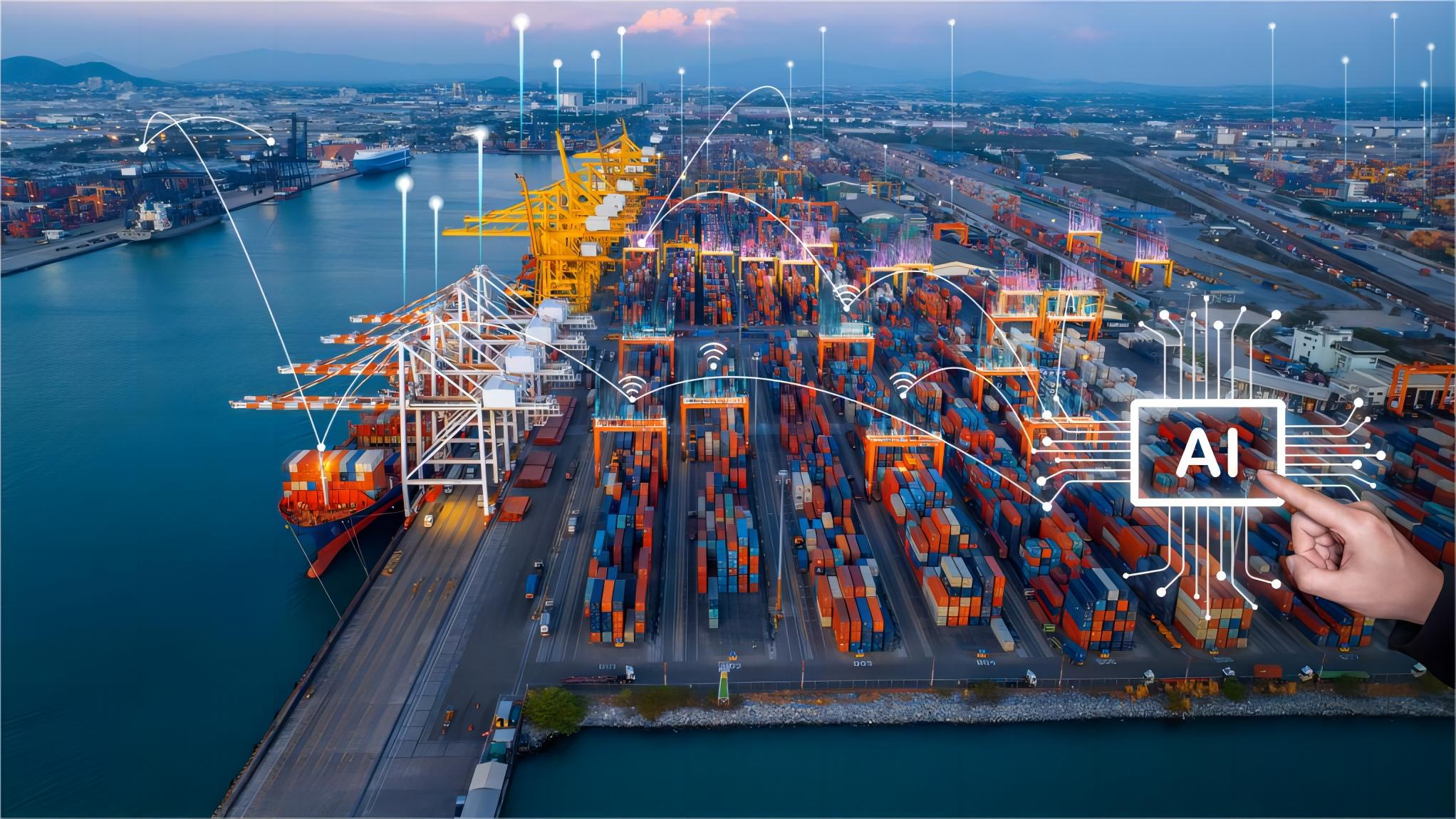
Need a tailored shipping solution?
Ready to streamline your global supply chain with expert import export logistics company china services? Contact Global China Freight today to receive a customized quote and discover how our tailored solutions can grow your business in 2026. Visit our website to learn more. Send Inquiry: globalchinafreight.com