
International Freight Forwarder China DDP FBA: 2026 Logistics Guide
Securing a dependable international freight forwarder china ddp fba has become the cornerstone of success for modern e-commerce entrepreneurs in 2026. Many sellers encounter significant hurdles ranging from fluctuating shipping costs to complex customs regulations that threaten their bottom line. This comprehensive guide explores how professional logistics partnerships streamline the transition of goods from Chinese factories directly to Amazon fulfillment centers.
✦
What is an International Freight Forwarder China DDP FBA?
A specialized logistics provider manages the end-to-end movement of inventory while assuming all responsibility for taxes and duties. These experts navigate the intricate requirements of the Amazon network to ensure your products arrive without rejection. Consequently, sellers can focus on marketing and sales rather than worrying about port congestion or paperwork errors.
Delivered Duty Paid (DDP) remains the preferred incoterm for Amazon sellers because it simplifies the financial aspect of importing. Under this agreement, the forwarder handles every cost, including ocean freight, terminal handling, and import clearance. Therefore, you receive a single, all-inclusive quote that prevents unexpected expenses from surfacing during the delivery schedule.
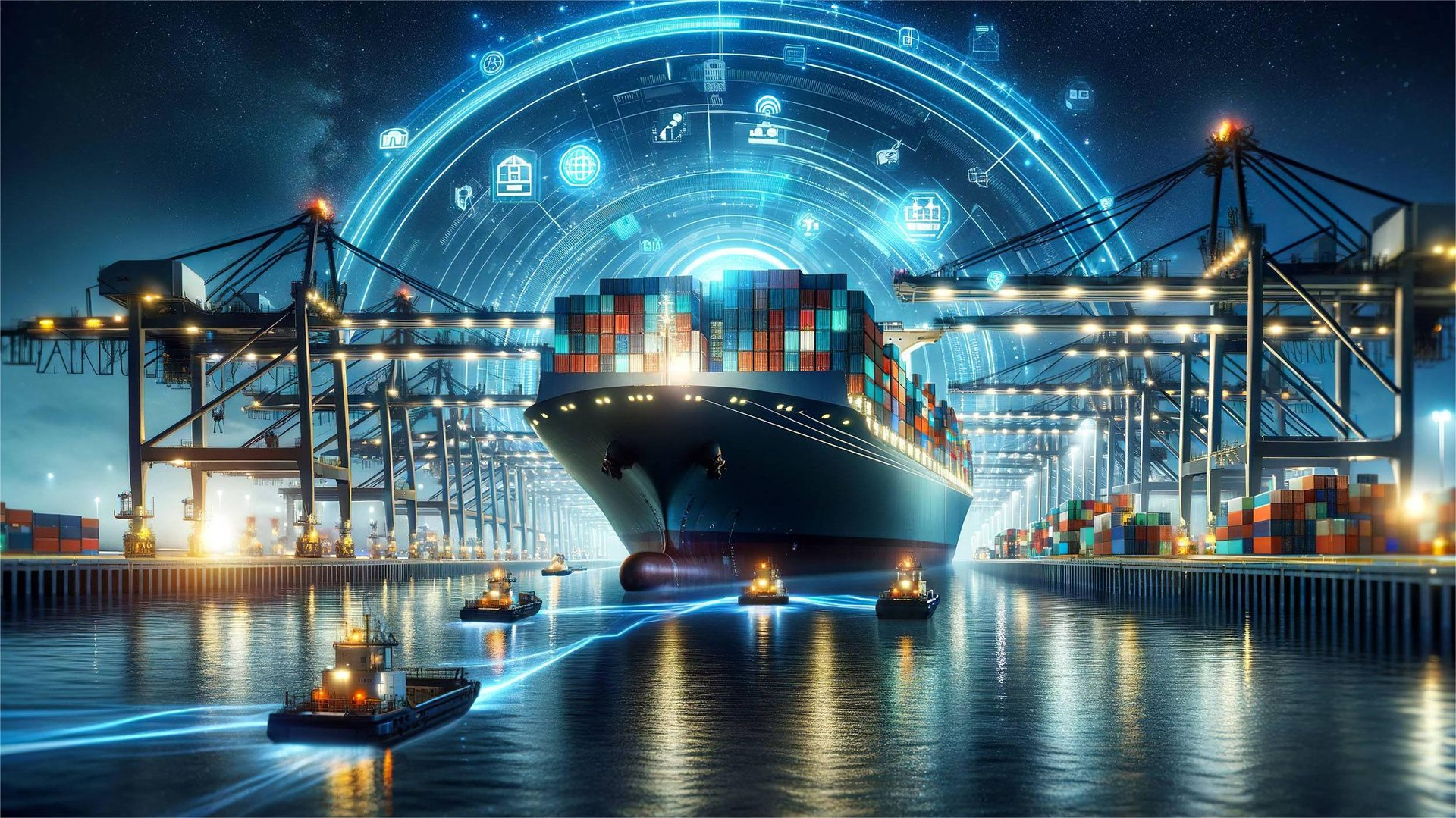
Modern logistics trends in 2026 emphasize transparency and digital tracking for every shipment. Professional forwarders now utilize advanced software to provide real-time updates on cargo handling and vessel locations. Moreover, these digital tools help maintain a lean supply chain by predicting potential delays before they impact your inventory levels.
Why Choose DDP Shipping for Amazon FBA in 2026?
Utilizing Amazon FBA services through a DDP framework eliminates the need for the seller to act as the Importer of Record. This is crucial because Amazon strictly refuses to be responsible for duties or taxes upon arrival. Indeed, failing to use DDP often results in shipments being returned to China at the seller’s expense.
Efficiency drives the decision to use DDP for most high-volume sellers targeting North American and European markets. Instead of coordinating with multiple brokers and local couriers, you interact with one point of contact. Furthermore, this streamlined communication reduces the risk of data entry errors that often lead to customs audits.
Predictability in pricing allows for better financial planning and higher profit margins in a competitive market. As of early 2026, freight rates have shown increased volatility, making fixed-price DDP agreements even more valuable. Consequently, businesses can set their retail prices with confidence, knowing their exact landed cost per unit.
How Does DDP Compare to Other Shipping Options?
Evaluating different incoterms is essential for determining the most cost-effective strategy for your specific business model. While FOB (Free On Board) might appear cheaper initially, it requires the buyer to manage all logistics once the goods leave the Chinese port. In contrast, DDP offers a hands-off approach that saves significant time and administrative labor.
Small businesses often find that DDP provides a safety net against the complexities of international trade laws. Larger corporations might have in-house teams to handle EXW (Ex Works) shipments, but for most Amazon sellers, the forwarder’s expertise is indispensable. Additionally, the peace of mind provided by a guaranteed delivery to the FBA warehouse often outweighs the slightly higher service fees.
| Shipping Method | Cost Range | Transit Time | Best For |
|---|---|---|---|
| DDP Sea Freight | $2.00 – $4.50 per kg | 30-45 Days | Bulk inventory and low-margin goods |
| DDP Air Freight | $6.00 – $9.50 per kg | 7-12 Days | High-value items or urgent restocks |
| DDP Rail Freight | $2.50 – $5.00 per kg | 20-28 Days | Mid-sized shipments to Europe |
| Express DDP | $8.00 – $12.00 per kg | 3-6 Days | Samples or very small urgent batches |
Air vs Sea vs Rail: Choosing the Right Mode
Selecting the appropriate transport mode depends heavily on your budget priority and how quickly you need to replenish stock. For instance, sea freight is the backbone of global trade, offering the lowest cost for large volumes. Nevertheless, the longer transit time requires sellers to forecast their inventory needs at least two months in advance.
Alternatively, air freight provides a rapid solution for keeping your Amazon ‘Best Seller’ badge during unexpected spikes in demand. Although the cost is higher, the reduced transit time minimizes the capital tied up in transit. Meanwhile, rail freight has emerged as a viable middle ground for shipments from China to Europe, balancing cost and speed effectively.
Cargo handling practices vary significantly between these modes, impacting the safety of fragile items. Air transport involves less manual handling and shorter exposure to the elements compared to ocean voyages. Therefore, you should consider the nature of your products when deciding which logistics channel to utilize for your 2026 strategy.
Understanding the DDP Process for Amazon FBA
A complete door to door service begins at the factory gate where the forwarder collects the packed cartons. They then transport the goods to a consolidation warehouse to prepare for international export. During this stage, the forwarder verifies that all FNSKU labels and pallet requirements meet Amazon’s strict compliance standards.
Customs clearance represents the most critical phase of the DDP journey where expertise is most needed. The forwarder utilizes their own legal entities or partners to clear the goods through the destination’s customs authority. Consequently, the seller avoids the need to establish a local business entity in every country where they sell products.
Final mile delivery involves transporting the cleared goods from the port or airport to the specific FBA center. Forwarders often use Amazon-partnered carriers or their own fleet to secure delivery appointments. This ensures that the shipment is not rejected at the warehouse gate due to improper scheduling or vehicle types.
Essential Documentation for China to FBA Shipments
Professional customs brokerage relies on accurate documentation to prevent costly delays at the border. Without a precise Commercial Invoice and Packing List, your shipment could face intensive inspections or seizures. Moreover, specific product categories like electronics or toys require additional safety certificates to enter Western markets.
Accuracy in declaring the Harmonized System (HS) codes determines the duty rate applied to your goods. Your freight forwarder will review these codes to ensure you are not overpaying or risking penalties for misclassification. Indeed, a single digit error in an HS code can lead to thousands of dollars in fines or prolonged storage fees.
| Document | Purpose | Required For | Responsible Party |
|---|---|---|---|
| Commercial Invoice | Declares value and goods | All Shipments | Supplier/Seller |
| Packing List | Details weight and dims | All Shipments | Supplier |
| Bill of Lading | Contract of carriage | Sea Freight | Freight Forwarder |
| MSDS Report | Safety for batteries | Electronics | Manufacturer |
Real-World Case Studies: China to FBA Success
Case Study 1: Efficient Sea Freight for Home Decor. Route: Shenzhen, China to Los Angeles, USA. Cargo: 500 sets of wooden furniture, 18 CBM, 4500 kg. Container: LCL. Shipping Details: Major carrier via direct route to Port of Long Beach. Cost Breakdown: Ocean Freight $2,200; Origin/Destination Charges $850; Customs/Duties $1,200; Total Landed Cost $4,250. Timeline: 5 days booking, 16 days transit, 4 days clearance; Total 25 days door-to-door. Key Insight: Using LCL allowed the seller to maintain stock without the cost of a full container.
Case Study 2: Rapid Air Freight for Tech Launch. Route: Guangzhou, China to London, UK. Cargo: 2,000 units of wireless earbuds, 2 CBM, 400 kg. Shipping Details: Air cargo via Heathrow Airport. Cost Breakdown: Air Freight $3,400; Documentation $150; Customs $900; Total Landed Cost $4,450. Timeline: 2 days loading, 3 days transit, 2 days clearance; Total 7 days door-to-door. Key Insight: Speed was prioritized to meet a 2026 Q1 product launch deadline, justifying the higher air freight rates.
Case Study 3: Rail Freight for European Expansion. Route: Chengdu, China to Hamburg, Germany. Cargo: 1,200 units of kitchen appliances, 12 CBM, 3,000 kg. Shipping Details: China-Europe Railway Express via Poland. Cost Breakdown: Rail Freight $3,100; Handling $600; Duties $1,500; Total Landed Cost $5,200. Timeline: 4 days booking, 22 days transit, 5 days clearance; Total 31 days door-to-door. Key Insight: Rail provided a 30% cost saving compared to air while being 10 days faster than sea freight.
Which Option Should You Choose? Decision Framework
Deciding on the best shipping strategy requires a careful balance of your current cash flow and inventory turnover rates. If your priority is maximizing profit on heavy items, sea freight DDP remains the undisputed champion. However, if you are testing a new product with a limited shelf life, the speed of air freight might be more beneficial.
Volume thresholds often dictate when it makes sense to switch from LCL (Less than Container Load) to FCL (Full Container Load). Generally, once your shipment exceeds 15 CBM, booking a 20GP container becomes more economical than paying per cubic meter. Furthermore, consolidating multiple supplier orders into one shipment can significantly reduce your total landed cost.
Hybrid solutions like sea-air combinations are gaining popularity in 2026 for their unique balance of speed and cost. These routes might involve shipping by sea to a hub like Dubai and then flying the goods to the final destination. Consequently, you can bypass port congestion in major regions while keeping expenses lower than pure air freight.
Mastering Your 2026 FBA Logistics
Navigating the complexities of global trade requires a strategic partnership with an expert international freight forwarder china ddp fba. By understanding the nuances of DDP shipping and choosing the right transport mode, you can significantly enhance your operational efficiency. Remember that the cheapest option is not always the most cost-effective if it leads to stockouts or customs delays.
Staying informed about logistics trends and maintainng flexible shipping strategies will protect your business from market volatility. Whether you choose air, sea, or rail, ensure your documentation is flawless and your forwarder is experienced in Amazon compliance. With the right approach, your China to FBA pipeline will become a powerful engine for your e-commerce growth.