

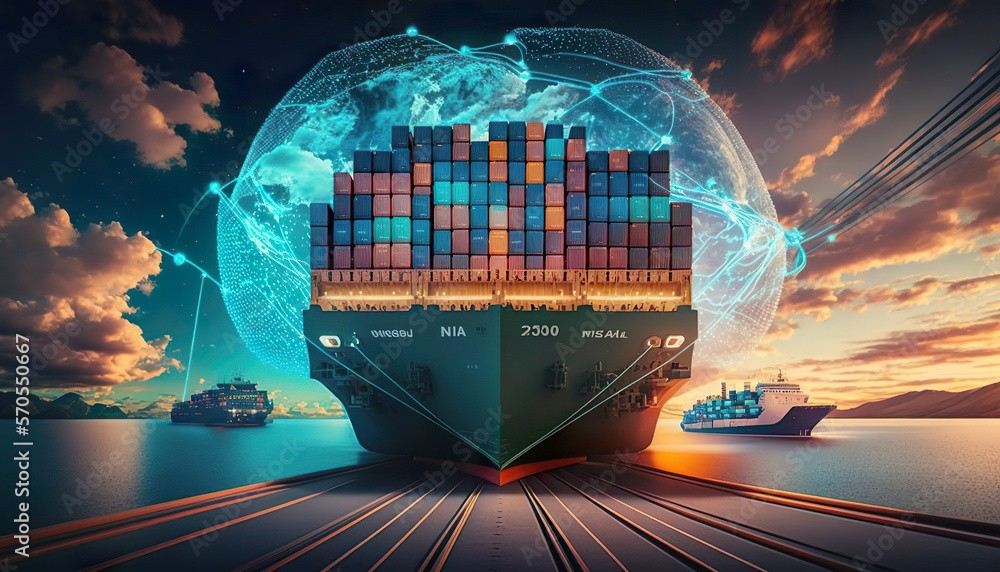
FCL Shipping China to Australia 20GP Price: 2026 Complete Guide
Navigating the international trade landscape requires a precise understanding of the FCL shipping china to Australia 20GP price and logistics requirements. As we move through 2026, market dynamics continue to shift due to fuel fluctuations and port efficiency improvements. Consequently, businesses must stay informed about current freight benchmarks to maintain a competitive edge in the Australian market. This guide provides a comprehensive breakdown of costs, transit times, and strategic advice for your next container shipment.

What is the Current FCL Shipping China to Australia 20GP Price?
Determining the exact cost of a 20ft container involves several variables including origin port, destination port, and seasonal demand. Currently, the average ocean freight rate for a 20GP container from major Chinese hubs to Australia ranges between 850 USD and 1,300 USD. However, these figures represent the base freight and do not include local charges or delivery fees.

Market data for early 2026 suggests that rates have stabilized following the volatility seen in previous years. Furthermore, carriers have optimized their schedules to offer more consistent pricing for the China-Australia corridor. Therefore, importers can plan their budgets with greater accuracy than in the past.
Choosing sea freight remains the most cost-effective method for transporting heavy or bulky goods over long distances. While prices may spike during peak seasons like the pre-Lunar New Year rush, the 20GP container offers a balanced solution for volume and price.
Breakdown of Costs: What Determines Your 20GP Price?
Understanding the total landed cost is essential for any business importing goods from China. Beyond the base ocean freight, you must account for Terminal Handling Charges (THC), documentation fees, and bunker adjustment factors. Additionally, local delivery within Australia can significantly impact the final invoice depending on the distance from the port.
Port congestion surcharges and peak season surcharges are also common during high-demand periods. For instance, shipping during the late Q3 period often attracts a premium due to the holiday shopping preparations. Consequently, booking your space at least 3-4 weeks in advance is highly recommended to secure better rates.
Customs duties and GST in Australia are calculated based on the value of the goods and the shipping cost. Engaging a professional customs brokerage service ensures that you comply with all Australian Border Force regulations. This prevents costly delays and potential fines during the clearance process.
| Cost Category | Estimated Range (USD) | Frequency | Notes |
|---|---|---|---|
| Ocean Freight | 800 – 1,250 | Per Shipment | Base port-to-port rate |
| Origin Charges | 250 – 450 | Per Container | THC, Doc, Handling |
| Destination Charges | 400 – 700 | Per Container | Port fees, DTHC |
| Delivery (Local) | 300 – 800 | Per Trip | Depends on distance |
Transit Times and Route Options to Australia
Shipping from China to Australia is relatively fast compared to European or North American routes. Direct services from Shenzhen or Guangzhou to Sydney can take as little as 12 to 15 days. On the other hand, shipments from northern ports like Qingdao or Tianjin may take 18 to 22 days.
Transshipment options via Singapore or Port Klang are available and sometimes offer lower prices. Nevertheless, these routes typically add 5 to 10 days to the total transit time. Therefore, businesses must weigh the cost savings against the urgency of their inventory needs.
Weather conditions and port productivity at major hubs like Port Botany or the Port of Melbourne can also influence schedules. Indeed, seasonal storms in the South China Sea occasionally cause minor disruptions. Most major carriers now provide real-time tracking to help importers manage their supply chains effectively.
How Does FCL Compare to Other Shipping Options?
Full Container Load (FCL) is often compared to Less than Container Load (LCL) and air transport. While LCL is suitable for smaller volumes, FCL becomes more economical once your cargo exceeds 15 cubic meters. Moreover, FCL offers better security as the container is sealed at the origin and only opened at the destination.
For urgent shipments, air freight is the fastest alternative but comes at a significantly higher price point. If your cargo is high-value and time-sensitive, the speed of air transport justifies the expense. However, for standard commercial goods, the 20GP sea container remains the industry standard for value.
Hybrid solutions like sea-air are less common for the Australia route due to the direct proximity of the two regions. In contrast, businesses looking for a middle ground might consider express service for samples or small urgent replacements. Each method serves a specific purpose in a modern logistics strategy.
| Method | Cost Level | Transit Time | Best For |
|---|---|---|---|
| FCL 20GP | Low | 12-22 Days | Bulk Goods / 15+ CBM |
| LCL | Medium | 15-25 Days | Small Shipments |
| Air Freight | High | 3-7 Days | Urgent / High Value |
| Express | Very High | 2-5 Days | Samples / Documents |
Which Option Should You Choose?
Selecting the right shipping method depends largely on your budget, volume, and required delivery speed. If you have enough cargo to fill at least 70 percent of a 20GP container, FCL is almost always the better choice. This reduces the risk of damage since your goods are not handled alongside other shippers’ cargo.
Budget-conscious importers should prioritize sea freight and book during off-peak windows to minimize the FCL shipping china to Australia 20GP price. Conversely, if your priority is speed to market, air freight is the only viable option despite the cost. You should also consider the nature of your goods, such as perishables or hazardous materials, which may dictate specific shipping requirements.
For e-commerce sellers, Amazon FBA shipping services provide a streamlined way to move goods from Chinese factories to Australian fulfillment centers. This often involves a mix of FCL and local palletized delivery. Ultimately, a balanced approach using multiple modes of transport can optimize your overall logistics spend.

Real-World Case Studies: 20GP Shipments to Australia
Case Study 1: Electronics Import. Route: Shenzhen to Sydney. Cargo: Consumer electronics, 24 CBM, 8,000 kg. Container: 20GP. Ocean Freight: 950 USD. Origin Charges: 320 USD. Destination Charges: 550 USD. Total Landed Cost (Excl. Duties): 1,820 USD. Timeline: 14 days port-to-port. Key Insight: Direct sailing from South China saved 6 days compared to transshipment.
Case Study 2: Furniture Distribution. Route: Shanghai to Melbourne. Cargo: Flat-pack furniture, 26 CBM, 12,000 kg. Container: 20GP. Ocean Freight: 1,100 USD. Total Door-to-Door Cost: 2,450 USD. Timeline: 24 days total. Key Insight: Utilizing a door to door service simplified the complex local logistics in Melbourne during a peak construction period.
Note: Freight rates are subject to change based on fuel costs, carrier capacity, and seasonal demand. Contact us for a current quote tailored to your specific shipment.
Strategies to Reduce Your FCL Shipping Costs
Consolidating your orders is one of the most effective ways to lower your per-unit shipping cost. If you buy from multiple suppliers in China, use a warehouse to combine them into a single 20GP container. Consequently, you avoid the higher pro-rata costs associated with multiple LCL shipments.
Negotiating with multiple freight forwarders can also yield significant savings. However, do not choose based on price alone, as reliability and communication are equally vital. Furthermore, optimizing your packaging to maximize the internal space of the 20GP container ensures you are not paying to ship air.
Monitoring the market for ‘blank sailings’ or capacity reductions is another proactive strategy. When carriers reduce capacity, rates usually rise shortly after. Therefore, staying ahead of these trends allows you to book before the price hike takes effect.
Summary of FCL Shipping to Australia
Securing a competitive FCL shipping china to Australia 20GP price requires a combination of market knowledge, early planning, and the right logistics partner. By understanding the various cost components and transit options, you can make informed decisions that benefit your bottom line.
Whether you are importing electronics, furniture, or industrial equipment, the 20GP container remains a versatile and cost-effective choice for the Australian trade route. Start planning your 2026 shipments today to take advantage of stable market conditions and efficient shipping routes.
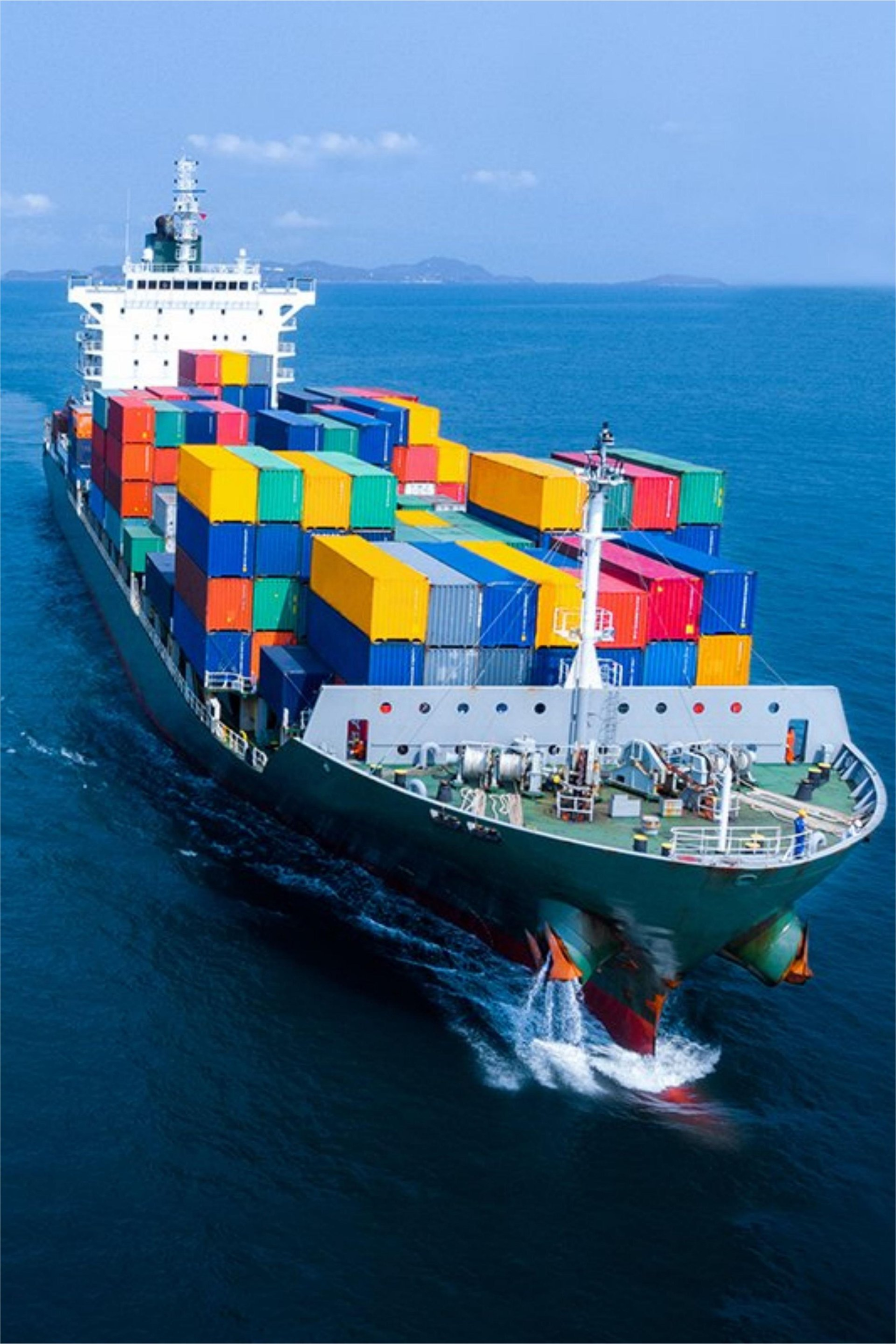
Start Your Shipment
Ready to optimize your supply chain and secure the best FCL shipping china to Australia 20GP price? Contact our expert team at Global China Freight today for a customized quote and professional logistics support. Send Inquiry
Request Quote