

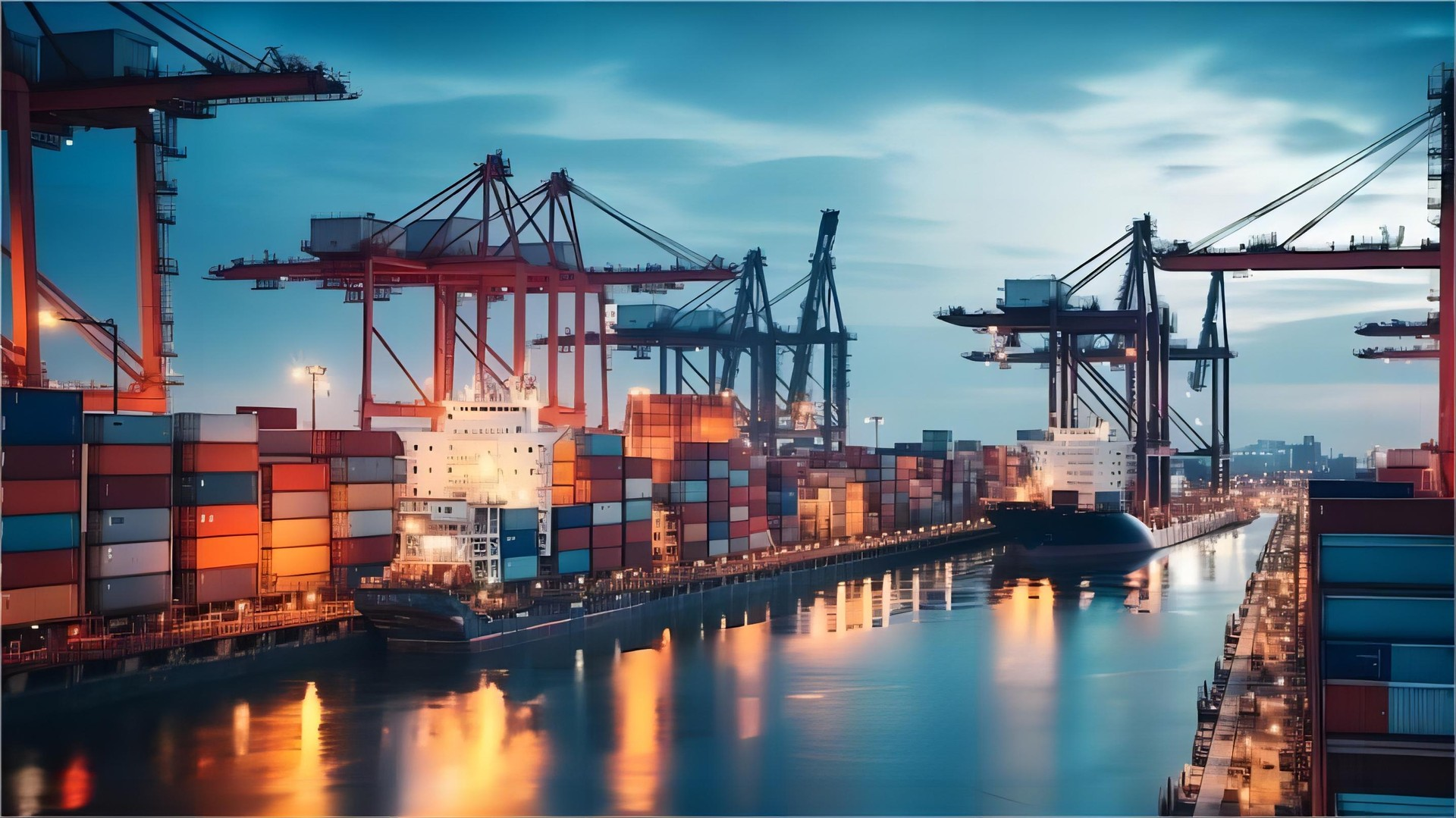
Warehouse Fulfillment China France Ecommerce: 2026 Strategy Guide
Managing a successful warehouse fulfillment china France ecommerce operation requires a precise balance of speed, cost, and reliability in 2026. As the French digital market continues to expand, businesses must navigate complex international logistics to meet rising consumer expectations for fast delivery. This comprehensive guide explores the essential strategies for streamlining your supply chain from Chinese manufacturing hubs to the doorsteps of French customers.

How Does Warehouse Fulfillment China France Ecommerce Work in 2026?
E-commerce logistics between China and France have evolved significantly over the past year. Modern fulfillment involves more than just simple storage; it requires a sophisticated integration of inventory management and multi-modal transport. Consequently, businesses are increasingly adopting end-to-end solutions that handle everything from factory pickup to final delivery.
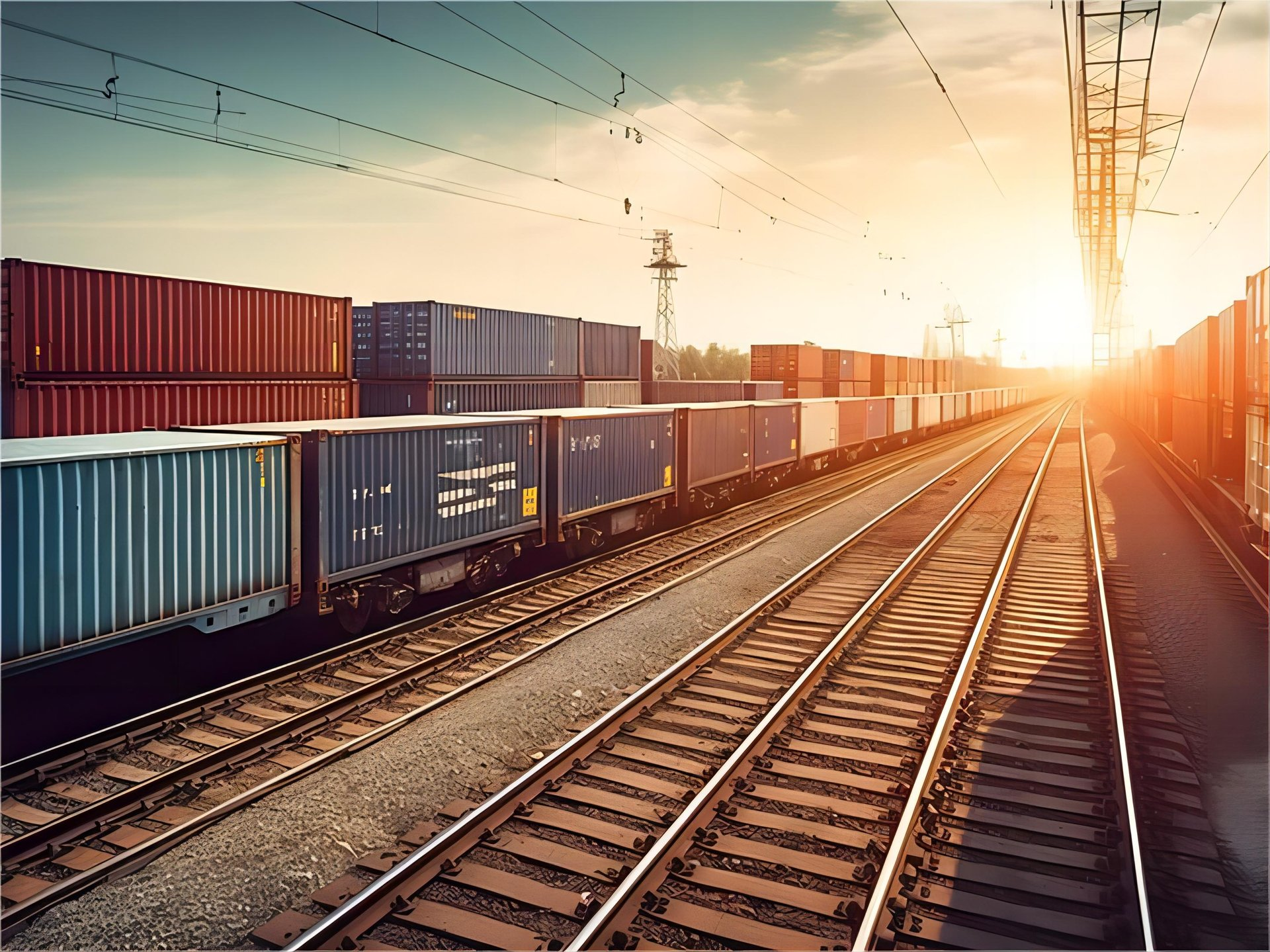
Furthermore, the integration of real-time tracking and automated sorting has reduced errors in the fulfillment process. Many 3PL providers now offer specialized services tailored specifically for the French market, including localized packaging and returns management. Indeed, having a robust presence at the origin allows for better quality control before goods undergo international transit.
The Role of 3PL Providers
Third-party logistics providers act as the backbone of the transcontinental supply chain. They manage the complexities of local warehousing while coordinating with international carriers to ensure timely departures. Additionally, these partners often provide value-added services like kitting and labeling, which are crucial for maintaining brand consistency.
How Does Sea Freight Compare to Other Shipping Options?
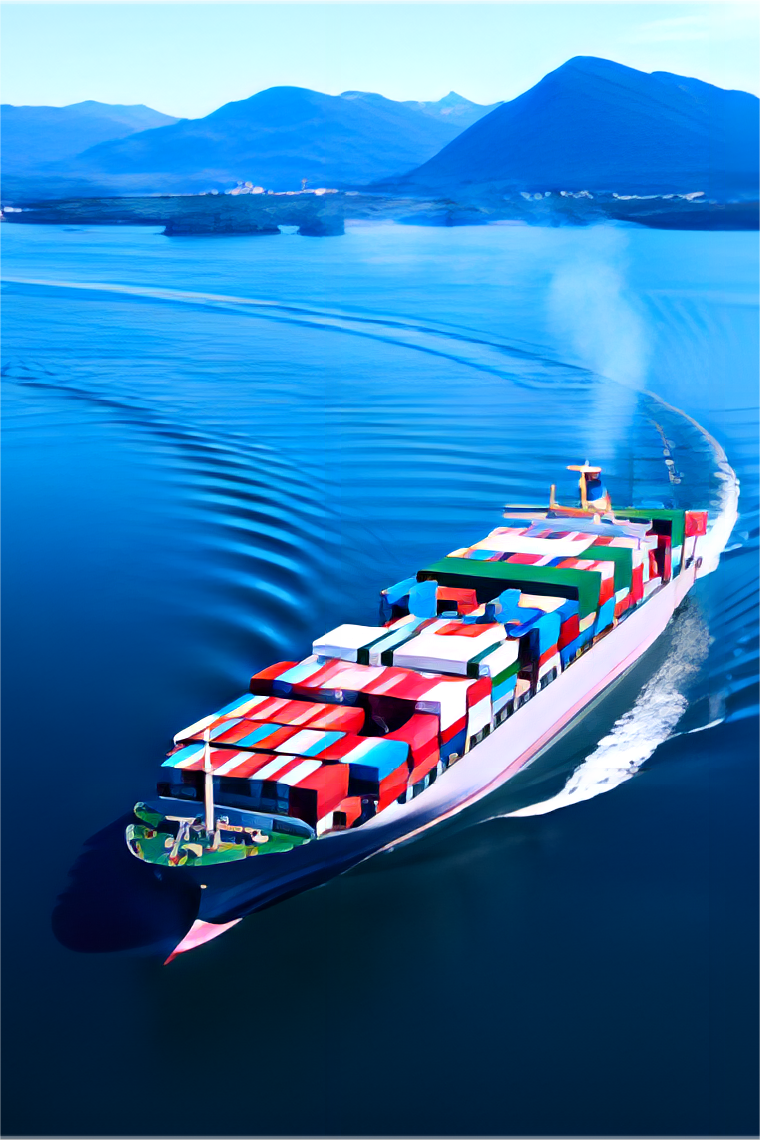
Choosing the right transport mode is the most critical decision for your bottom line. While sea freight remains the most economical choice for large volumes, it requires careful planning due to longer transit times. However, the cost savings often outweigh the speed benefits of air transport for non-urgent inventory.
On the other hand, sea freight offers the highest capacity for oversized items and bulk shipments. Shippers can choose between Full Container Load (FCL) for maximum security or Less than Container Load (LCL) to save on smaller batches. Therefore, understanding the trade-offs between cost and speed is essential for maintaining a healthy profit margin.
| Shipping Method | Cost Range | Transit Time | Best For |
|---|---|---|---|
| Sea Freight (FCL) | $1,800 – $3,500 | 28 – 35 Days | Bulk Inventory |
| Air Freight | $5.50 – $9.00/kg | 5 – 8 Days | High-Value Goods |
| Rail Freight | $1,200 – $2,200 | 18 – 22 Days | Mid-Range Budget |
| Express Service | $9.00 – $15.00/kg | 3 – 5 Days | Urgent Samples |
Alternative Strategies for China-France Logistics
Beyond standard sea transport, several alternative approaches can optimize your delivery schedule. For instance, air freight provides a rapid solution for seasonal peaks or product launches where speed is the primary objective. Although the costs are higher, the reduction in inventory holding time can improve cash flow for high-turnover items.
Meanwhile, rail freight has emerged as a popular middle-ground solution for trans-Eurasian trade. It offers a faster transit time than sea freight at a fraction of the cost of air transport. Consequently, many e-commerce sellers use rail for consistent restocking of mid-weight products like home appliances or fashion items.
Hybrid Shipping Solutions
Sea-air combinations involve shipping goods by sea to a hub like Dubai and then flying them to France. This strategy balances costs and reduces transit time compared to a pure sea route. Moreover, it provides a flexible safety net when direct routes face congestion or capacity issues.
Navigating Customs and VAT for French E-commerce
Importing goods into France requires strict adherence to European Union customs regulations and VAT requirements. Utilizing a professional customs brokerage service ensures that all documentation is accurate and duties are paid promptly. This prevents costly delays at the Port of Le Havre or Marseille, which could disrupt your entire fulfillment chain.
Additionally, the Import One-Stop Shop (IOSS) simplifies the VAT collection process for B2C shipments valued under 150 Euros. Sellers must ensure their warehouse partners are familiar with these digital filing systems to facilitate smooth border crossings. Without a doubt, compliance is the most important factor in avoiding legal complications and maintaining customer trust.
| Document Type | Required For | Purpose | Issuer |
|---|---|---|---|
| Commercial Invoice | All Shipments | Value Declaration | Seller |
| Packing List | All Shipments | Cargo Verification | Warehouse |
| Bill of Lading | Sea/Rail | Title of Goods | Carrier |
| Certificate of Origin | Specific Goods | Duty Calculation | Manufacturer |
Case Studies: Warehouse Fulfillment China France Ecommerce Success
Case Study 1: High-Tech Electronics Distribution. Route: Shenzhen, China to Paris, France. Cargo: Premium Headphones, 5 CBM, 1200 kg. Container: LCL 5 CBM. Shipping Details: Major carrier via Suez Canal. Port of Loading: Shenzhen. Port of Discharge: Le Havre. Cost Breakdown: Ocean Freight $850, Origin Charges $200, Destination Charges $350, Customs and Duties $450. Total Landed Cost: $1,850. Timeline: Booking to Loading 3 days, Sea Transit 32 days, Customs Clearance 2 days, Total Door-to-Door 40 days. Key Insight: Consolidating multiple small orders into a single LCL shipment reduced per-unit costs by 15% compared to individual express parcels.
Case Study 2: Seasonal Fashion Restock. Route: Shanghai, China to Lyon, France. Cargo: Summer Apparel, 12 CBM, 2500 kg. Container: Rail Freight LCL. Shipping Details: China-Europe Railway Express. Port of Loading: Shanghai Terminal. Port of Discharge: Lyon Rail Hub. Cost Breakdown: Rail Freight $1,400, Documentation $150, Local Delivery $300, Customs $600. Total Landed Cost: $2,450. Timeline: Transit 20 days, Customs 1 day, Total 25 days. Key Insight: Rail freight allowed the brand to hit the market two weeks earlier than sea freight, capturing early-season demand without the high cost of air transport.
Which Option Should You Choose for Your Business?
Selecting the optimal strategy depends on your specific product characteristics and customer expectations. If you are managing Amazon FBA inventory, maintaining a steady stock level is paramount to avoid ranking penalties. Therefore, a mix of sea freight for base stock and air freight for emergency refills is often the most resilient approach.
Budget-conscious businesses should prioritize sea freight but must account for the 35-day lead time in their inventory planning. In contrast, luxury brands or electronics retailers may find that the speed of air freight justifies the expense by reducing the risk of obsolescence. Ultimately, your choice should align with your long-term scalability goals in the French market.
Mastering Your China to France Supply Chain
Optimizing your warehouse fulfillment china France ecommerce strategy is a continuous process of adjustment and refinement. By leveraging the right mix of sea, air, and rail freight, businesses can create a resilient supply chain that withstands market fluctuations. Remember that factual accuracy in documentation and proactive customs management are just as important as the physical transport of goods.
As we move through 2026, staying informed about logistics trends and freight rates will remain a competitive advantage. Partnering with experienced 3PL providers allows you to focus on marketing and growth while the complexities of international shipping are handled by experts. Start implementing these strategies today to ensure your e-commerce venture thrives in the vibrant French market.
Get Your Shipping Quote Today
Streamline your warehouse fulfillment china France ecommerce operations today with expert logistics support. Contact Global China Freight for a customized quote and discover how our end-to-end solutions can reduce your shipping costs and transit times in 2026. Visit our website to get started: Send Inquiry at https://globalchinafreight.com/
Request Quote