

Freight Forwarder China to France: 2026 Logistics Guide
Finding a reliable freight forwarder China to France is essential for navigating the complexities of international trade in 2026. Whether you are importing electronics or textiles, choosing the right logistics partner ensures your cargo arrives safely and on time. This guide explores everything you need to know about shipping methods, costs, and customs procedures to streamline your supply chain.

How to Choose the Best Freight Forwarder China to France?
Selecting the right logistics partner requires a thorough evaluation of their experience and network. Specifically, you should verify if the provider has a strong presence in both Chinese manufacturing hubs and French ports like Le Havre or Marseille.
Moreover, a professional forwarder must offer comprehensive insurance and real-time tracking capabilities. Consequently, this transparency allows you to manage inventory levels more effectively while reducing the risk of unexpected delays.
In addition, check for specialized certifications that prove their expertise in handling your specific type of cargo. For instance, hazardous materials or perishable goods require distinct handling protocols that not all forwarders can provide.
Furthermore, communication is a vital factor in a successful partnership. Therefore, ensure your chosen freight forwarder China to France offers responsive customer support in your preferred language and time zone.
What are the Main Shipping Methods from China to France?
Importers generally choose between sea, air, and rail freight based on their budget and urgency. Each method offers unique advantages depending on the volume and nature of the goods being transported.
To illustrate the differences, consider the balance between cost and speed. While air freight offers the fastest delivery, sea freight remains the most economical choice for large-scale shipments.
Meanwhile, rail freight has emerged as a popular middle-ground solution for those seeking faster transit than sea without the high costs of air transport. As a result, many businesses now use a mix of these methods to optimize their logistics spend.
| Method | Transit Time | Cost Level | Best For |
|---|---|---|---|
| Sea Freight | 30-40 Days | Low | Bulk Goods / FCL |
| Air Freight | 3-7 Days | High | High-Value / Urgent |
| Rail Freight | 18-24 Days | Moderate | Mid-sized Cargo |
| Express | 2-5 Days | Very High | Samples / Small Parcels |
How Does Sea Freight Compare to Other Shipping Options?
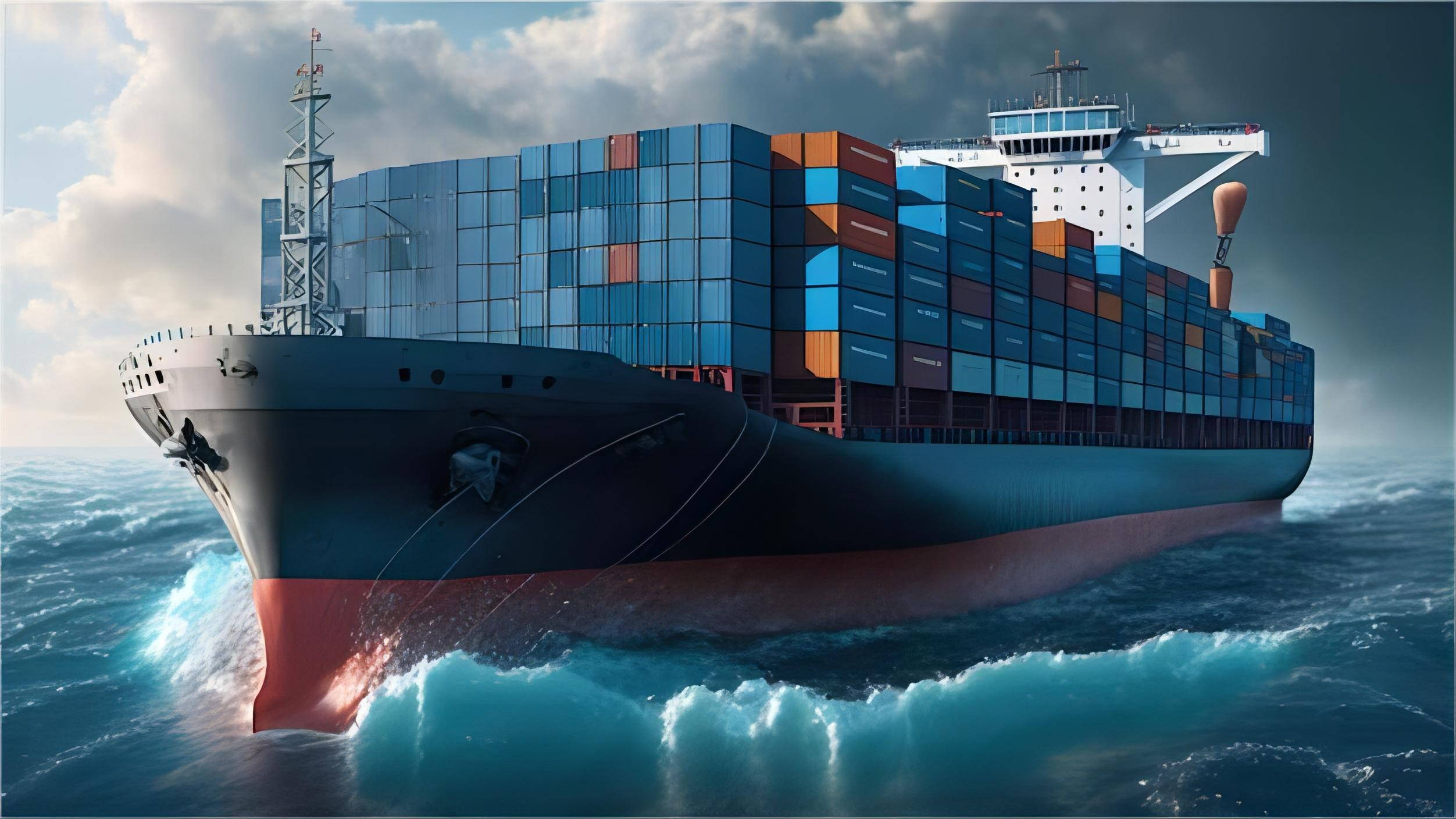
For most businesses, sea freight is the backbone of their international trade strategy. This method is particularly cost-effective when moving large volumes of goods across long distances.
However, the longer transit times require meticulous planning to avoid stockouts. In contrast, air freight can replenish stock in less than a week but can cost up to five times more than ocean transport.
Additionally, sea freight provides two main options: Full Container Load (FCL) and Less than Container Load (LCL). Specifically, FCL is ideal for large shipments that fill an entire container, whereas LCL allows you to share space and costs with other shippers.
Consequently, the choice between these options depends on your total volume and how quickly you need the goods to arrive at the French destination.
| Shipping Method | Cost Range | Transit Time | Limitations |
|---|---|---|---|
| Sea Freight | $2,000-$4,200 per 40HQ | 30-40 Days | Slowest speed |
| Air Freight | $4.50-$8.50 per KG | 3-7 Days | Weight restrictions |
| Rail Freight | $120-$180 per CBM | 18-24 Days | Limited destinations |
| Sea-Air Hybrid | $3.00-$5.00 per KG | 15-20 Days | Complex handling |
Understanding Air Freight for Urgent Shipments
When time is the most critical factor, air freight stands out as the premier choice. This method is essential for high-value items like electronics, pharmaceuticals, or seasonal fashion collections.
Furthermore, air transport offers enhanced security and a lower risk of damage compared to other modes. Nevertheless, the environmental impact and high fuel surcharges in 2026 make it a less sustainable option for heavy bulk goods.
In addition, air freight rates are calculated based on either actual weight or volumetric weight. Therefore, optimizing your packaging can lead to significant cost savings when using this premium service.
Indeed, many companies reserve air freight for emergency shipments or product launches where meeting a specific deadline is non-negotiable.
The Growth of Rail Freight from China to France
The use of rail freight has expanded significantly as part of the modern Silk Road initiative. This mode provides a reliable alternative that avoids the congestion often found at major seaports.
Specifically, trains travel from major Chinese hubs like Xi’an or Chengdu directly into European rail terminals. Consequently, this reduces the total transit time to approximately three weeks, which is nearly half the time of sea freight.
Moreover, rail transport is more environmentally friendly than air freight and more stable in terms of pricing. However, it is important to note that rail capacity can be limited during peak seasons, so early booking is always recommended.
Without a doubt, rail is an excellent strategic choice for automotive parts and industrial machinery destined for French manufacturing centers.
Shipping Costs and Transit Times in 2026
Market data suggests that freight rates have stabilized in early 2026 following previous global disruptions. For instance, a 40HQ container from Shanghai to Le Havre currently ranges between $3,000 and $4,200 depending on the carrier.
Meanwhile, transit times remain consistent with historical averages. Sea routes typically take 32 to 38 days, while air routes from Beijing to Paris Charles de Gaulle take about 5 days including customs processing.
Additionally, seasonal patterns continue to influence pricing significantly. For example, rates typically increase by 15-25% during the August to October peak season as retailers prepare for the winter holidays.
Note: Freight rates are subject to change based on fuel costs, carrier capacity, and seasonal demand. Contact us for a current quote tailored to your specific shipment.

Customs Clearance and Documentation Requirements
Navigating French customs requires precise documentation and adherence to European Union regulations. Using a professional customs brokerage service can prevent costly delays and fines.
Specifically, you will need a commercial invoice, a packing list, and a Bill of Lading or Air Waybill. Furthermore, an EORI number is mandatory for any business importing goods into France.
Moreover, ensure that all products comply with CE marking requirements if they fall under relevant EU directives. Consequently, failing to provide proof of conformity can result in the seizure of your cargo at the border.
To summarize, meticulous preparation of paperwork is just as important as the physical transportation of the goods themselves.
| Document Name | Purpose | Required By | Format |
|---|---|---|---|
| Commercial Invoice | Valuation and Tax | Customs | Digital/Paper |
| Packing List | Cargo Verification | Warehouse | Digital/Paper |
| Certificate of Origin | Duty Calculation | Customs | Original |
| Bill of Lading | Title to Goods | Carrier | Original/Telex |
Which Option Should You Choose?
Deciding on the best shipping method depends on your specific business priorities. If your primary goal is to minimize costs and you have flexible timelines, sea freight is the clear winner.
On the other hand, if you are handling perishable items or high-demand electronics, the speed of air freight justifies the higher investment. For mid-range needs, rail freight offers a balanced compromise.
Consider using door to door services to simplify the entire process. This approach allows the freight forwarder to manage every step from the Chinese factory to your French warehouse.
In addition, always factor in the landed cost, which includes duties, taxes, and local delivery fees, rather than just the freight rate itself.
Real Case Studies of China to France Shipments
Reviewing real-world examples can provide valuable insights into the practicalities of international shipping. These cases reflect typical scenarios encountered by importers in the current market.
Case Study 1: Electronics from Shenzhen to Le Havre. A tech retailer shipped a 20GP container of consumer electronics via sea. The ocean freight cost was $2,100 with a total door-to-door timeline of 36 days. The key success factor was early booking two weeks before the Chinese New Year.
Case Study 2: Fashion Apparel from Ningbo to Paris. A boutique used air freight for 450kg of seasonal clothing. The total cost was $2,900 including customs clearance. The shipment arrived in 6 days, allowing the client to meet their seasonal launch deadline.
Case Study 3: Industrial Parts from Shanghai to Lyon. A manufacturer chose rail freight for 12 CBM of machinery parts. The cost was $1,650 and transit took 22 days. This method saved them $1,200 compared to air freight while arriving 14 days faster than sea.
Final Thoughts on Shipping from China to France
In conclusion, managing logistics from China to France in 2026 requires a strategic approach and a reliable partner. By understanding the differences between sea, air, and rail freight, you can make informed decisions that balance cost and speed.
Furthermore, staying updated on customs regulations and market trends will help you avoid common pitfalls. A professional freight forwarder China to France acts as an extension of your business, providing the expertise needed to navigate the global trade landscape.
Ultimately, the right shipping strategy will enhance your competitiveness and support your long-term growth in the French market.
Get Your Shipping Quote Today
Streamline your supply chain today with the help of an expert freight forwarder China to France. Our team provides tailored logistics solutions to ensure your cargo moves efficiently across the globe. Visit our website to request a personalized quote and see how we can optimize your shipping strategy. Send Inquiry: Visit https://globalchinafreight.com/
Request Quote