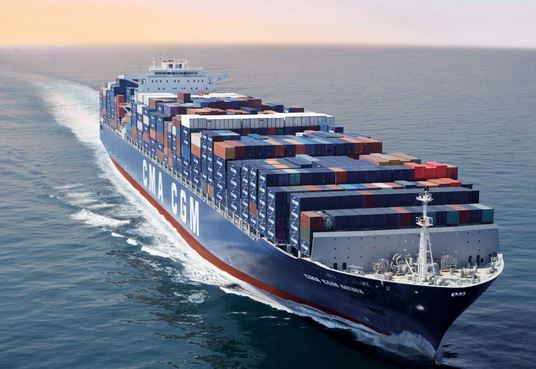
Many of our customers are based in Rwanda, making it an important and growing market for Global China Freight. We have established contract rates with major international carriers such as COSCO, OOCL, APL, EMC, MSK, and HMM, enabling us to offer highly competitive freight rates when shipping from China to any port in Rwanda.
With Global China Freight as your logistics partner, shipping goods from China to Rwanda becomes much easier. Simply hand over your cargo, and our experienced team will take care of everything for you, including pickup, export procedures, customs clearance, and inland delivery across Rwanda. Global China Freight is committed to being your most reliable freight forwarder from China to Rwanda.
Request a better quote now and enjoy a seamless and efficient shipping experience with Global China Freight.
We offer competitive ocean freight rates and reliable shipping solutions tailored to your required transit time when transporting goods from China to Rwanda. Global China Freight provides smooth coordination through nearby seaports and efficient multimodal links to inland destinations across Rwanda.

We will select the most suitable airline for your shipment based on your schedule and budget. Global China Freight ensures fast, dependable, and secure air freight services from China to Rwanda, giving your cargo the speed and reliability it needs.

Whether for business or personal shipments, we offer a complete door-to-door service from China to Rwanda. This includes pickup, export handling, customs clearance, and final delivery to your address—providing a smooth, hassle-free logistics experience with Global China Freight.

Global China Freight provides reliable and cost-effective FCL (Full Container Load) solutions for businesses shipping large volumes of goods from China to Rwanda. We maintain long-term contract rates with major carriers, allowing us to secure competitive prices and stable weekly sailings through nearby seaports such as Dar es Salaam and Mombasa before onward delivery to Kigali or other inland destinations. Whether you require 20GP, 40GP, or 40HQ containers, our team manages the entire process—including pickup, export documentation, customs clearance, and coordinated inland transport—ensuring a smooth, predictable, and stress-free FCL shipping experience.
For shipments that do not require a full container, our LCL (Less than Container Load) service offers a flexible, economical, and secure solution from China to Rwanda. We consolidate your cargo in our certified warehouses across China and arrange regular LCL departures through East African gateway ports, providing consistent transit times and comprehensive tracking throughout the journey. Global China Freight also supports destination handling, customs clearance, and final inland delivery to Kigali or other cities, ensuring your goods arrive safely and efficiently without the higher cost of a full container. LCL is an excellent choice for SMEs, mixed shipments, or lower-volume cargo.
Global China Freight will provide most fuel efficient pickup service China
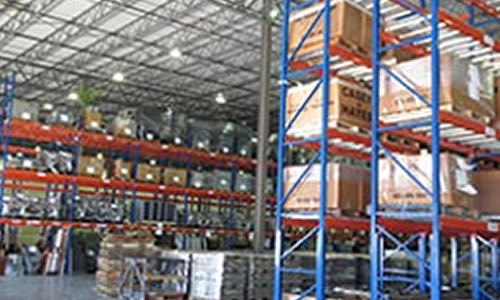
We provide free warehousing services for any of your goods.
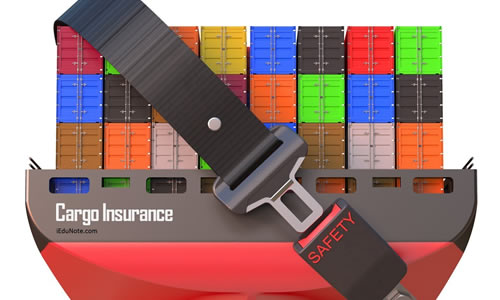
The cargo insurance protects your goods all the way to any Any FBA Warehouse

We handle all paperwork and other details for you.
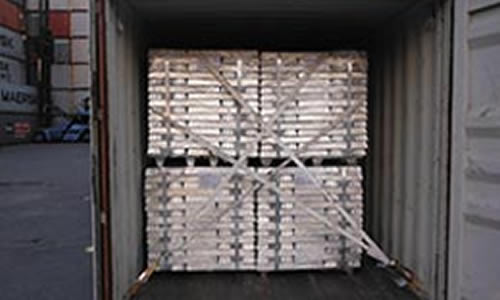
Ensure safe packaging and loading of goods in your suppliers' factory.
Air freight costs are generally higher than sea freight and depend on the weight and volume of the cargo. Typically, air freight costs range from tens to several hundred dollars per kilogram. For precise pricing, it’s best to consult with a logistics company or freight forwarder, as fees can vary based on fuel surcharges and additional charges.
Sea freight from China to Rwanda usually takes 4 to 8 weeks, while air freight takes about 1 week. Sea freight is more cost-effective but slower, whereas air freight is faster but more expensive. The choice between these methods depends on the urgency and budget for the shipment.
Customs clearance time can vary but generally takes between a few days to a week. Factors affecting this include the type of goods, completeness of documentation, and any potential issues with import regulations. Delays can occur if there are discrepancies or additional inspections required.
Yes, Rwanda imposes import duties and taxes on goods entering the country. The rates depend on the type of product and its classification under the Harmonized System (HS) code. Importers should check with Rwandan customs or a customs broker for the exact duties applicable to their specific goods.
Rwanda is a landlocked country, so shipments typically enter through neighboring countries. Major transit ports include the Port of Dar es Salaam in Tanzania and the Port of Mombasa in Kenya. Goods are then transported by road or rail to Rwanda.
Yes, most logistics companies and freight forwarders offer tracking services for shipments. You can track your cargo using a tracking number provided by the shipping company. Tracking information is usually available online through the logistics provider’s website.
The most common shipping methods include sea freight, air freight, and rail transport. Sea freight is used for large and less time-sensitive shipments, while air freight is preferred for urgent and high-value goods. Rail transport is less common but can be used for certain types of cargo.
Required documents generally include a commercial invoice, packing list, bill of lading (for sea freight) or air waybill (for air freight), and a certificate of origin. Depending on the nature of the goods, additional documents such as health certificates or permits might be needed.
Risks include potential delays due to customs issues, weather conditions, or transportation disruptions. There is also a risk of damage or loss of goods. To mitigate these risks, it is advisable to choose reliable logistics providers, ensure proper insurance coverage, and track shipments regularly.
To reduce shipping costs, consider consolidating shipments to maximize container space, using sea freight instead of air freight for non-urgent items, and negotiating rates with logistics providers. Additionally, ensuring that all documentation is accurate and complete can help avoid delays and extra fees.
Operations deal with the way the vehicles are operated, and the procedures set for this purpose, and policies. In the transport industry, operat ions and ownership of infrastructure can be either country.