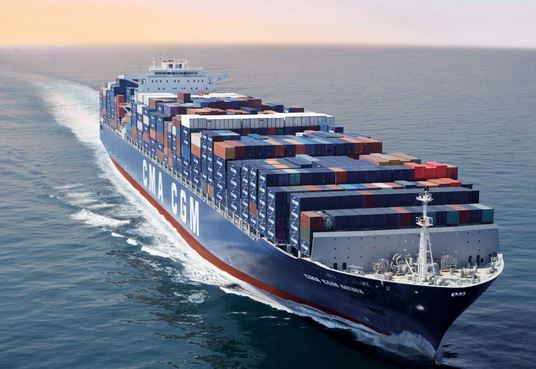
Global China Freight leverages long-term contracts with leading carriers such as COSCO, OOCL, and HMM to provide competitive freight rates for shipments from China to the UAE. We offer efficient sea freight services with 18–25 day transit times to Jebel Ali and Abu Dhabi, as well as fast air freight options with 3–5 day delivery to Dubai and Abu Dhabi. Our customized solutions include bulk consolidation, AI-powered route optimization, and specialized handling for e-commerce, pharmaceuticals, and hazardous goods—helping clients reduce logistics costs by up to 40%.
From factory pickup in China to final delivery across the UAE, Global China Freight manages the entire process, including customs clearance, VAT and duty procedures, and last-mile distribution. With Arabic-speaking agents in Dubai and 24/7 English support, we ensure smooth communication and a seamless logistics experience. One Dubai-based electronics retailer achieved a 32% reduction in shipping costs through our LCL consolidation service combined with blockchain-enabled tracking.
Global China Freight offers efficient and cost-effective sea freight services from China to major UAE ports, including Jebel Ali and Khalifa Port. With strong carrier partnerships such as COSCO, OOCL, and HMM, we secure competitive rates and stable space availability. Typical transit times range from 18–25 days, depending on the port of loading. Whether shipping electronics, machinery, construction materials, or retail products, our sea freight solutions ensure smooth, reliable, and economical delivery across the UAE.
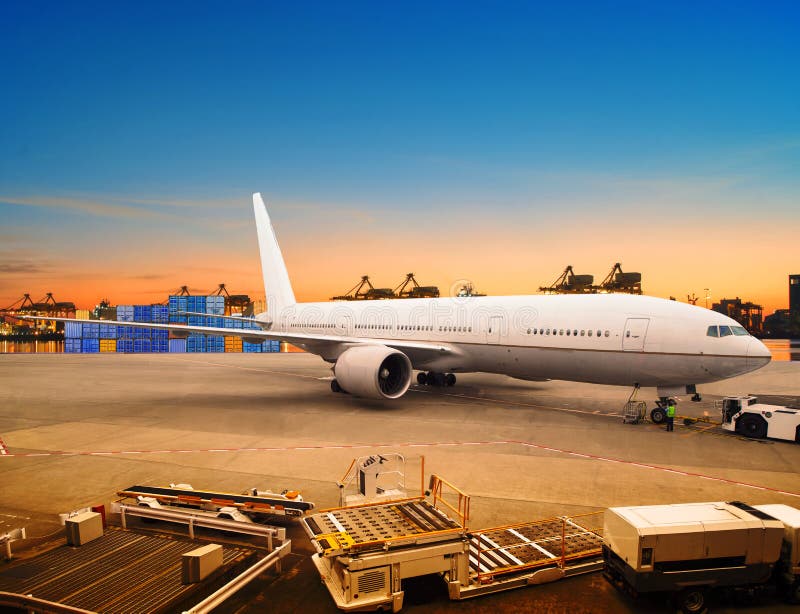
China to Dubai and Abu Dhabi within 3–5 days. Global China Freight selects optimal flights and handles every step—pickup, export clearance, cargo screening, customs procedures, and last-mile delivery. Our expertise in e-commerce parcels, pharmaceuticals, perishables, and high-tech products ensures compliance, speed, and safety throughout the entire journey.

Our door-to-door service offers a seamless logistics experience for businesses and individuals shipping to the UAE. From factory pickup in China to final delivery in Dubai, Abu Dhabi, Sharjah, or any other emirate, Global China Freight manages the full process—including customs clearance, VAT/duty handling, and local distribution. With Arabic-speaking agents and 24/7 English support, we ensure transparent communication and stress-free end-to-end delivery.

Global China Freight provides full-container-load (FCL) services supported by long-term carrier contracts, ensuring competitive rates and reliable scheduling. We coordinate container booking, loading supervision, export documentation, and delivery to ports such as Jebel Ali and Khalifa. FCL shipping is ideal for large-volume goods, including electronics, furniture, automotive parts, and industrial cargo requiring stable, secure transport.
For smaller shipments, our less-than-container-load (LCL) service offers a flexible and economical option. We provide regular consolidation from major Chinese ports, helping clients reduce freight costs significantly—often by 30–40%. Our LCL solution includes consolidation handling, documentation, customs clearance, VAT processing, and final delivery across all emirates, making it ideal for SMEs, e-commerce sellers, and mixed SKU shipments.
Global China Freight will provide most fuel efficient pickup service China
We provide free warehousing services for any of your goods.
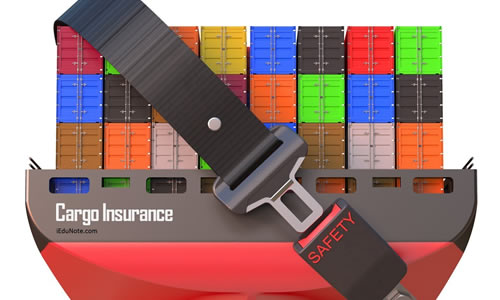
The cargo insurance protects your goods all the way to any Any FBA Warehouse

We handle all paperwork and other details for you.
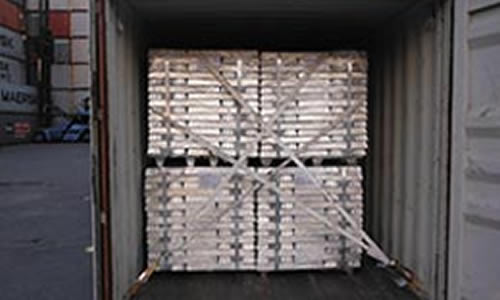
Ensure safe packaging and loading of goods in your suppliers' factory.
Air freight is the quickest option, taking 3–5 days to Dubai or Abu Dhabi airports. Emirates and China Eastern Airlines offer direct flights. For urgent small parcels, express couriers like DHL/UPS deliver in 3–5 days.
Sea freight rates start at $105 for a 20-foot container (18–25 days), while air freight averages $2.28–$10.50 per kg. Costs vary by route, cargo type, and season. LCL sea freight (shared container) is ideal for smaller shipments, costing $890+/cubic meter.
Mandatory documents include a commercial invoice, packing list, Bill of Lading/Air Waybill, and Certificate of Origin (Form E). Electronics may need CE certification, while food/medical goods require UAE Ministry of Health approval.
Partner with a freight forwarder for pre-clearance and accurate HS coding. Ensure compliance with UAE’s strict product safety standards (e.g., RoHS for electronics). Declare goods truthfully to avoid penalties.
A 5% import duty applies to most goods (excluding food/medical items), plus a 12% VAT on the CIF value (cost + insurance + freight). Luxury items like watches/jewelry may face higher duties (up to 30%).
Yes! LCL (Less-than-Container Load) services allow consolidation of goods from different suppliers, reducing per-unit costs. This is popular for e-commerce sellers using platforms like Amazon.ae.
Ports: Jebel Ali (Dubai), Abu Dhabi, and Sharjah.
Airports: Dubai International (DWC) and Abu Dhabi International (AUH) handle most air freight.
Reputable forwarders provide real-time tracking via blockchain or GPS. For air freight, use IATA’s Cargo 2000 standards for end-to-end visibility.
Door-to-door services include China pickup, international transport, UAE customs clearance (DDP option available), and local delivery. This is ideal for e-commerce businesses needing seamless logistics to Dubai Marina or Abu Dhabi Free Zones.
Look for companies with Arabic-speaking agents in Dubai, 24/7 support, and experience in UAE customs. Check certifications (e.g., IATA for air freight) and specialized services like temperature-controlled shipping for pharma goods.
Operations deal with the way the vehicles are operated, and the procedures set for this purpose, and policies. In the transport industry, operat ions and ownership of infrastructure can be either country.