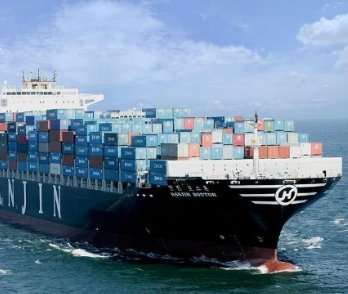
Many of our customers are based in Georgia, making it an increasingly important logistics market for us in the Caucasus region. Global China Freight has established long-term contract rates with major carriers such as COSCO, OOCL, APL, EMC, MSK, and HMM. These strong partnerships allow us to offer highly competitive freight rates for shipments from China to any port in Georgia, including Batumi and Poti.
With Global China Freight as your logistics partner, shipping goods from China to Georgia becomes simple and worry-free. Just hand over your cargo to us, and our team will handle everything—from pickup and export procedures to customs clearance and final delivery. We are committed to being your most reliable freight forwarder from China to Georgia. Request a better quote today.
Global China Freight provides reliable and cost-effective sea freight services from China to Georgia’s key ports, including Batumi and Poti. Through our long-term partnerships with COSCO, OOCL, APL, EMC, MSK, and HMM, we secure competitive rates and consistent container space. Whether you ship machinery, electronics, textiles, or commercial goods, our sea freight solutions ensure smooth ocean transport followed by efficient distribution across Georgia and neighboring regions.

For urgent or high-value cargo, our air freight service delivers fast and secure transport from China to Georgia. Global China Freight arranges optimal flight routes to Tbilisi International Airport, ensuring quick customs handling and reliable delivery times. From pickup and export documentation to import clearance and final distribution, we manage the entire process for seamless air logistics.

Our door-to-door service provides a complete end-to-end logistics solution for businesses and individual importers. Global China Freight handles everything—from factory pickup in China and export procedures to sea or air transport, Georgian customs clearance, and final delivery to Tbilisi, Kutaisi, Batumi, Rustavi, or any other destination. With strong local agents and full tracking visibility, we ensure a smooth and worry-free shipping experience.

Global China Freight offers full-container-load (FCL) shipping supported by competitive contract rates with major carriers. We manage container booking, loading supervision, export documentation, port operations in Batumi or Poti, and inland delivery. FCL is ideal for large-volume cargo such as machinery, construction materials, consumer goods, and industrial shipments that require secure and predictable transport.
For smaller shipments, our less-than-container-load (LCL) service provides a flexible and economical solution. We offer regular consolidations from major Chinese ports to Georgia, ensuring consistent schedules and cost efficiency. Our team manages consolidation handling, documentation, customs clearance, and final delivery—making LCL shipping an excellent option for SMEs, retailers, and mixed-SKU shipments.
Global China Freight will provide most fuel efficient pickup service China

We provide free warehousing services for any of your goods.

The cargo insurance protects your goods all the way to any Any FBA Warehouse

We handle all paperwork and other details for you.
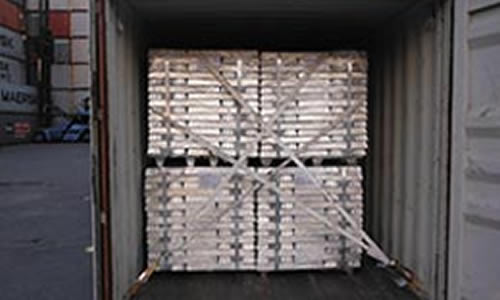
Ensure safe packaging and loading of goods in your suppliers' factory.
Several factors affect shipping time, including the mode of transport (air or sea), weather conditions, customs clearance, and the efficiency of the freight forwarder. Ocean freight typically takes longer (25 to 40 days), while air freight can reduce transit time to 5 to 10 days.
The choice of shipping route affects delivery times significantly. Direct routes generally shorten transit times, while indirect routes with multiple stops or transfers can extend the delivery period. The efficiency of port operations and the speed of transit through different countries also impact overall shipping times. Selecting the optimal route can help minimize delays and ensure timely delivery.
Weather conditions can influence shipping times by causing delays. For instance, storms, heavy rain, or fog can disrupt air or sea transport, leading to delays in departure or arrival. Shipping companies often account for weather-related risks, but unforeseen conditions can still affect the overall transit time.
Potential delays in international shipping from China to Georgia can include customs hold-ups, weather disruptions, port congestion, and logistical issues. Each of these factors can impact the timely delivery of shipments. Proper planning and management are essential to minimize and manage these delays effectively.
Delays can occur if shipments do not comply with customs regulations or if documentation is incomplete or inaccurate. Ensuring compliance and proper documentation helps expedite customs clearance.
Technologies like GPS, RFID, and online tracking systems allow real-time monitoring of shipments. These tools provide updates on the location and status of goods, enhancing visibility and control.
Use tamper-evident seals, secure storage facilities, and monitored loading/unloading processes. Implementing these measures helps deter theft and ensures the integrity of the shipment.
Develop contingency plans that include alternative routes, flexible scheduling, and backup transportation options. Keeping communication open with all parties involved also helps manage and mitigate delays.
Personnel should be trained in safe handling practices, compliance requirements, emergency response protocols, and specific procedures for dealing with hazardous materials. Regular training updates are also crucial.
Regularly review feedback, incident reports, and industry trends to identify areas for improvement. Implement new safety measures, update procedures, and invest in training to continually enhance freight safety and efficiency.
Operations deal with the way the vehicles are operated, and the procedures set for this purpose, and policies. In the transport industry, operat ions and ownership of infrastructure can be either country.