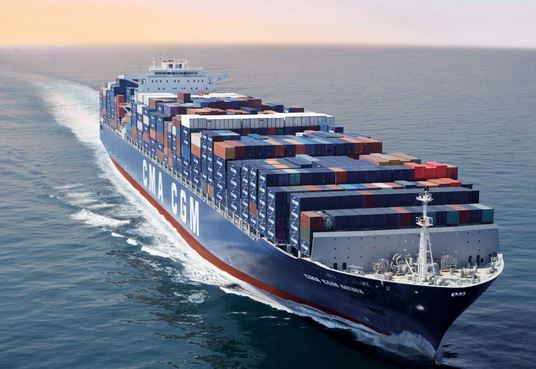
Many of our customers are based in Morocco, therefore it has become a very important market for us. We have secured contract rates with major carriers such as COSCO, OOCL, APL, EMC, MSK, and HMM. These partnerships allow us to offer highly competitive freight rates when shipping from China to any port in Morocco, including Casablanca, Tangier Med, and Agadir.
With Global China Freight as your logistics partner, shipping goods from China to Morocco becomes much easier—you only need to leave your goods with us, and we will handle the rest. Global China Freight aims to be your best freight forwarder from China to Morocco, providing reliable, efficient, and cost-friendly shipping solutions tailored to your business needs.
Global China Freight offers reliable and cost-effective sea freight services from China to Morocco, serving key ports such as Casablanca, Tangier Med, Agadir, and Kenitra. We provide both FCL and LCL options to accommodate shipments of any size. Through strong carrier partnerships, we ensure competitive rates, stable transit schedules, and professional cargo handling from China all the way to your Moroccan destination.

For time-sensitive or high-value cargo, Global China Freight provides fast and flexible air freight services to major airports in Morocco, including Casablanca Mohammed V International Airport (CMN) and Rabat–Salé Airport (RBA). Our team selects the best routing based on urgency, ensuring smooth customs clearance and timely delivery throughout the country.

Global China Freight offers a complete door-to-door shipping service from China to Morocco. We take care of supplier pickup, export documentation, international freight, customs coordination, and final delivery to cities such as Casablanca, Marrakech, Rabat, Tangier, Fez, Agadir, and more. Our fully managed logistics solution ensures convenience, visibility, and peace of mind.

FCL (Full Container Load) is the ideal choice for large-volume shipments to Morocco. With Global China Freight, you benefit from:
Exclusive use of a 20GP, 40GP, or 40HQ container
Faster transit times and reduced cargo handling
Enhanced cargo security
Smooth coordination from origin to destination
We manage every step—from loading at your supplier’s facility in China to ocean freight, customs processing, and delivery at your Moroccan warehouse or address. Real-time tracking and full documentation support are included.
Choose Global China Freight for efficient, reliable FCL shipping to Morocco.
LCL (Less than Container Load) shipping is perfect for small or medium-sized shipments that don’t require a full container. With Global China Freight, you only pay for the space your cargo occupies, making this an economical and flexible solution.
We handle:
Cargo consolidation in China
Ocean freight to Casablanca or Tangier Med
Customs clearance and handling
Optional inland delivery
With end-to-end visibility and professional management, your LCL shipment arrives safely and efficiently.
Choose Global China Freight for cost-effective and dependable LCL logistics to Morocco.
Global China Freight will provide most fuel efficient pickup service China

We provide free warehousing services for any of your goods.
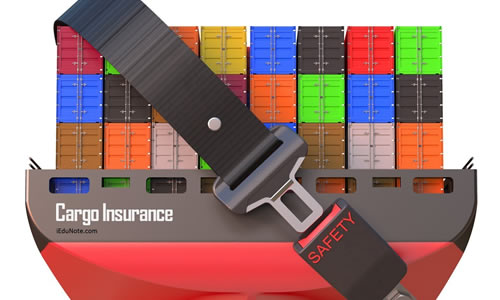
The cargo insurance protects your goods all the way to any Any FBA Warehouse

We handle all paperwork and other details for you.

Ensure safe packaging and loading of goods in your suppliers' factory.
Several factors can impact the shipping time from China to Morocco, including the chosen shipping method (sea or air), weather conditions, customs clearance procedures, and port congestion. Sea freight usually takes longer, typically 25-35 days, while air freight is faster but more expensive, taking around 5-10 days. Delays at ports due to congestion or customs inspections can also extend the shipping duration. Proper documentation and efficient logistics planning can help mitigate some of these delays.
The two primary shipping methods from China to Morocco are sea freight and air freight. Sea freight is more cost-effective for large shipments, usually taking 25-35 days. Air freight is faster, typically taking 5-10 days, but is more expensive and suited for smaller, urgent shipments. Each method has its advantages and is chosen based on the shipment's size, urgency, and budget considerations.
Shipping insurance is crucial for international shipments from China to Morocco as it protects against potential losses or damages during transit. It covers various risks, including theft, damage, and loss due to natural disasters. By ensuring the shipment, businesses can safeguard their investment, ensuring financial compensation in case of any mishaps. This is particularly important for high-value or fragile goods, providing peace of mind and reducing potential financial risks.
Key documents for shipping goods from China to Morocco include the bill of lading, commercial invoice, packing list, certificate of origin, and customs declaration forms. These documents facilitate customs clearance and ensure compliance with international trade regulations. Accurate and complete documentation helps avoid delays and penalties, streamlining the shipping process and ensuring the timely delivery of goods.
Port congestion can significantly impact shipping times from China to Morocco by causing delays in loading and unloading cargo. Congested ports may lead to extended waiting times for vessels, delaying the overall transit time. This can disrupt supply chains and increase shipping costs. Efficient port management and alternative routing can help mitigate the effects of congestion, ensuring smoother and more reliable shipping schedules.
Shipping costs from China to Morocco are influenced by factors such as the shipping method (sea or air), shipment size and weight, distance, and any additional services like insurance or expedited shipping. Sea freight is generally more economical for large shipments, while air freight is costlier but faster. It's essential to consider these factors and budget accordingly to optimize shipping expenses without compromising on delivery timelines.
Customs regulations play a crucial role in shipments from China to Morocco, impacting clearance times and costs. Compliance with import/export regulations, accurate documentation, and adherence to duties and taxes are essential to avoid delays and penalties. Understanding and preparing for these regulations ensures smoother customs clearance and timely delivery of goods, enhancing overall shipping efficiency.
Using a freight forwarder for shipping from China to Morocco offers numerous benefits, including expertise in logistics, efficient handling of documentation, and streamlined customs clearance. Freight forwarders can negotiate better shipping rates, provide tracking services, and manage the entire shipping process, ensuring timely and cost-effective delivery. Their experience in international shipping helps mitigate risks and enhances overall efficiency.
Commonly shipped goods from China to Morocco include electronics, textiles, machinery, furniture, and automotive parts. These goods are transported via sea or air freight, depending on their size, value, and urgency. The diverse range of products reflects the robust trade relationship between the two countries, with businesses relying on efficient shipping solutions to meet demand and maintain supply chain continuity.
To ensure timely delivery of shipments from China to Morocco, businesses should choose the appropriate shipping method, ensure accurate documentation, and work with reliable logistics providers. Planning ahead, monitoring shipments, and staying informed about potential delays (such as port congestion or customs issues) are crucial. Utilizing the services of a freight forwarder can also enhance efficiency and reliability, ensuring shipments arrive on schedule.
Operations deal with the way the vehicles are operated, and the procedures set for this purpose, and policies. In the transport industry, operat ions and ownership of infrastructure can be either country.