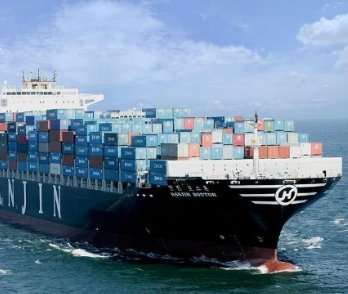
Many of our customers are based in Jordan, making it an important market for Global China Freight. We have established long-term contract rates with major carriers such as COSCO, OOCL, APL, EMC, Maersk, and HMM. These strong partnerships allow us to offer highly competitive freight rates when shipping from China to any port in Jordan.
With Global China Freight as your logistics partner, shipping goods from China to Jordan becomes much easier. Simply leave your goods with us, and we will take care of everything—from supplier pickup and export documentation to international freight and Jordan-side coordination. Global China Freight strives to be your best freight forwarder from China to Jordan, providing dependable, efficient, and cost-effective logistics solutions.
Global China Freight offers reliable and cost-effective sea freight solutions to Jordan’s major ports, including Aqaba Port, the country’s primary maritime gateway. With long-term partnerships with carriers such as COSCO, OOCL, APL, EMC, Maersk, and HMM, we secure competitive contract rates and stable vessel schedules throughout the year. Sea freight is ideal for large-volume shipments, commercial goods, machinery, construction materials, furniture, electronics, and retail products. Our team manages export documentation, customs procedures, container handling, and coordinatio

For urgent or high-value cargo, Global China Freight provides fast and secure air freight services to Jordan, with direct or transit routes to Queen Alia International Airport (AMM). We work closely with reputable airlines to ensure reliable transit times, priority handling, and real-time tracking updates. Whether shipping electronics, medical supplies, fashion goods, spare parts, or time-sensitive orders, our air freight solutions deliver speed, accuracy, and full visibility from pickup to arrival.

Global China Freight simplifies your logistics process with comprehensive door-to-door delivery services. We manage factory pickup anywhere in China, export customs clearance, international transportation, Jordan-side handling, and final delivery to your warehouse or designated address. This end-to-end solution is ideal for importers who want a fully managed, hassle-free shipping experience, ensuring smooth operations and reliable transit times from China to Jordan.

FCL (Full Container Load) shipping is the best option for large-volume shipments requiring secure, dedicated container space. Global China Freight offers 20GP, 40GP, and 40HQ containers with guaranteed space and contract-rate pricing through our carrier partnerships.
We handle container pickup, cargo loading supervision, VGM submission, export documentation, and shipping line coordination. Containers are shipped directly to Aqaba Port, where our partner agents ensure efficient clearance and final delivery.
FCL is ideal for furniture, machinery, industrial equipment, electronics, wholesale merchandise, and commercial goods requiring stable and safe transportation.
For smaller shipments that do not require a full container, Global China Freight provides flexible and cost-efficient LCL consolidation services. We consolidate cargo weekly from key Chinese cities such as Shenzhen, Guangzhou, Ningbo, Shanghai, and Qingdao for shipment to Aqaba.
Our team handles warehousing, palletizing, labeling, export paperwork, consolidation, and Jordan-side coordination to ensure smooth deconsolidation and timely delivery.
LCL shipping is ideal for SMEs, distributors, e-commerce sellers, and mixed cargo shipments aiming to reduce costs while maintaining reliability and steady transit times.
Global China Freight will provide most fuel efficient pickup service China
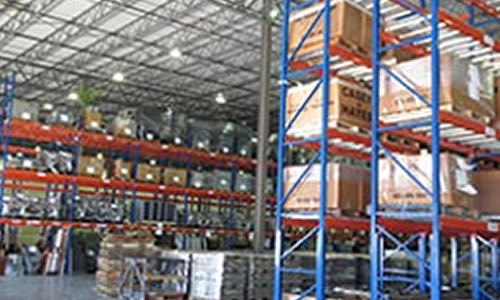
We provide free warehousing services for any of your goods.
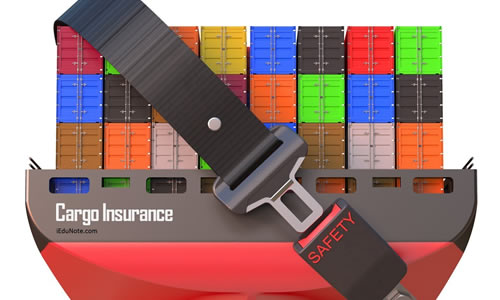
The cargo insurance protects your goods all the way to any Any FBA Warehouse

We handle all paperwork and other details for you.
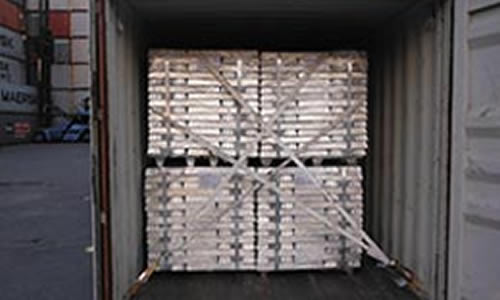
Ensure safe packaging and loading of goods in your suppliers' factory.
Shipping time from China to Jordan is influenced by factors such as the chosen shipping method (air or sea), customs clearance processes, specific shipping routes, and potential delays in transit.
To choose a reliable freight forwarder, research their safety protocols, compliance records, and customer reviews. Opt for companies with a proven track record and extensive experience in international shipping.
For fragile items, use ample padding materials like bubble wrap or foam. Ensure the items are snugly fitted in sturdy boxes to prevent movement and potential damage during transit.
Insurance is crucial for protecting shipments against potential losses, theft, or damage. It provides financial coverage and peace of mind, ensuring that high-value or sensitive items are safeguarded during transit.
International shipping regulations include customs laws, safety standards, and environmental guidelines. Compliance with these regulations ensures smooth transit and avoids delays or penalties.
Tracking technology allows real-time monitoring of shipments, providing updates on the location and status of goods. This helps address any issues promptly and ensures timely delivery.
Security measures include using sealed containers, secure storage facilities, and monitoring during loading and unloading. These steps help prevent theft and unauthorized access to shipments.
Conducting risk assessments helps identify potential hazards during transit and develop contingency plans. This proactive approach minimizes risks and ensures the safety of goods.
Personnel should be trained in safety procedures, compliance requirements, handling hazardous materials, and emergency response protocols. Proper training ensures safe and efficient handling of goods.
Regularly reviewing and updating safety practices based on feedback and industry developments helps improve efficiency, reduce risks, and ensure the secure delivery of shipments.
Operations deal with the way the vehicles are operated, and the procedures set for this purpose, and policies. In the transport industry, operat ions and ownership of infrastructure can be either country.