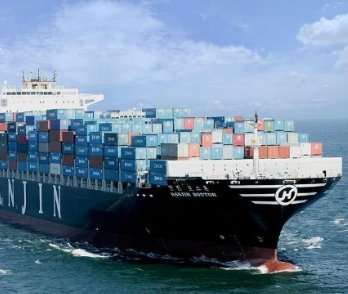
Many of our customers are based in Israel, making it an important market for our logistics services. Global China Freight has established long-term contract rates with major carriers such as COSCO, OOCL, APL, EMC, MSK, and HMM. These strong partnerships enable us to offer highly competitive freight rates when shipping from China to any port in Israel.
With Global China Freight as your logistics partner, shipping goods from China to Israel becomes simple and worry-free. Just hand over your cargo to us, and our team will manage the entire process—from pickup and export documentation to customs clearance and final delivery. We are committed to being your most reliable freight forwarder from China to Israel. Request a better quote today.
Global China Freight provides reliable and cost-effective sea freight services from China to major Israeli ports, including Haifa and Ashdod. With long-term contracts with carriers such as COSCO, OOCL, APL, EMC, MSK, and HMM, we offer competitive rates, stable sailing schedules, and dependable container space. Whether you're shipping electronics, machinery, home goods, textiles, or industrial equipment, our sea freight solutions ensure smooth and efficient delivery to Israel.
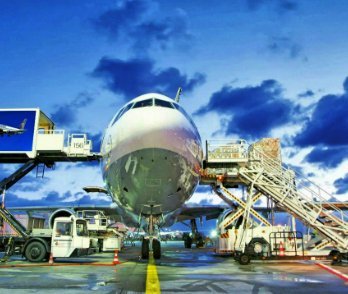
For time-sensitive or high-value shipments, our air freight service delivers fast, secure, and efficient transport from China to Israel. Global China Freight selects optimal routes to Tel Aviv and other Israeli airports, ensuring quick clearance and reliable delivery timelines. From pickup and export handling to customs procedures and final delivery, our team manages every detail to guarantee safe and timely arrival.

Our door-to-door service offers a complete logistics solution for businesses and individuals shipping to Israel. Global China Freight manages factory pickup in China, export documentation, sea or air transport, Israeli customs clearance, and last-mile delivery. With strong local partners and full visibility throughout the shipping process, we ensure a smooth, hassle-free experience from start to finish.

Global China Freight offers full-container-load (FCL) services supported by competitive carrier contracts and reliable space allocation. We coordinate container booking, loading, export procedures, and delivery to Haifa, Ashdod, or inland locations. FCL shipping is ideal for bulk cargo, commercial goods, machinery, and large shipments requiring secure and predictable transit.
For smaller shipments, our less-than-container-load (LCL) service provides a flexible and cost-effective alternative. We offer regular consolidation from major Chinese ports with smooth transit to Israel. Our team manages consolidation handling, documentation, customs clearance, and final delivery—ensuring reliable and efficient LCL shipping for SMEs, retailers, Amazon sellers, and mixed cargo shipments.
Global China Freight will provide most fuel efficient pickup service China
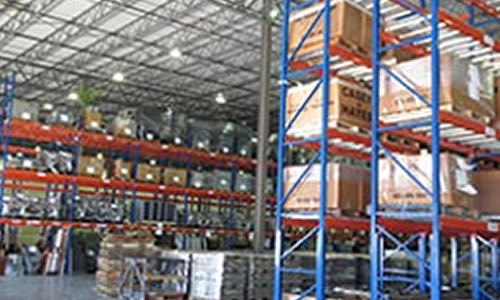
We provide free warehousing services for any of your goods.
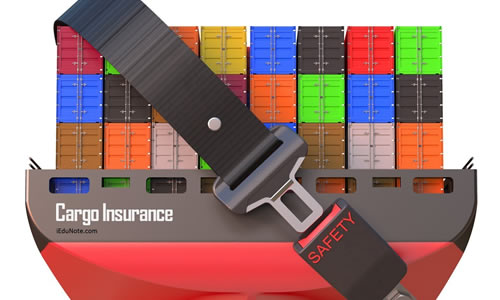
The cargo insurance protects your goods all the way to any Any FBA Warehouse

We handle all paperwork and other details for you.
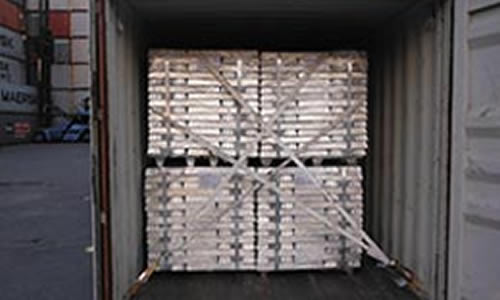
Ensure safe packaging and loading of goods in your suppliers' factory.
Shipping time from China to Israel is influenced by factors such as the chosen mode of transport (air or sea), the distance between ports, the efficiency of customs processing, and any delays caused by weather or logistical issues. Air freight is faster but more expensive, while sea freight is slower but more cost-effective.
You can track your shipment using tracking technology provided by your freight forwarder or carrier. Most services offer online tracking platforms where you can monitor your shipment’s progress in real-time, including updates on its location and estimated delivery time.
Customs requirements include proper documentation, such as a commercial invoice, packing list, and any required permits or certificates. Ensure compliance with Israeli import regulations and pay any applicable duties and taxes to facilitate smooth customs clearance.
Air freight is generally more expensive than sea freight due to its faster delivery time. The cost of air freight is based on weight and volume, while sea freight costs are influenced by container size and shipping routes. Choosing between them depends on urgency and budget.
To ensure safety, use high-quality packaging materials, secure insurance coverage, and select reputable freight forwarders. Implement security measures such as sealed containers and monitor shipments using tracking technology to prevent loss or damage.
Essential documentation includes the commercial invoice, packing list, bill of lading, and any specific certificates required for certain goods. Accurate and complete documentation helps avoid delays and ensures compliance with Israeli customs regulations.
Yes, certain items may be restricted or prohibited, including hazardous materials, perishable goods, and items requiring special permits. Check Israeli import regulations and consult with your freight forwarder to ensure your shipment complies with all restrictions.
If delayed, contact your freight forwarder for updates and possible reasons for the delay. They can provide information on the new estimated delivery time and assist in resolving any issues that may have caused the delay.
Shipping costs are calculated based on factors like weight, volume, shipping method (air or sea), and the route taken. Use cost calculators provided by freight forwarders or request quotes to get an accurate estimate based on your specific shipment details.
For high-value items, ensure you use secure packaging, obtain adequate insurance coverage, and work with experienced freight forwarders. Proper documentation and compliance with customs regulations are crucial to protect your investment and ensure safe delivery
Operations deal with the way the vehicles are operated, and the procedures set for this purpose, and policies. In the transport industry, operat ions and ownership of infrastructure can be either country.