

Logistics Company Solving Port Terminal Delays in 2026
Navigating modern global trade requires agility, especially when facing persistent infrastructure bottlenecks. At Global China Freight, we help businesses streamline their operations by providing reliable shipping solutions. Visit https://globalchinafreight.com/ to learn more about how our expertise simplifies complex international logistics and minimizes the impact of port congestion on your delivery schedule.

Why Port Terminal Delays Disrupt Your Supply Chain
Port congestion remains a critical challenge for global importers in 2026. When vessels wait at anchor, cargo handling slows down significantly.
Consequently, businesses experience unpredictable transit times and rising storage fees. Effective management of these delays is essential for maintaining consistent stock levels.
Furthermore, global logistics trends indicate that proactive communication is the best defense against these port-side bottlenecks.
Strategies Used by a Logistics Company Solving Port Terminal Delays
Expert logistics providers utilize real-time data to reroute vessels to less congested ports. By choosing the right sea freight partners, you can often bypass major gridlocks.
Additionally, many companies now leverage air freight for urgent stock replenishment to maintain market presence during peak congestion periods.
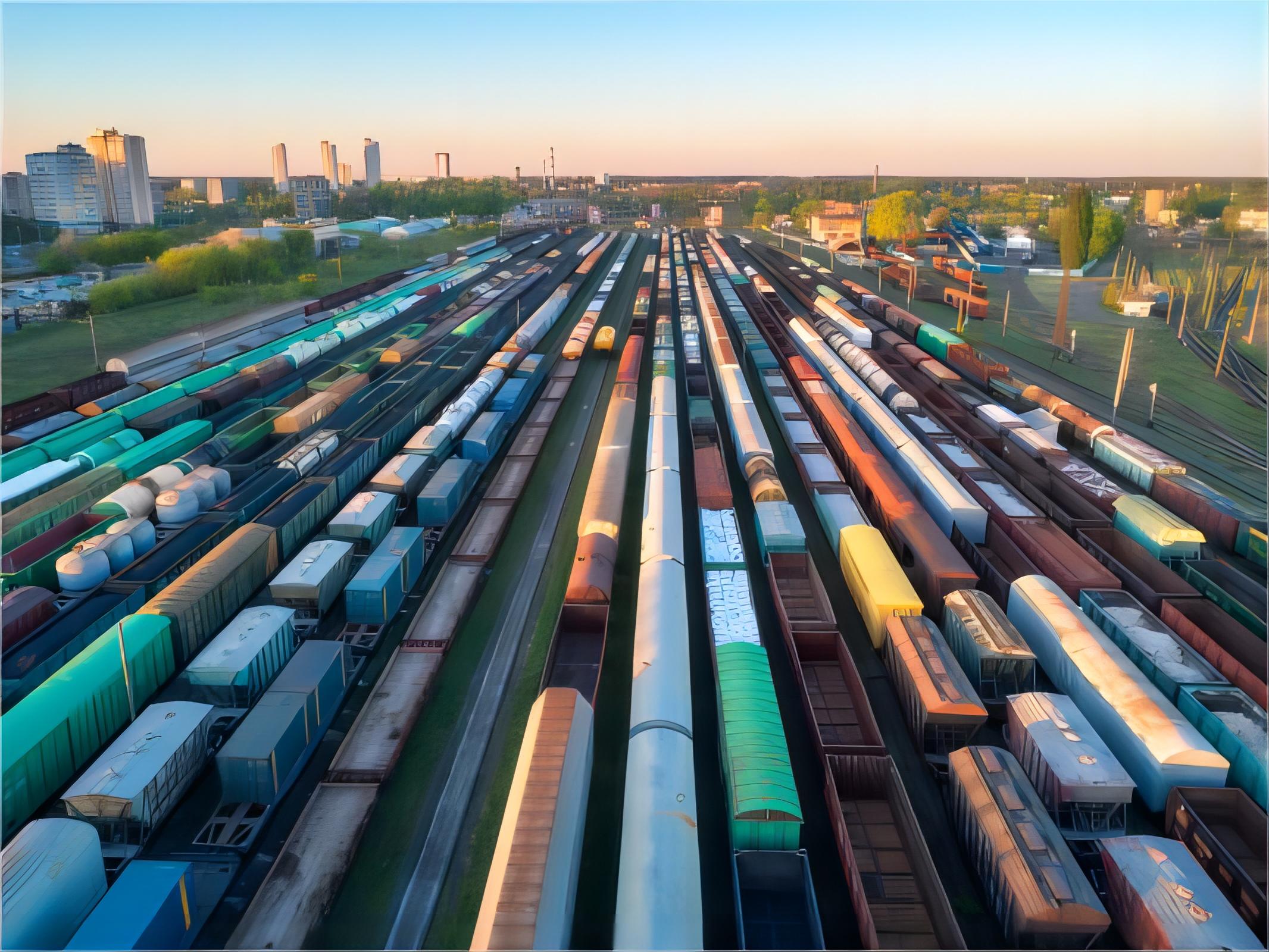
For bulk goods, utilizing rail freight serves as an excellent alternative, offering stability that sea routes sometimes lack in volatile markets.
How Does Sea Freight Compare to Other Shipping Options?
Choosing between transport modes depends on your specific budget and urgency. Below is a comparison to help you make informed decisions regarding your cargo.
Note: Freight rates are subject to change based on fuel costs, carrier capacity, and seasonal demand. Contact us for a current quote tailored to your specific shipment.
| Method | Cost | Transit Time | Best For |
|---|---|---|---|
| Sea Freight | Low | 25-40 Days | Large Volume |
| Air Freight | High | 3-7 Days | Urgent/Small |
| Rail Freight | Medium | 15-20 Days | Europe Route |

Optimizing Your Import Process
Smart importers often use customs brokerage services to ensure documentation is perfect, preventing secondary delays at the terminal.
Moreover, adopting door to door delivery services allows professionals to manage the entire transit chain, from pickup to final destination.
By integrating these services, you minimize the risk associated with port terminal delays effectively.
Mastering Global Logistics in 2026
In summary, a logistics company solving port terminal delays provides the necessary oversight to keep your business running smoothly. By diversifying your shipping methods and working with experienced partners, you can mitigate risks.
Stay ahead of the competition by planning your shipments with precision. Reliable logistics is the backbone of your success in the evolving global market.
Get Your Shipping Quote Today
Are you tired of waiting for your cargo? Our team is ready to optimize your logistics strategy today. Contact us now to request a quote and start moving your freight with efficiency.
Frequently Asked Questions
What causes the most common port terminal delays?
Common causes include labor shortages, surges in import volume, equipment maintenance issues, and weather-related disruptions that slow down container movement.
Can I avoid port delays by using rail freight?
Yes, rail freight is often less affected by sea-port congestion. It provides a reliable alternative for shipments between China and Europe, bypassing maritime bottlenecks.
How does customs brokerage help with delays?
Professional customs brokerage ensures your paperwork is accurate and submitted early. This prevents cargo from being held at the terminal due to administrative errors.
Is air freight cost-effective for large shipments?
Air freight is generally expensive for large shipments. It is best reserved for high-value items or urgent stock needed to prevent supply chain shutdowns.
What is the best way to track my cargo during delays?
Working with a professional logistics provider gives you access to real-time tracking systems, providing visibility into your cargo’s status throughout the entire journey.
How far in advance should I book my freight?
We recommend booking at least 3 to 4 weeks in advance, especially during peak seasons, to secure vessel space and avoid last-minute complications.