

Global Freight China Shipping Agent Customs Warehouse Service 2026 Solutions
Navigating the complexities of international trade requires a robust partner who understands the intricacies of the modern supply chain. Our Global China Freight team provides a comprehensive global freight china shipping agent customs warehouse service designed to streamline your import and export operations. Whether you are dealing with small parcels or massive industrial equipment, managing the logistics from China to the world demands precision and local expertise. In this guide, we explore how integrated logistics solutions can reduce your overhead while improving delivery timelines across various global markets.
✦
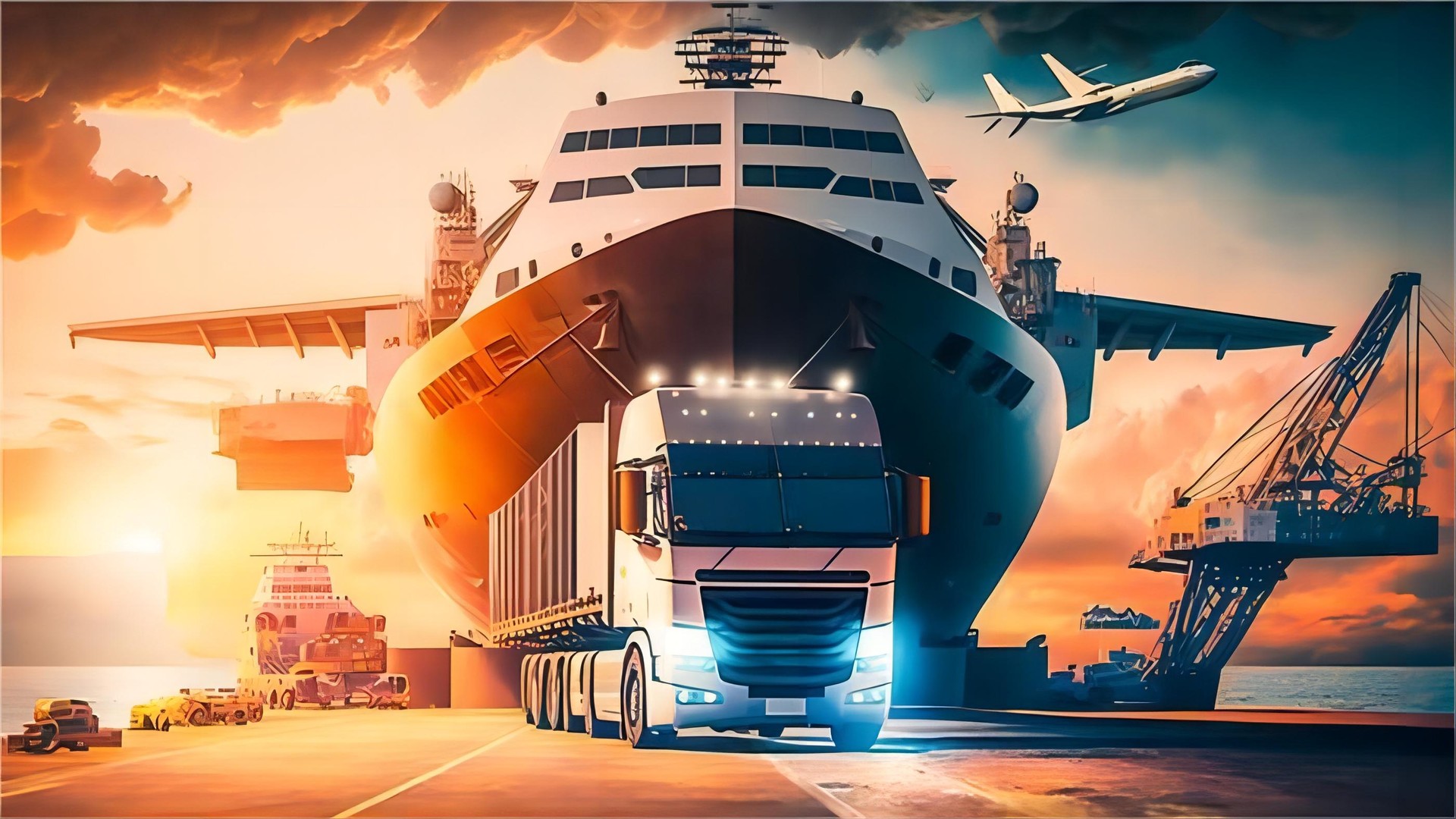
Why Choose a Global Freight China Shipping Agent Customs Warehouse Service?
Modern businesses face unprecedented challenges in 2026 regarding port congestion and fluctuating fuel costs. Consequently, having a single point of contact for your global freight china shipping agent customs warehouse service simplifies the entire communication chain. This integration ensures that your cargo moves seamlessly from the factory floor to the final destination without unnecessary delays.
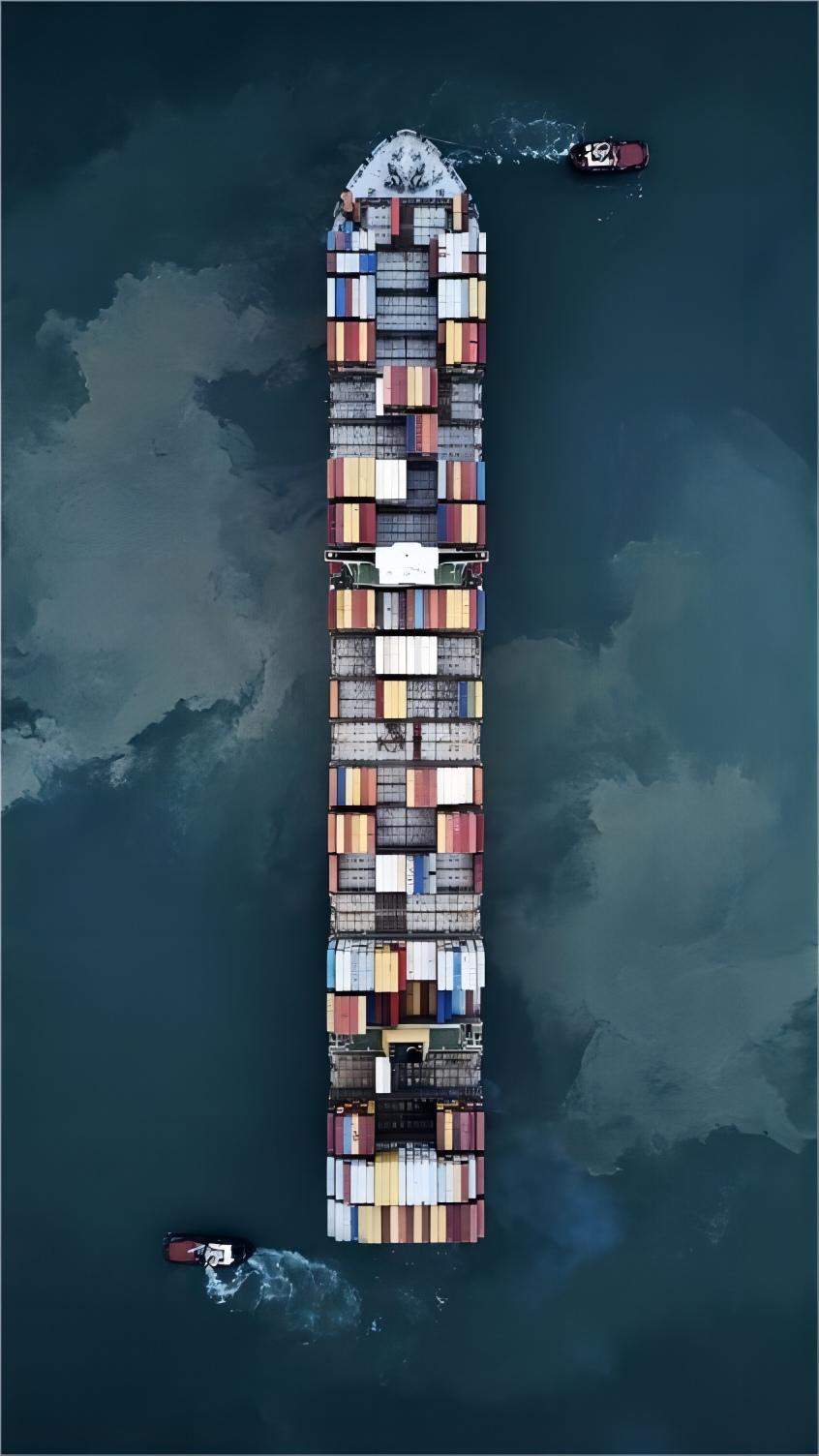
Furthermore, an experienced agent provides the visibility required to track shipments in real-time across multiple modes of transport. Because they handle everything from pick-up to documentation, you can focus on your core business activities. Meanwhile, the logistics experts mitigate risks associated with international shipping regulations and carrier availability.
Efficiency is the primary driver for successful global trade in the current market. Therefore, leveraging a partner that combines shipping, customs, and warehousing allows for better inventory management. In addition, this holistic approach often leads to significant cost savings through consolidated shipments and optimized routing strategies.
How Does Sea Freight Compare to Other Shipping Options?
Selecting the right transport mode is a critical decision that impacts both your budget and your customer satisfaction levels. While sea freight remains the most cost-effective solution for large volumes, it requires careful planning due to longer transit times. For instance, shipping a 40HQ container from Shanghai to Europe typically takes between 30 and 40 days depending on the specific route.
On the other hand, air freight offers unmatched speed for high-value or time-sensitive goods. Although the cost per kilogram is significantly higher, the reduction in lead time can justify the expense for certain product categories. Additionally, businesses must consider the environmental impact and carbon footprint of each method as sustainability regulations tighten in 2026.
Rail freight has emerged as a reliable middle ground for shipments between China and Europe. It offers faster delivery than ocean transport at a fraction of the cost of air cargo. Nevertheless, it is important to note that rail options are not available for routes to Australia or North America, making sea and air the primary choices for those regions.
| Shipping Method | Cost Range | Transit Time | Best For |
|---|---|---|---|
| Sea Freight (FCL) | $1,800 – $4,500 | 14 – 40 Days | Bulk Cargo |
| Air Freight | $5 – $12 per kg | 3 – 7 Days | Urgent Goods |
| Rail Freight | $2,000 – $3,500 | 18 – 25 Days | Mid-range Budget |
| Express Service | $8 – $15 per kg | 2 – 5 Days | Small Samples |
Navigating Complex Customs Brokerage and Compliance
Customs regulations are constantly evolving, and 2026 has introduced new digital filing requirements for exports from China. Utilizing a professional customs brokerage service ensures that all your documentation is accurate and compliant with both Chinese and destination country laws. As a result, you avoid costly fines and lengthy inspections at the border.
Specifically, your agent will manage the Harmonized System (HS) codes for your products to ensure the correct duties are applied. Moreover, they handle the preparation of the Bill of Lading, Commercial Invoice, and Packing List. Indeed, many shipments are delayed simply because of minor clerical errors that a professional agent would have caught immediately.
Compliance also extends to specialized cargo requirements, such as dangerous goods or agricultural products. Consequently, having an expert who understands the specific permits needed for different jurisdictions is invaluable. In light of this, businesses that invest in professional customs support often see a much smoother flow of goods through international ports.
Strategic Warehousing and Inventory Management in China
Warehousing plays a pivotal role in the global freight china shipping agent customs warehouse service ecosystem. By utilizing a warehouse in China, you can consolidate goods from multiple suppliers before shipping them out. For example, this allows you to fill a full container (FCL) rather than paying for multiple less-than-container load (LCL) shipments.
In addition, modern warehouses offer value-added services such as labeling, kitting, and quality control inspections. This means your products are retail-ready the moment they arrive at the destination. Furthermore, bonded warehouses allow you to store goods without paying duties until they are actually exported, significantly improving your cash flow.
Distribution centers located near major ports like Ningbo or Shenzhen reduce inland transport costs and lead times. Therefore, choosing a shipping agent with a strong warehouse network is essential for supply chain optimization. Without a doubt, the ability to store and manage inventory close to the source provides a competitive advantage in a fast-paced market.
Evaluating Alternative Shipping Strategies for 2026
For businesses looking to balance cost and speed, hybrid solutions like sea-air combinations are becoming increasingly popular. This strategy involves shipping goods via sea to a transit hub and then flying them to the final destination. Consequently, you achieve a faster delivery than pure sea freight while keeping costs lower than pure air freight.
Another alternative is the use of rail freight for transcontinental routes where geography permits. This is particularly effective for heavy machinery or automotive parts moving from China to Central Europe. However, you must always account for potential geopolitical shifts that might affect land-based routes.
Direct shipping routes are often preferred for their simplicity, but transshipment via major hubs like Singapore or Port Klang can sometimes offer lower rates. Although transshipment adds a few days to the transit time, the cost savings can be substantial for non-urgent shipments. Ultimately, your choice should depend on your specific inventory turnover requirements and budget constraints.
| Strategy | Cost Impact | Time Impact | Best Application |
|---|---|---|---|
| Direct Route | Higher Cost | Fastest Sea | High Priority |
| Transshipment | 10-15% Saving | +5-7 Days | Cost Sensitive |
| Sea-Air Hybrid | Moderate | Moderate | E-commerce |
Case Studies: Real-World Logistics Success in 2026
Case Study 1: Electronics Distribution to Europe. Route: Shenzhen, China to Rotterdam, Netherlands. Cargo: Consumer Electronics, 28 CBM, 4500 kg. Container: 40GP. Shipping Details: Carrier: Major carrier, Port of Loading: Shenzhen, Port of Discharge: Rotterdam. Route Type: Direct. Cost Breakdown: Ocean Freight: $3,400, Origin Charges: $450, Destination Charges: $600, Customs: $200. Total Landed Cost: $4,650. Timeline: Booking to Loading: 3 days, Sea Transit: 32 days, Customs: 2 days. Total Door-to-Door: 37 days. Key Insight: Early booking during the Q3 peak season saved the client 15% on freight rates.
Case Study 2: Furniture Import to Australia. Route: Ningbo, China to Melbourne, Australia. Cargo: Home Furniture, 12 CBM, 2200 kg. Container: LCL. Shipping Details: Carrier: Regional carrier, Port of Loading: Ningbo, Port of Discharge: Melbourne. Route Type: Direct. Cost Breakdown: Ocean Freight: $1,100, Origin Charges: $300, Destination Charges: $400, Customs: $150. Total Landed Cost: $1,950. Timeline: Booking to Loading: 4 days, Sea Transit: 16 days, Customs: 3 days. Total Door-to-Door: 23 days. Key Insight: Utilizing a warehouse for consolidation reduced the total shipping cost by 20% compared to shipping individual pieces.
Case Study 3: Industrial Parts to North America. Route: Shanghai, China to Los Angeles, USA. Cargo: Steel Components, 18 CBM, 8000 kg. Container: 20GP. Shipping Details: Carrier: Trans-Pacific carrier, Port of Loading: Shanghai, Port of Discharge: Los Angeles. Route Type: Direct. Cost Breakdown: Ocean Freight: $2,100, Origin Charges: $400, Destination Charges: $550, Customs: $300. Total Landed Cost: $3,350. Timeline: Booking to Loading: 2 days, Sea Transit: 15 days, Customs: 2 days. Total Door-to-Door: 19 days. Key Insight: Professional documentation prep prevented a potential 5-day delay at the US border.
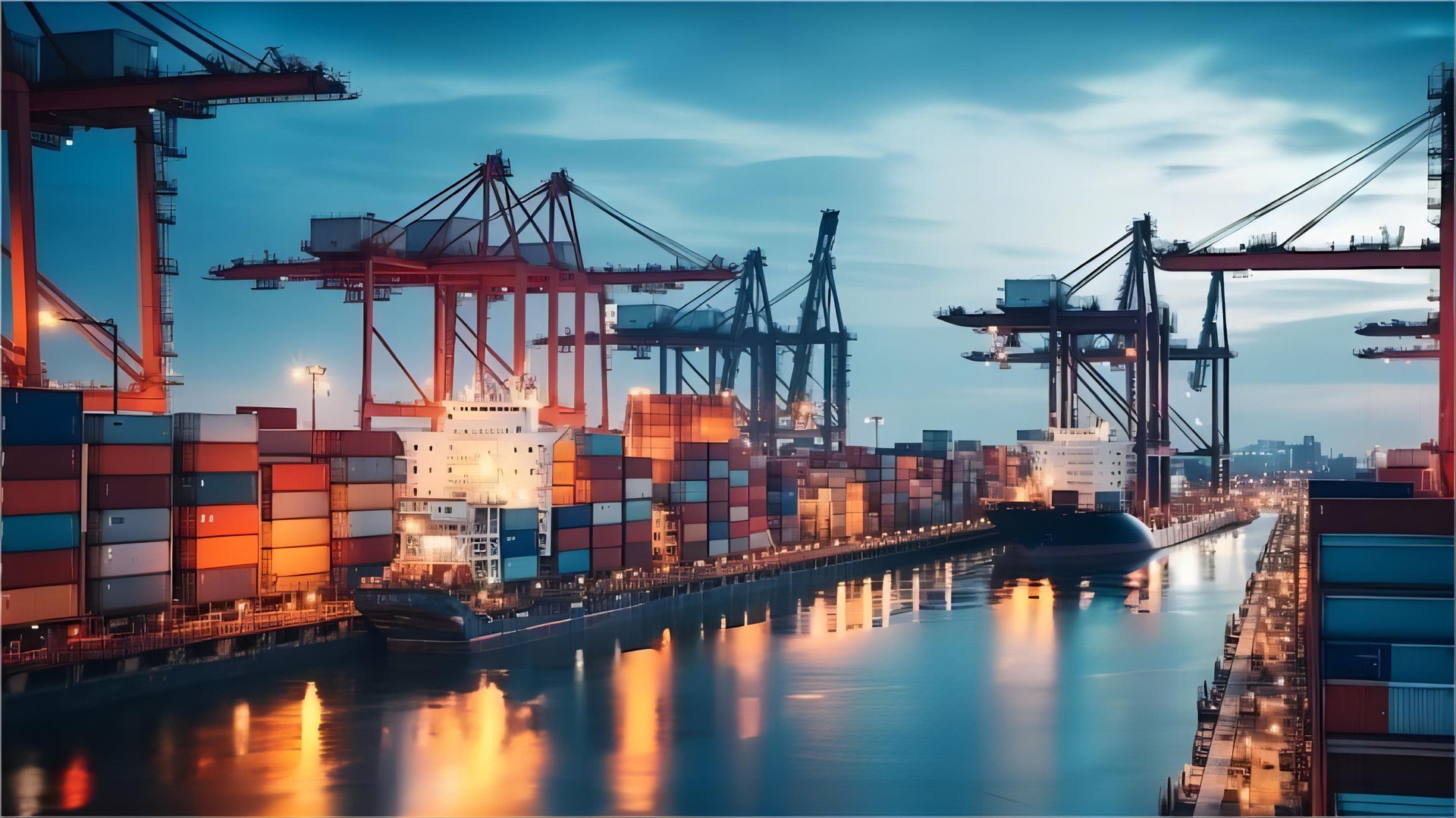
Which Logistics Option Should You Choose?
Determining the best path for your cargo depends on several key variables including budget, urgency, and cargo volume. If your priority is minimizing costs and you have a flexible schedule, sea freight is the logical choice. Conversely, if you are launching a new product and need it on shelves immediately, air freight or express services are necessary.
For shipments that fall between these extremes, consider door to door services that combine multiple modes of transport. This approach provides the convenience of a single invoice and end-to-end responsibility. In addition, it often includes the warehouse and customs steps, making it the most user-friendly option for small to medium enterprises.
Volume thresholds also play a major role in your decision. For example, once your shipment exceeds 15 CBM, it is often more economical to book a full 20GP container rather than using LCL. Meanwhile, very small shipments under 100 kg are almost always best handled by express couriers who have their own customs clearance channels.
Understanding 2026 Freight Market Trends and Rates
As of early 2026, freight rates from China have stabilized after the fluctuations seen in previous years. However, seasonal demand during the Golden Week in October and the lead-up to the Lunar New Year still causes temporary price spikes. Therefore, planning your shipments at least 4-6 weeks in advance is highly recommended to secure the best rates.
Digitalization is another major trend, with many shipping agents now offering automated quoting and booking platforms. This shift allows for faster decision-making and better data integration with your own ERP systems. Nevertheless, the human element remains vital for handling exceptions and complex customs issues that automated systems might miss.
Note: Freight rates are subject to change based on fuel costs, carrier capacity, and seasonal demand. Contact us for a current quote tailored to your specific shipment. Market data suggests that rates for 2026 will remain relatively steady, provided there are no major global disruptions.
Mastering Your Global Logistics Strategy
In conclusion, managing international shipments requires a strategic approach that integrates various logistics components. By choosing a comprehensive global freight china shipping agent customs warehouse service, you ensure that your goods are handled with care and efficiency from start to finish. This not only reduces your operational stress but also enhances your bottom line through smarter shipping choices.
As the market continues to evolve in 2026, staying informed about transit times and customs requirements will be essential for success. Whether you utilize sea, air, or rail, the key is to work with a partner who can adapt to your changing needs. Trusting a professional agent allows you to navigate the complexities of global trade with confidence and ease.
Ready to optimize your supply chain with a reliable global freight china shipping agent customs warehouse service? Contact our experts today for a customized quote and professional logistics advice. Visit our inquiry page to get started: Send Inquiry
Frequently Asked Questions
What is included in a global freight china shipping agent customs warehouse service?
How long does customs clearance take in China?
Are warehouse services in China expensive?
Can a shipping agent handle all types of cargo?
What are the benefits of using a bonded warehouse?
How do I choose between FCL and LCL shipping?
What documents are needed for international shipping from China?
How do 2026 shipping rates compare to previous years?