

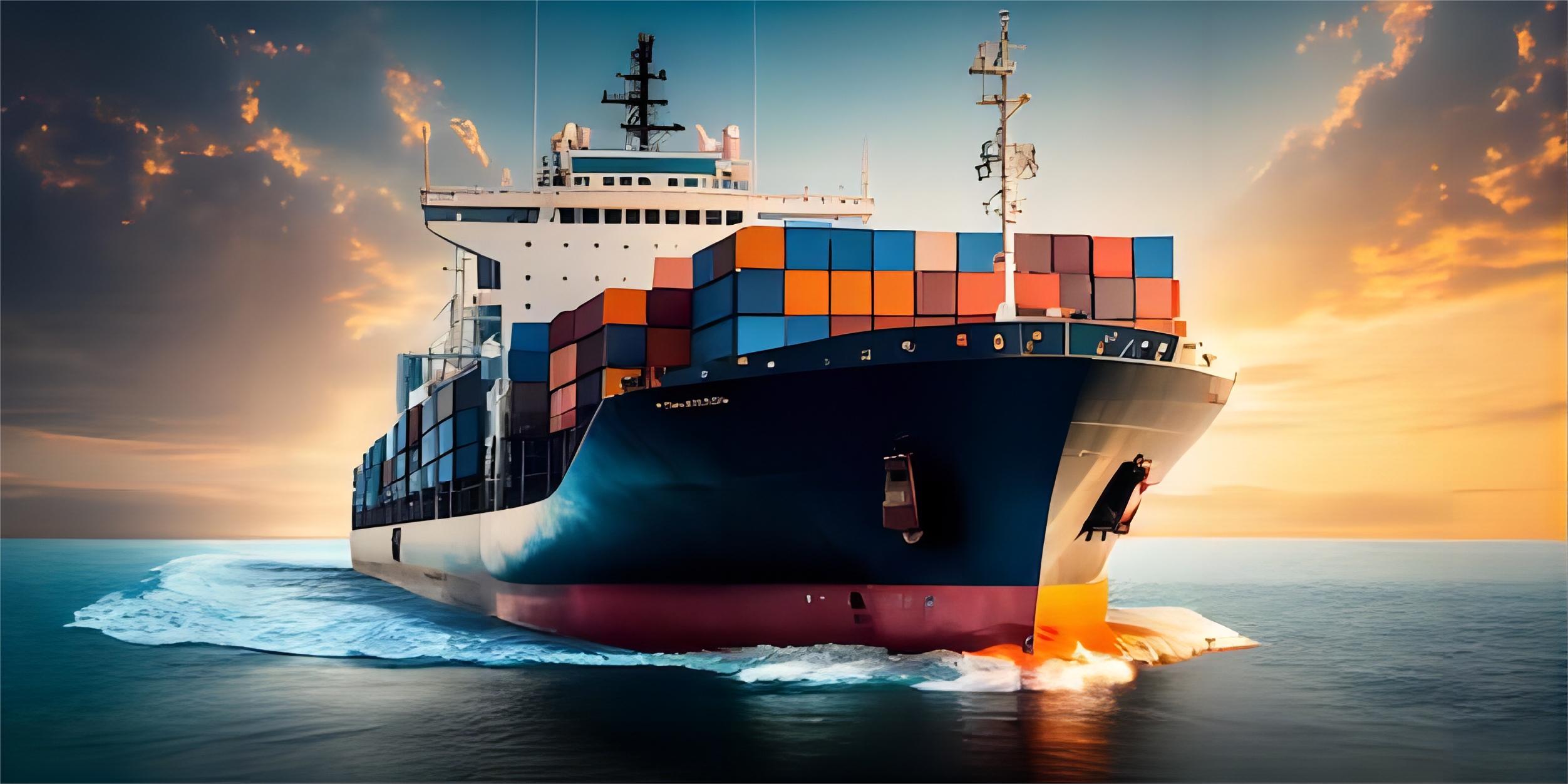
China Shipping Company International Logistics Door Delivery: 2026 Guide
Selecting a premier Global China Freight partner is the most critical decision for modern importers looking to streamline their supply chain. Managing a China shipping company international logistics door delivery process involves coordinating complex pickup, international transit, and final mile distribution logistics. Consequently, businesses must evaluate providers based on their ability to handle diverse cargo types while maintaining strict delivery schedules in the 2026 market.

What is a China Shipping Company International Logistics Door Delivery Service?
A comprehensive door-to-door service manages the entire journey of your goods from the manufacturer’s warehouse in China directly to your specified destination. Furthermore, this model eliminates the need for importers to coordinate with multiple third-party logistics providers or handle complex port procedures independently. Indeed, the shipping company takes full responsibility for the cargo, including local pickup, export clearance, ocean or air transit, and final delivery.
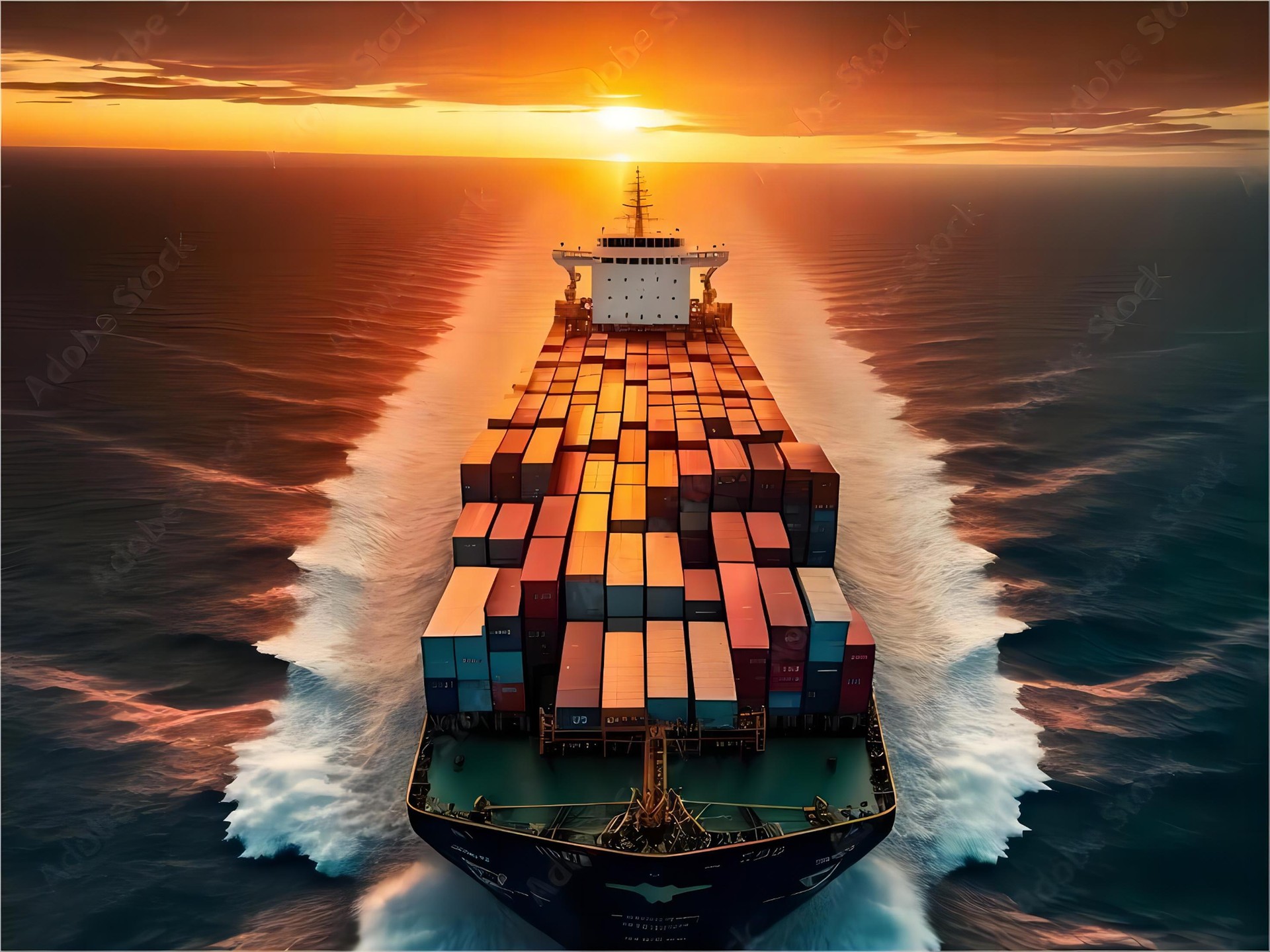
Moreover, this integrated approach significantly reduces the risk of communication gaps that often occur when using separate entities for different legs of the journey. Therefore, businesses can focus on their core operations while the logistics experts handle the minutiae of international trade. Most professional agencies now offer real-time tracking, allowing you to monitor your shipment’s progress across every milestone of the international logistics chain.
Additionally, utilizing a door to door service often results in more predictable landed costs. Because the provider bundles various fees into a single quote, you avoid the surprise of hidden port charges or unexpected storage fees at the destination. Consequently, this transparency is invaluable for small to medium enterprises that need to maintain tight control over their profit margins.
How Does Sea Freight Compare to Other Shipping Options?
Evaluating different transport modes is essential for optimizing your logistics strategy based on budget and urgency. While sea freight remains the most economical choice for large volumes, it requires careful planning due to longer transit times. On the other hand, air freight offers unmatched speed for high-value or perishable items that must reach the market quickly.
Furthermore, rail freight has emerged as a powerful middle-ground solution for shipments destined for Europe or Central Asia. It provides a faster alternative to sea transport while remaining significantly cheaper than air freight. Nevertheless, each method has specific limitations regarding cargo weight, hazardous material restrictions, and seasonal availability that importers must consider before booking.
In addition, hybrid solutions like sea-air combinations are gaining popularity in 2026 to balance costs and speed. For instance, a shipment might travel by sea from China to a hub like Dubai and then finish the journey via air to Europe or North America. This strategy often saves 30-40 percent in costs compared to pure air freight while cutting transit time by half compared to pure sea freight.
| Shipping Method | Cost Range | Transit Time | Best For |
|---|---|---|---|
| Sea Freight (FCL) | $1,500 – $4,500 | 14 – 40 Days | Bulk Goods & Large Volumes |
| Air Freight | $4.50 – $9.00/kg | 3 – 7 Days | High-Value & Urgent Cargo |
| Rail Freight | $1,200 – $2,800 | 15 – 22 Days | Mid-sized Europe Shipments |
| Express Service | $7.00 – $15.00/kg | 2 – 5 Days | Small Samples & Documents |
Which Shipping Option Should You Choose in 2026?
Deciding on the right method depends largely on your specific business priorities and the nature of your products. If your primary goal is budget optimization, sea freight is the clear winner for any shipment exceeding 2 cubic meters. However, if you are launching a new product or replenishing low stock, the speed of air freight justifies the higher investment.
Meanwhile, rail freight is the optimal choice for businesses shipping to Europe who want to reduce their carbon footprint without the slow speeds of ocean transit. You should also consider the volume of your cargo; for example, Less than Container Load (LCL) is ideal for smaller shipments, whereas Full Container Load (FCL) offers better security and lower per-unit costs for large batches.
Consequently, we recommend a diversified approach to logistics. For instance, you might ship 80 percent of your inventory via sea to keep costs low and 20 percent via air to ensure you never run out of stock during peak seasons. This balanced strategy helps mitigate risks associated with port congestion or sudden spikes in consumer demand.
Real-World Shipping Case Studies from China
Case Study 1: Electronics from Shenzhen to Los Angeles. Route: Shenzhen Port to Port of Los Angeles. Cargo: Consumer Electronics, 28 CBM, 4500 kg. Container: 40GP. Shipping Details: Carrier: COSCO. Port of Loading: Shenzhen. Port of Discharge: Los Angeles. Route Type: Direct. Cost Breakdown: Ocean Freight: $3,200. Origin Charges: $450. Destination Charges: $600. Customs and Duties: $1,200. Total Landed Cost: $5,450. Timeline: Booking to Loading: 4 days. Sea Transit: 16 days. Customs Clearance: 2 days. Total Door-to-Door: 25 days. Key Insight: Early booking during the Q3 peak season avoided a 15 percent rate hike.
Case Study 2: Industrial Parts from Ningbo to Hamburg. Route: Ningbo Port to Port of Hamburg. Cargo: Machine Components, 12 CBM, 3200 kg. Container: LCL. Shipping Details: Carrier: Maersk. Port of Loading: Ningbo. Port of Discharge: Hamburg. Route Type: Transshipment via Singapore. Cost Breakdown: Ocean Freight: $1,100. Origin Charges: $300. Destination Charges: $500. Customs and Duties: $900. Total Landed Cost: $2,800. Timeline: Booking to Loading: 5 days. Sea Transit: 32 days. Customs Clearance: 3 days. Total Door-to-Door: 45 days. Key Insight: Using LCL saved the client $1,400 compared to a half-empty 20GP container.
Case Study 3: Fashion Apparel from Shanghai to Sydney. Route: Shanghai Port to Port of Brisbane. Cargo: Textiles, 5 CBM, 800 kg. Container: LCL. Shipping Details: Carrier: OOCL. Port of Loading: Shanghai. Port of Discharge: Brisbane. Route Type: Direct. Cost Breakdown: Ocean Freight: $650. Origin Charges: $200. Destination Charges: $400. Customs and Duties: $550. Total Landed Cost: $1,800. Timeline: Booking to Loading: 3 days. Sea Transit: 14 days. Customs Clearance: 2 days. Total Door-to-Door: 22 days. Key Insight: Direct routing to Australia prevented delays often seen in transshipment hubs.
What are the Essential Customs Documents for International Logistics?
Navigating the legal requirements of international trade is often the most daunting aspect for new importers. Without a doubt, accurate documentation is the foundation of a successful China shipping company international logistics door delivery operation. Missing or incorrect paperwork can lead to severe delays, expensive fines, and even cargo seizure by customs authorities.
Accordingly, you must ensure that your commercial invoice, packing list, and bill of lading are perfectly aligned. Furthermore, specific products may require additional certifications, such as a Certificate of Origin or safety data sheets for chemical goods. Working with a professional customs brokerage service is the most effective way to ensure compliance with ever-changing import regulations.
Moreover, the 2026 regulatory landscape has introduced stricter digital filing requirements for shipments entering North America and Europe. Therefore, your logistics partner must be proficient in using automated manifest systems to prevent administrative bottlenecks. Indeed, proactive document management is the key to achieving rapid customs clearance and maintaining your delivery schedule.
| Document Name | Purpose | Required By | Key Information |
|---|---|---|---|
| Commercial Invoice | Value Declaration | Customs | Price, Terms, Parties |
| Packing List | Physical Content | Warehouse/Customs | Weight, Dimensions, Units |
| Bill of Lading | Contract of Carriage | Carrier | Route, Consignee, Notify |
| Certificate of Origin | Duty Calculation | Customs | Manufacturing Country |
How to Calculate Total Landed Costs for International Logistics?
Understanding your total landed cost is vital for determining the retail price and profitability of your imported goods. Besides the base freight rate, you must account for insurance, terminal handling charges, and inland trucking fees at both ends. Additionally, import duties and taxes often represent a significant portion of the total expenditure, varying greatly depending on the product’s HS code.
Consequently, many businesses prefer DDP (Delivered Duty Paid) terms when working with a China shipping company. Under these terms, the seller or shipping agent handles all costs, including duties, providing you with a single, all-inclusive price. On the other hand, DDU (Delivered Duty Unpaid) might offer more control over the customs process if you have an established relationship with local authorities.
Furthermore, you should always include a buffer of 5-10 percent in your budget for unforeseen expenses like port congestion surcharges or storage fees. Indeed, market volatility in 2026 means that fuel prices can fluctuate rapidly, affecting the final invoice. To summarize, a detailed cost analysis before the ship leaves the port is the only way to ensure your business remains profitable.
What Are the Current 2026 Logistics Trends in China?
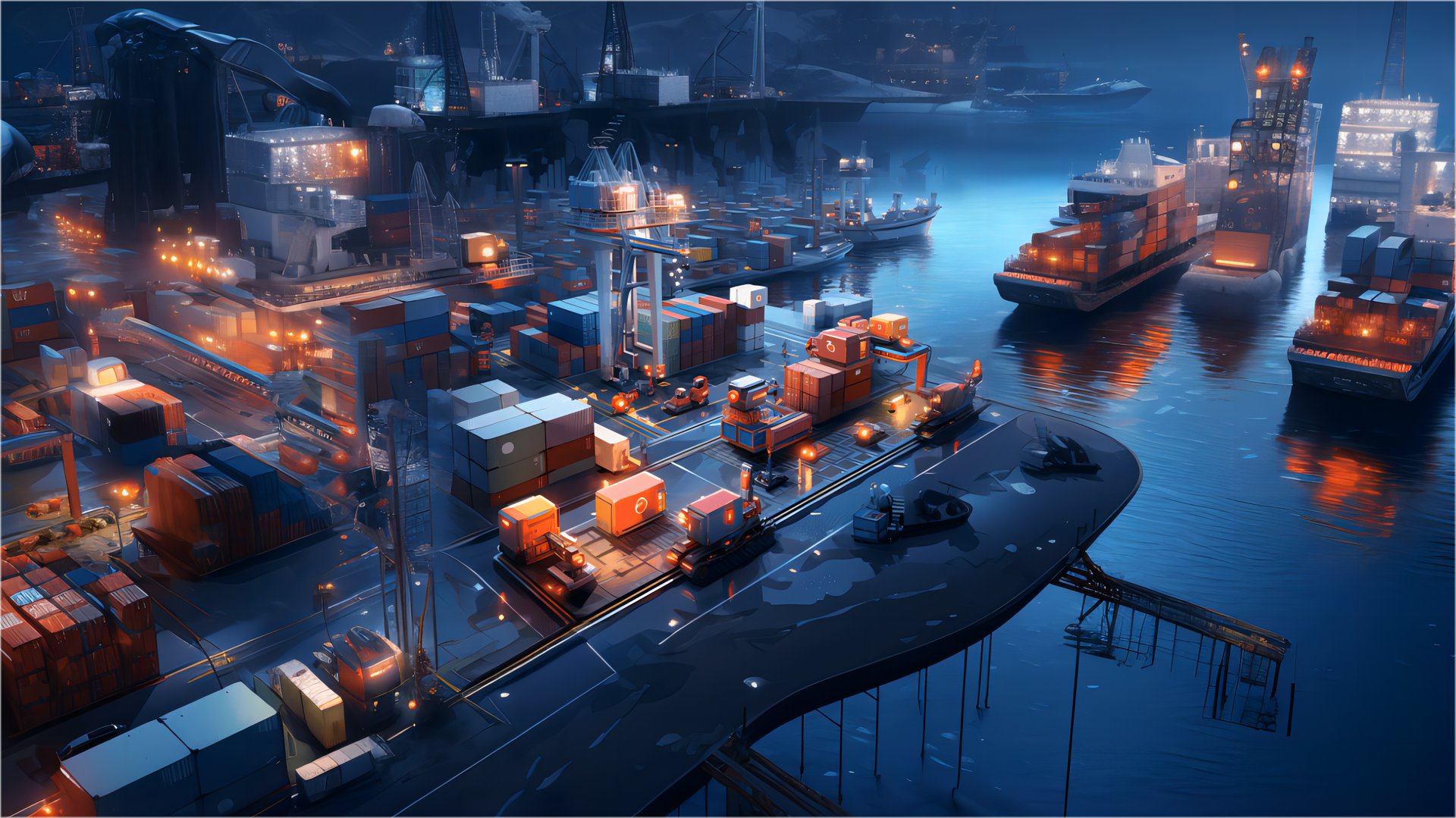
The logistics industry in China is undergoing a massive digital transformation in 2026, driven by artificial intelligence and automation. Specifically, smart warehouses in major hubs like Ningbo and Shanghai are significantly reducing the time required for cargo consolidation and sorting. Moreover, the integration of blockchain technology is providing unprecedented transparency in the supply chain, allowing importers to verify every step of the journey.
Additionally, there is a growing emphasis on green logistics as global environmental regulations become more stringent. Many shipping lines are now deploying LNG-powered vessels and electric delivery trucks for the final mile of the door-to-door process. Consequently, choosing a sustainable logistics partner can enhance your brand’s reputation among eco-conscious consumers while potentially reducing carbon taxes in certain jurisdictions.
Furthermore, the expansion of the Belt and Road Initiative continues to improve rail freight infrastructure across Eurasia. This development has made rail a more reliable and frequent option for businesses looking to bypass maritime bottlenecks. Indeed, staying informed about these trends is essential for any business that relies on a China shipping company international logistics door delivery service to remain competitive.
Final Thoughts on Choosing a China Shipping Company
In conclusion, navigating the complexities of a China shipping company international logistics door delivery service requires a strategic approach and a reliable partner. By understanding the differences between sea, air, and rail freight, you can make informed decisions that balance cost and speed effectively. Furthermore, accurate documentation and a clear understanding of landed costs are essential for maintaining a profitable import business.
As we move through 2026, the logistics landscape will continue to evolve with new technologies and shifting market dynamics. Therefore, staying adaptable and proactive in your logistics planning is the best way to ensure long-term success. Whether you are shipping small samples or full containers, the right logistics strategy will provide your business with a significant competitive advantage in the global marketplace.
Note: Freight rates are subject to change based on fuel costs, carrier capacity, and seasonal demand. Contact us for a current quote tailored to your specific shipment.
Start Your Shipment
Are you ready to optimize your supply chain with a reliable China shipping company international logistics door delivery partner? Our team at Global China Freight provides customized solutions for sea, air, and rail transport to ensure your cargo arrives safely and on time. Contact us today to receive a comprehensive quote for your 2026 shipping needs and experience the benefits of professional logistics management. Send Inquiry
Frequently Asked Questions
What is included in a door-to-door shipping quote?
How long does sea freight take from China to the USA in 2026?
Can I ship hazardous materials via door-to-door services?
Is insurance necessary for international logistics?
What is the difference between DDP and DAP terms?
How can I track my shipment from China?
Are there weight limits for air freight door delivery?
What happens if my shipment is delayed at customs?