

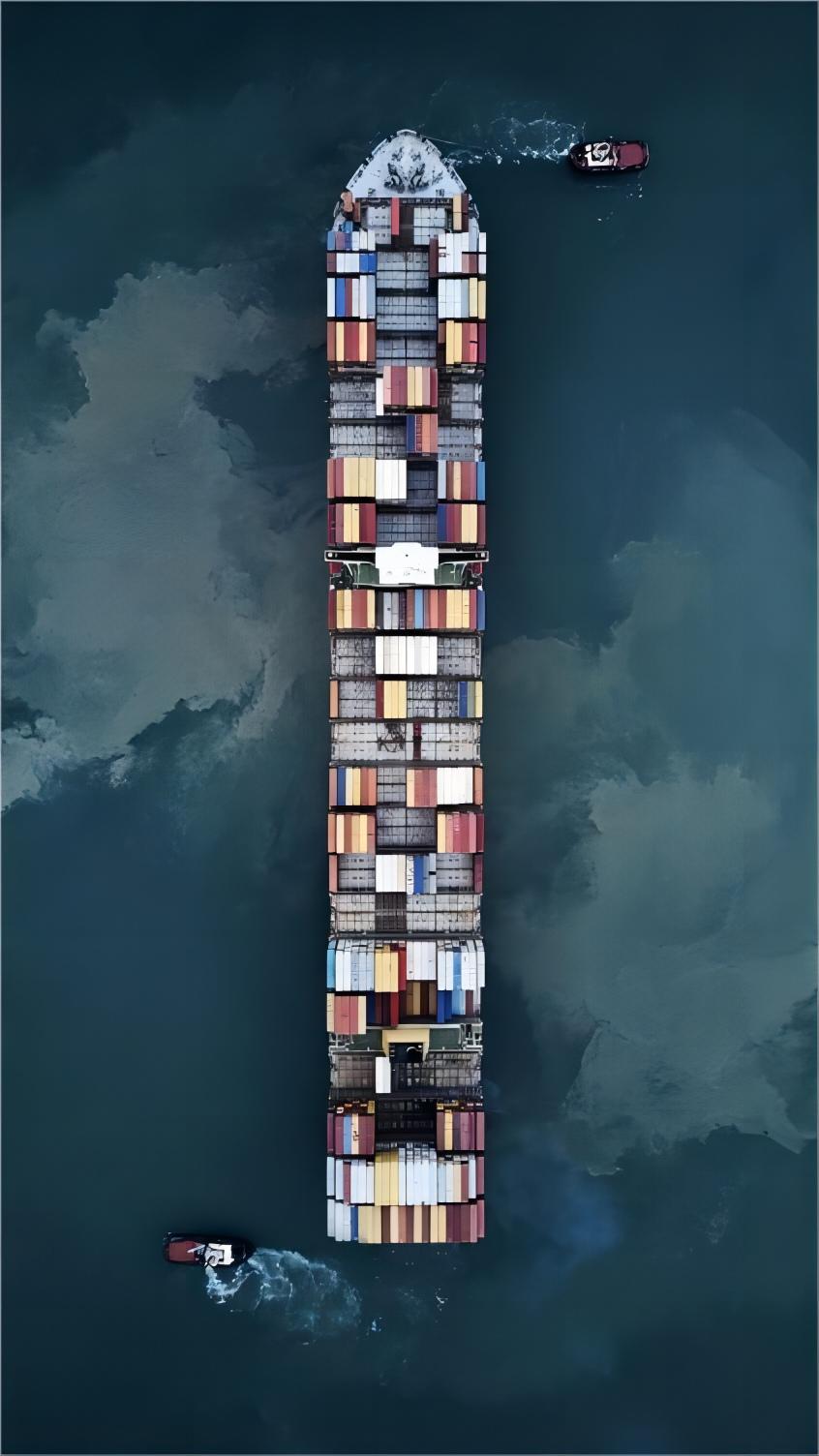
Sea Air Freight China International Cargo Shipping Rates: 2026 Guide
Navigating the complexities of sea air freight china international cargo shipping rates requires a strategic approach to balance speed and budget. As global trade dynamics shift in 2026, businesses must find reliable partners like Global China Freight to manage their supply chain effectively. This comprehensive guide explores current pricing trends, transit options, and cost-saving measures for your international shipments.

Understanding Sea Air Freight China International Cargo Shipping Rates in 2026
International shipping markets have undergone significant changes as we move through 2026. Consequently, understanding the nuances of sea air freight china international cargo shipping rates is essential for any business importing from Chinese manufacturing hubs.
Freight rates are no longer static and fluctuate based on global demand, fuel surcharges, and port efficiency. Therefore, staying informed about these variables helps you predict landed costs more accurately for your inventory.
Moreover, the choice between sea and air transport depends heavily on your specific cargo requirements and timeline. While air freight offers rapid delivery, ocean freight remains the backbone of high-volume international trade due to its cost-efficiency.
Key Factors Influencing International Cargo Shipping Rates
Several critical factors determine the final price you pay for moving goods across borders. For instance, fuel prices, often referred to as the Bunker Adjustment Factor, directly impact both ocean and air carrier pricing structures.
Additionally, seasonal demand plays a massive role in rate volatility. During the peak season from August to October, rates typically increase by 15 to 25 percent as retailers prepare for year-end holidays.
Carrier capacity and container availability also dictate market prices. If vessel space is limited at major ports like Shanghai or Ningbo, shippers might face higher premiums or rolled cargo delays.
Finally, geopolitical events and maritime security can lead to route diversions. As of early 2026, stabilized routes have helped normalize rates compared to the disruptions seen in previous years.
How Does Sea Freight Compare to Other Shipping Options?
Choosing the right mode of transport involves comparing cost, speed, and reliability. For many businesses, sea freight provides the most economical solution for large, heavy shipments that are not time-sensitive.
In contrast, air freight is the preferred choice for high-value electronics or urgent medical supplies. Although the cost per kilogram is significantly higher, the reduced transit time can prevent costly stockouts.
Furthermore, hybrid solutions like sea-air combinations are gaining popularity. This method involves shipping goods by sea to a mid-way hub and then transferring them to a plane to reach the final destination faster than ocean alone.
| Shipping Method | Cost Range | Transit Time | Best For |
|---|---|---|---|
| Sea Freight (FCL) | $1,500 – $4,500 | 18 – 40 Days | Bulk Goods |
| Air Freight | $4.50 – $9.00/kg | 3 – 7 Days | Urgent Cargo |
| Rail Freight | $1,200 – $2,800 | 15 – 22 Days | Europe Routes |
| Express Service | $8.00 – $15.00/kg | 2 – 5 Days | Small Parcels |
Cost-Saving Strategies for International Cargo Shipping
Reducing your logistics expenses requires careful planning and optimization of your cargo volume. For example, consolidating multiple small orders into a single Less than Container Load (LCL) shipment can lower your per-unit shipping cost.
Nevertheless, if your volume exceeds 15 cubic meters, booking a Full Container Load (FCL) usually becomes more economical. This approach minimizes handling risks and provides a fixed rate for the entire container space.
Another effective strategy involves optimizing your packaging to reduce dimensional weight. Since air carriers charge based on the greater of actual weight or volumetric weight, compact packaging can save hundreds of dollars.
Furthermore, negotiating long-term contracts with freight forwarders can shield your business from sudden spot market price hikes during busy periods.
Which Option Should You Choose? Decision Framework
Selecting a shipping method requires a clear understanding of your business priorities. If your primary goal is budget preservation, ocean freight is almost always the superior choice for international trade.
However, if you are launching a new product or responding to an unexpected surge in demand, the speed of air transport justifies the higher expense. You must calculate the trade-off between shipping costs and potential lost sales.
Consider door to door shipping to simplify your logistics chain. This service handles everything from the factory floor to your warehouse, reducing the administrative burden on your team.
Cargo type also dictates the method. Perishable goods or hazardous materials have specific requirements that might limit your options to specialized air or temperature-controlled sea containers.
Realistic Case Studies: 2026 Shipping Scenarios
Case Study 1: Electronics Shipment to North America
Route: Shenzhen, China to Los Angeles, USA. Cargo: Consumer Electronics, 12 CBM, 2,500 kg. Method: LCL Sea Freight. Total Landed Cost: $3,250. Transit Time: 18 days.
Key Insight: By utilizing shipping from China to North America services, the client saved 60% compared to air freight while maintaining a consistent inventory flow. Based on Q1 2026 market rates, this was a highly efficient move.
Case Study 2: Fashion Apparel to Europe
Route: Shanghai, China to Hamburg, Germany. Cargo: Seasonal Apparel, 68 CBM. Container: 40HQ FCL. Total Landed Cost: $4,100. Transit Time: 32 days.
Key Insight: Despite slight port congestion in Shanghai, the fixed FCL rate provided price stability. The client booked three weeks in advance to secure equipment during the pre-holiday rush in early 2026.
Navigating Customs and Documentation Requirements
Accurate documentation is the foundation of a smooth shipping process. Mistakes in your commercial invoice or packing list can lead to expensive delays and additional storage fees at the port of entry.
Consequently, many successful importers rely on professional customs brokerage services to handle the legal complexities. These experts ensure that your goods comply with all local regulations and tariff classifications.
Indeed, understanding the Harmonized System (HS) codes for your products is vital. Correct classification determines the duty rates you will pay and prevents potential fines from customs authorities.
Moreover, ensure you have a valid Power of Attorney (POA) and a customs bond in place before your cargo arrives. Preparation is the best defense against unexpected administrative hurdles in international logistics.

Market Intelligence and 2026 Logistics Trends
According to industry benchmarks, the logistics sector is increasingly adopting digital tracking and automated cargo handling. This trend improves visibility, allowing you to monitor your shipment’s progress in real-time across the ocean.
Market data suggests that freight rates from China have stabilized after the 2025 disruptions. However, environmental regulations are introducing new carbon taxes on shipping lines, which may lead to modest price increases later this year.
Additionally, the shift toward sustainable logistics is prompting carriers to invest in LNG-powered vessels. While these green initiatives are beneficial for the planet, they require shippers to stay informed about potential ‘green surcharges’ in their contracts.
Logistics management is becoming more data-driven. Therefore, businesses that leverage analytics to predict shipping times and costs will gain a competitive advantage in the 2026 global marketplace.
Mastering Your International Shipping Strategy
To summarize, staying ahead in global trade requires a deep understanding of sea air freight china international cargo shipping rates and the factors that drive them. By analyzing your volume, budget, and timeline, you can choose the most effective transport mode for your business needs.
Furthermore, partnering with a knowledgeable freight forwarder ensures that you navigate customs and documentation with ease. As we move through 2026, flexibility and informed decision-making remain the keys to successful international cargo shipping.
Note: Freight rates are subject to change based on fuel costs, carrier capacity, and seasonal demand. Contact us for a current quote tailored to your specific shipment.
Need a tailored shipping solution?
Are you ready to optimize your supply chain and secure the most competitive sea air freight china international cargo shipping rates? Contact our expert team today for a personalized quote and professional logistics guidance. Send Inquiry: https://globalchinafreight.com/contact-us/
Frequently Asked Questions
How are sea air freight china international cargo shipping rates calculated?
What is the typical transit time for sea freight from China?
Can I save money by choosing LCL instead of FCL?
Why are air freight rates so much higher than sea freight?
What documents do I need for international cargo shipping?
Does port congestion affect shipping rates in 2026?
How can I track my international shipment from China?
Is insurance necessary for international cargo shipping?