

2026 Guide: Shipping from China to USA UK EU UAE Freight Solutions
“Navigating the complexities of international trade requires a robust logistics partner to manage diverse global routes effectively. Global China Freight provides comprehensive support for businesses seeking reliable shipping from china to USA UK EU UAE freight solutions in the current 2026 market. This guide offers a deep dive into cost-effective transit methods and strategic planning for your supply chain.”
❖
Why Choose Professional Shipping from China to USA UK EU UAE Freight Solutions?
❖
Reliable logistics serve as the backbone for any successful import-export operation involving major global markets. Consequently, choosing a provider that understands the nuances of regional regulations is essential for maintaining a steady delivery schedule.
Market conditions in early 2026 suggest that diversifying your transport modes can mitigate risks associated with port congestion or fuel price volatility. Therefore, businesses must evaluate their logistics strategy based on current transit times and fluctuating freight rates.
Professional freight forwarding services simplify the complex paperwork required for international cargo handling. Furthermore, expert guidance ensures that your goods reach their destination without unnecessary delays at customs checkpoints.
❖
Understanding Your Primary Transit Options
❖
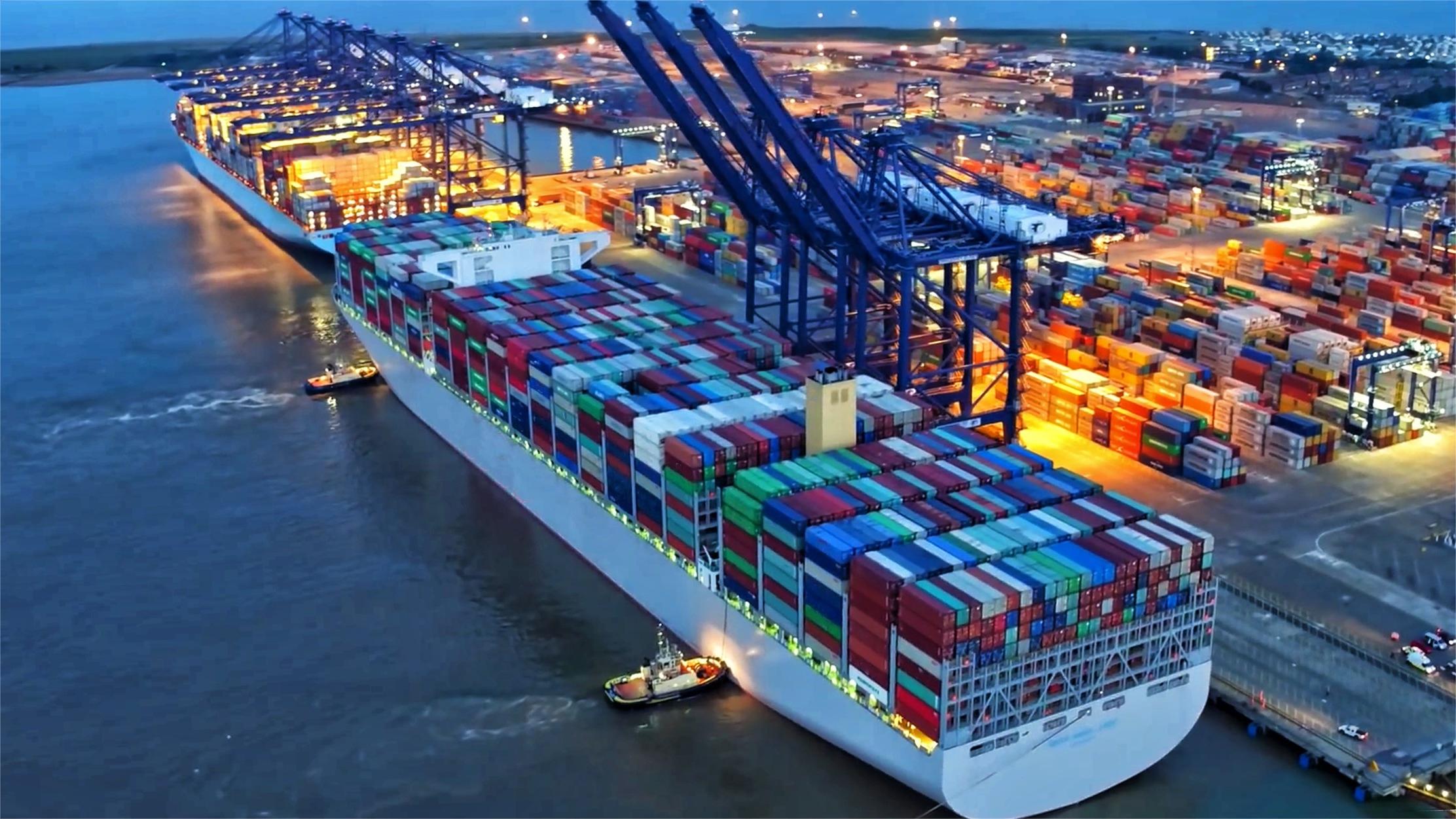
Ocean transport remains the most economical choice for high-volume shipments across the Pacific or toward the European continent. For instance, sea freight offers significant cost savings for bulky items or large inventory restocks.
Air transport provides the speed necessary for high-value or time-sensitive products that cannot afford long transit periods. Indeed, air freight is the preferred method for electronics and fashion items in the 2026 market.
Rail transport has emerged as a middle-ground solution specifically for the China-Europe corridor, offering a balance between cost and speed. Meanwhile, express services cater to small parcels requiring door-to-door delivery within a few business days.
❖
How Does Sea Freight Compare to Other Shipping Options?
❖
Comparing different transport modes allows importers to weigh the trade-offs between budget constraints and delivery requirements. While sea freight is slower, its capacity to handle massive volumes makes it indispensable for global supply chains.
Alternative strategies often involve hybrid solutions, such as sea-air combinations, to bypass specific bottlenecks in the Red Sea or at major US West Coast ports. In addition, rail freight offers a sustainable alternative for land-locked destinations in the EU.
Note: Freight rates are subject to change based on fuel costs, carrier capacity, and seasonal demand. Contact us for a current quote tailored to your specific shipment.
| Shipping Method | Cost Range (2026) | Transit Time | Best For |
|---|---|---|---|
| Sea Freight (FCL) | $2,500 – $5,500 | 18 – 40 Days | Bulk Cargo |
| Air Freight | $5.50 – $12.00/kg | 3 – 7 Days | Urgent Goods |
| Rail Freight | $4,000 – $6,500 | 15 – 22 Days | EU Shipments |
| Express Service | $8.00 – $15.00/kg | 2 – 5 Days | Small Parcels |

❖
Strategic Shipping from China to USA UK EU UAE Freight Solutions
❖
Managing routes to the United States involves choosing between East Coast and West Coast ports based on the final destination of the cargo. For example, shipping to Los Angeles is significantly faster than transit via the Panama Canal to New York.
European logistics often require a mix of sea and rail freight to reach inland hubs like Germany or Poland efficiently. Moreover, the UK market requires specific attention to customs changes following recent trade agreement updates.
Middle Eastern destinations like the UAE benefit from strategic transshipment hubs in Jebel Ali, which facilitate rapid distribution across the region. Consequently, transit times to Dubai are often shorter than those to Northern European ports.
❖
2026 Transit Time Estimates by Destination
❖
Estimating delivery schedules accurately is vital for inventory management and customer satisfaction in 2026. Data suggests that transit times have stabilized, though peak season surges still occur during the third quarter.
Seasonal variations usually result in a 15-20% increase in transit times during the lead-up to the winter holidays. Therefore, booking your shipments at least three weeks in advance is highly recommended to secure space on major carriers.
Note: Freight rates are subject to change based on fuel costs, carrier capacity, and seasonal demand. Contact us for a current quote tailored to your specific shipment.
| Destination | Sea Transit | Air Transit | Rail Transit |
|---|---|---|---|
| USA West Coast | 14-18 Days | 3-5 Days | N/A |
| USA East Coast | 28-35 Days | 4-6 Days | N/A |
| UK / EU Ports | 30-38 Days | 5-7 Days | 18-22 Days |
| UAE (Dubai) | 15-22 Days | 2-4 Days | N/A |
❖
Navigating Customs and Compliance
❖
Handling import duties and taxes requires a deep understanding of the Harmonized System (HS) codes for different product categories. Specifically, utilizing a professional customs brokerage service can prevent costly fines and shipment seizures.
Documentation such as the Bill of Lading, Commercial Invoice, and Packing List must be meticulously prepared to meet international standards. In addition, certain regions like the EU require specific certifications for electronics and hazardous materials.
Compliance with local regulations ensures that your supply chain remains uninterrupted and legally sound. Consequently, staying informed about 2026 trade policy updates is a priority for modern importers.
❖
Optimizing Amazon FBA and E-commerce Logistics
❖
E-commerce sellers often require specialized labeling and palletization services to meet strict warehouse requirements. For instance, Amazon FBA logistics solutions streamline the movement of goods from Chinese factories directly to fulfillment centers.
Consolidating multiple small orders into a single shipment can significantly reduce your total landed cost. Furthermore, door-to-door services provide the convenience of a single point of contact for the entire logistics journey.
Choosing the right delivery method depends on your inventory turnover rate and seasonal demand spikes. Therefore, many sellers utilize a mix of sea freight for bulk stock and air freight for rapid replenishment.

❖
Which Option Should You Choose?
❖
Budget priority dictates a focus on FCL or LCL sea freight to maximize profit margins on low-cost goods. On the other hand, if speed is your primary concern, air freight is the only viable solution for meeting tight deadlines.
Cargo type considerations play a major role in method selection, as perishable items or high-value machinery require specific handling environments. Specifically, heavy industrial equipment is almost always moved via specialized sea freight vessels.
Volume thresholds often determine when it becomes more economical to switch from LCL to a full 20GP or 40HQ container. Typically, shipments exceeding 15 CBM are better suited for full container loads to reduce the risk of damage and lower the per-unit cost.
❖
Real-World Logistics Case Studies
❖
Case Study 1: Electronics Distribution to USA West Coast Route: Shenzhen, China to Los Angeles, USA Cargo: Consumer Electronics, 28 CBM, 4500 kg Container: 40HQ (Full Container Load) Shipping Details: – Carrier: Major carrier (Direct Route) – Port of Loading: Shenzhen – Port of Discharge: Los Angeles Cost Breakdown: – Ocean Freight: $3,200 – Origin Charges: $450 – Destination Charges: $600 – Total Landed Cost: $4,250 Timeline: – Booking to Loading: 4 days – Sea Transit: 16 days – Customs Clearance: 2 days – Total Door-to-Door: 22 days Key Insight: Direct routing saved 5 days compared to transshipment via Busan.
Case Study 2: Textile LCL Shipment to United Kingdom Route: Ningbo, China to Felixstowe, UK Cargo: Apparel, 8 CBM, 1200 kg Container: LCL (Less than Container Load) Shipping Details: – Carrier: Major carrier (Transshipment via Singapore) – Port of Loading: Ningbo – Port of Discharge: Felixstowe Cost Breakdown: – Ocean Freight: $950 – Origin Charges: $300 – Destination Charges: $500 – Total Landed Cost: $1,750 Timeline: – Booking to Loading: 6 days – Sea Transit: 36 days – Customs Clearance: 3 days – Total Door-to-Door: 45 days Key Insight: LCL was 40% cheaper than air freight for this volume despite the longer transit time.
Case Study 3: Industrial Parts Rail Freight to Germany Route: Xi an, China to Duisburg, Germany Cargo: Automotive Parts, 22 CBM, 3800 kg Container: 40GP Shipping Details: – Service: China-Europe Railway Express – Origin: Xi an Inland Port – Destination: Duisburg Terminal Cost Breakdown: – Rail Freight: $4,800 – Documentation: $250 – Destination Handling: $400 – Total Landed Cost: $5,450 Timeline: – Booking to Loading: 5 days – Rail Transit: 20 days – Customs Clearance: 2 days – Total Door-to-Door: 27 days Key Insight: Rail provided a 15-day advantage over sea freight at half the cost of air freight.
Final Thoughts on Global Logistics Strategy
Successfully managing international trade requires a balanced approach to shipping from china to USA UK EU UAE freight solutions. By understanding the differences between sea, air, and rail transport, businesses can make informed decisions that protect their bottom line.
Technological advancements in 2026 have made tracking and customs clearance more transparent than ever before. Consequently, partnering with a knowledgeable freight forwarder ensures your cargo moves efficiently through the global network.
Maintaining flexibility in your logistics plan allows you to adapt to market shifts and seasonal demands. Ultimately, the right shipping strategy is the one that aligns your budget with your customers delivery expectations.

Ready to streamline your logistics?
Streamline your global supply chain today with expert shipping from china to USA UK EU UAE freight solutions. Contact our team to receive a personalized quote and optimize your international logistics for 2026. Visit our inquiry page to start: Send Inquiry
Frequently Asked Questions
What is the cheapest way to ship from China to the USA in 2026?
How long does air freight take from China to the UK?
Can I ship goods from China to the EU by rail?
Are there direct shipping routes from China to the UAE?
What documents are required for US customs clearance?
Is insurance necessary for international freight?
How are freight rates calculated for 2026?
What is the benefit of using a door-to-door service?