

Sea Freight China LCL FCL Consolidation Global Service: 2026 Guide
Navigating the complexities of international trade requires a robust sea freight china LCL FCL consolidation global service to maintain a competitive edge. Partnering with Global China Freight ensures your supply chain remains resilient and cost-effective in the evolving 2026 market. Whether you are shipping small batches or full containers, understanding the nuances of ocean logistics is essential for business growth.
What is Sea Freight China LCL FCL Consolidation Global Service?
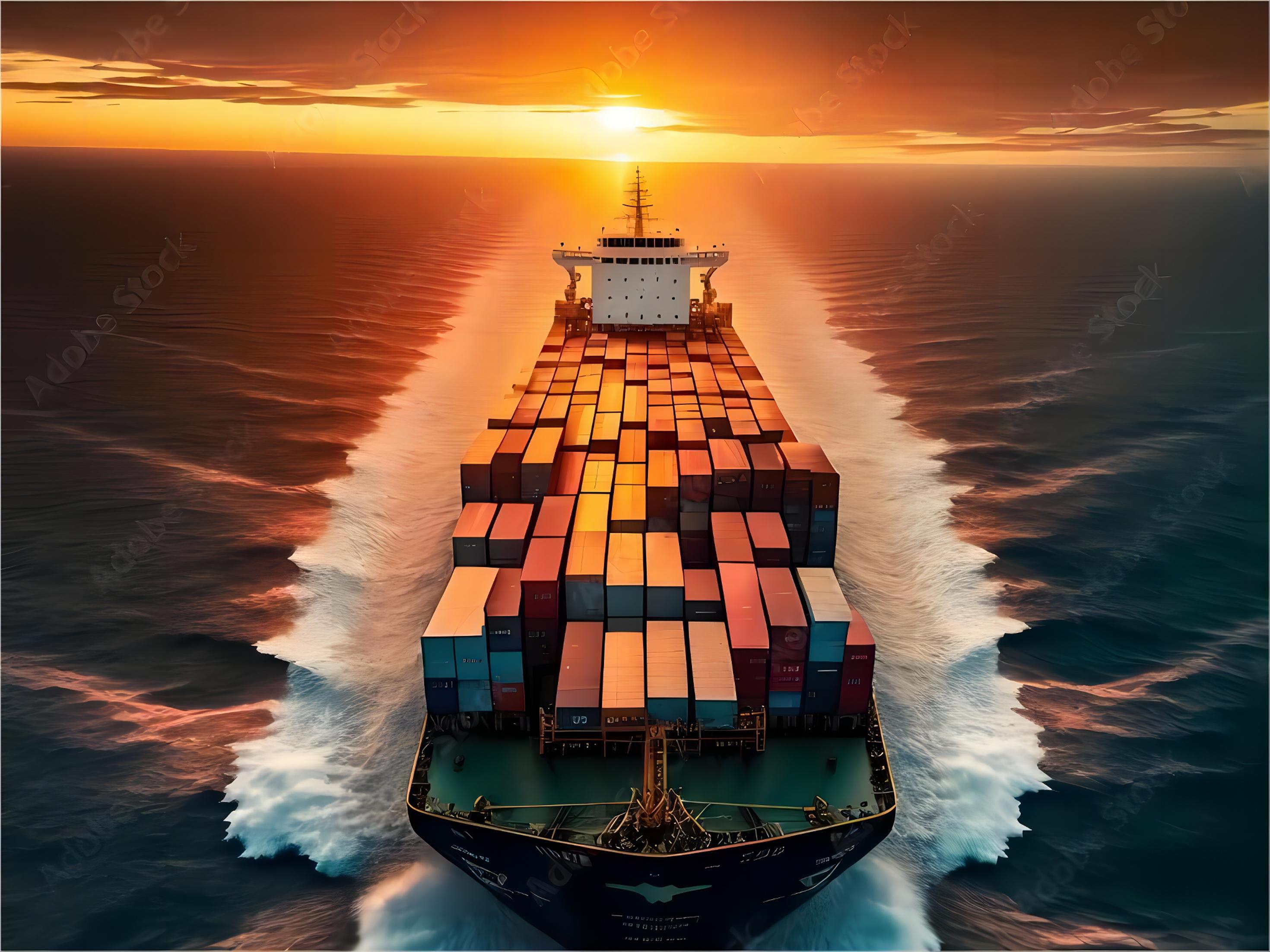
Ocean logistics remains the backbone of international commerce, offering the most scalable way to move goods across continents. A comprehensive sea freight china LCL FCL consolidation global service provides businesses with the flexibility to choose between dedicated containers or shared space. This versatility allows companies of all sizes to access global markets without overextending their shipping budgets.
Moreover, the integration of consolidation services ensures that even smaller shipments benefit from the economies of scale typically reserved for large-scale importers. By grouping multiple smaller shipments into a single container, freight forwarders reduce the total landed cost for each participant. Consequently, this method has become a preferred strategy for e-commerce sellers and retail distributors alike in 2026.
Furthermore, modern logistics providers now offer end-to-end visibility and sophisticated tracking for these shipments. This technological advancement allows you to monitor your cargo handling from the port of loading to the final destination. Indeed, professional customs brokerage plays a vital role in ensuring these shipments pass through international borders without unnecessary delays.
Key Differences Between FCL and LCL Shipping
Choosing between Full Container Load (FCL) and Less than Container Load (LCL) depends largely on your cargo volume and budget. FCL involves renting an entire 20-foot or 40-foot container for your exclusive use, which often results in faster transit times. Because the container remains sealed from the origin to the destination, it also offers a higher level of security for sensitive goods.
On the other hand, LCL is ideal for businesses that do not have enough cargo to fill a whole container. In this scenario, you only pay for the volume your goods occupy, measured in cubic meters. While this is cost-effective for small volumes, it requires additional time for the consolidation and deconsolidation processes at the warehouse.
Additionally, many businesses now opt for door to door services to simplify the entire process. This approach eliminates the need for the importer to manage multiple logistics segments, as the forwarder handles everything from pickup in China to final delivery. Therefore, selecting the right method requires a careful analysis of your delivery schedule and total volume.
How Does Sea Freight China LCL FCL Consolidation Global Service Compare to Other Shipping Options?
When evaluating your logistics strategy, it is crucial to compare ocean transport against alternative modes like air and rail. While air freight offers unmatched speed, the costs are significantly higher, often making it prohibitive for heavy or bulky items. In contrast, sea freight provides a much more sustainable and economical solution for large-scale inventory replenishment.
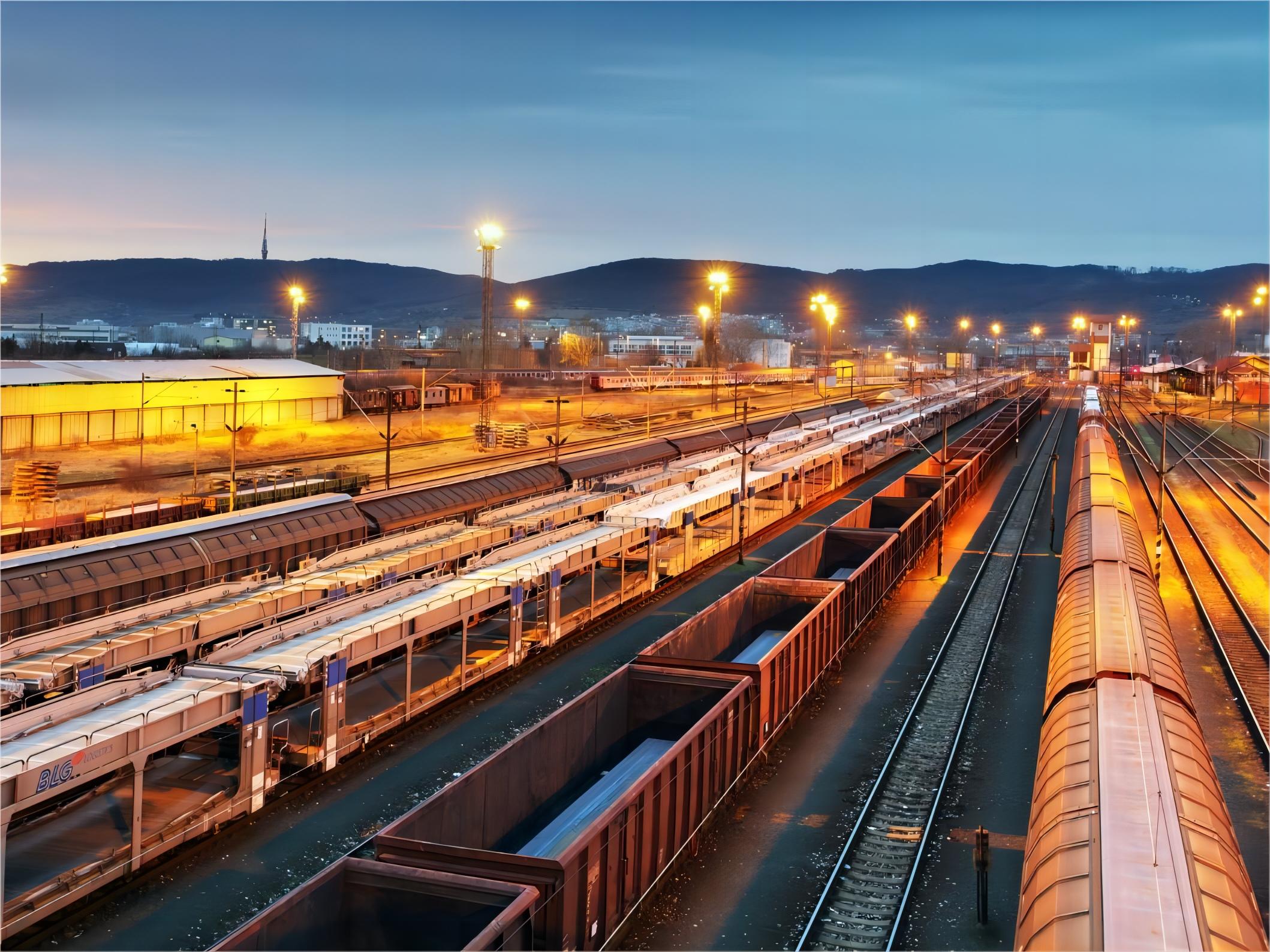
Meanwhile, rail freight has emerged as a middle-ground option for shipments traveling from China to Europe. It offers faster transit times than the sea but at a lower cost than air. However, for routes to North America or Australia, sea freight remains the only viable high-volume option due to geographical constraints.
To summarize, each method serves a specific purpose in the modern supply chain. The following table provides a clear comparison of the primary shipping methods available from China in 2026.
| Sea Freight (FCL) | $1,500 – $6,000 | 14 – 45 Days | High volume, low urgency |
| Sea Freight (LCL) | $50 – $150 per CBM | 20 – 50 Days | Small batches, budget focus |
| Air Freight | $4.50 – $9.00 per kg | 3 – 7 Days | High value, urgent goods |
| Rail Freight | $3,000 – $8,500 | 15 – 22 Days | Mid-volume to Europe |

Which Shipping Option Should You Choose for Your Cargo?
Deciding on the best shipping method requires an assessment of your specific business needs and cargo characteristics. If your shipment exceeds 15 cubic meters, FCL is generally the more economical choice despite the higher upfront cost. For smaller shipments, LCL consolidation provides the necessary flexibility to maintain stock levels without excessive storage fees.
Furthermore, businesses targeting Amazon warehouses often utilize specialized Amazon FBA shipping services. these services are optimized for the strict receiving requirements of fulfillment centers, ensuring your products are processed quickly. Consequently, your choice should align with your inventory turnover rate and customer demand patterns.
Without a doubt, the nature of the cargo also dictates the method. Perishable items or high-tech electronics might justify the expense of air transport, whereas furniture and textiles are perfect candidates for sea freight. Use the framework below to help guide your decision-making process for your next shipment from China.
| Lowest Cost | Sea Freight LCL | Under 15 CBM | Retail goods, samples |
| Speed & Security | Sea Freight FCL | Over 15 CBM | Machinery, bulk stock |
| Max Urgency | Air Freight | Any volume | Electronics, fashion |
| Reliability | Rail Freight | Full containers | Auto parts to Europe |
The Strategic Importance of Cargo Consolidation in 2026
Cargo consolidation has become a cornerstone of modern logistics trends as businesses seek to minimize waste in their supply chains. By combining shipments from multiple suppliers into one container, you can significantly reduce origin charges and documentation fees. This approach is particularly effective for importers who source components from various manufacturers across China.
Additionally, consolidation allows for more frequent shipments, which helps in maintaining a lean inventory model. Instead of waiting months to fill a full container, you can ship smaller amounts weekly. As a result, your business can react more quickly to market shifts and consumer trends in the global service landscape.
Indeed, the 2026 market demands higher agility and lower overheads. Professional consolidation services provide the infrastructure needed to manage these complex movements seamlessly. Therefore, leveraging a freight forwarder with a strong network in major Chinese ports like Ningbo, Shanghai, and Shenzhen is a major competitive advantage.
Expanding Reach with Global Service Routes from China
The global reach of Chinese manufacturing necessitates a logistics network that spans every continent. Major shipping lines have established direct routes that connect Chinese hubs to the most significant economic zones worldwide. Whether you are shipping to the bustling ports of the United States or the industrial centers of Europe, a reliable sea freight china LCL FCL consolidation global service is your gateway.
For instance, routes to North America have seen improved efficiency through better port management and digital customs processing. Similarly, the maritime corridors to Europe remain the busiest in the world, supporting the vast trade volume between these regions. Meanwhile, emerging markets in Southeast Asia and South America are becoming increasingly accessible through expanded carrier networks.
Moreover, specialized services tailored to specific regions ensure that local regulations and infrastructure challenges are managed effectively. This regional expertise is crucial for avoiding port congestion and ensuring timely delivery to inland locations. Consequently, choosing a forwarder with global coverage ensures consistency across all your international trade lanes.
Real-World Sea Freight China LCL FCL Consolidation Global Service Case Studies
Examining real-world examples provides valuable insight into the costs and timelines associated with modern sea freight. These cases reflect typical scenarios encountered by importers in the 2025-2026 market. Each example highlights the importance of choosing the correct shipping method based on cargo size and destination requirements.
Case Study 1: Electronics Distribution to USA. Route: Shenzhen, China to Los Angeles, USA. Cargo: Consumer electronics, 68 CBM, 12,000 kg. Container: 40HQ. Shipping Details: Direct service via major carrier. Ocean Freight: $3,200. Origin Charges: $450. Destination Charges: $650. Total Landed Cost: $4,300. Timeline: 18 days door-to-door. Key Insight: Using FCL for high-volume electronics ensured the lowest per-unit cost and maximum security.
Case Study 2: Furniture Boutique to Europe. Route: Ningbo, China to Hamburg, Germany. Cargo: Designer furniture, 8 CBM, 1,500 kg. Container: LCL Consolidation. Shipping Details: Transshipment via Singapore. Ocean Freight: $880. Origin Charges: $250. Destination Charges: $400. Total Landed Cost: $1,530. Timeline: 38 days door-to-door. Key Insight: LCL consolidation allowed the boutique to maintain fresh stock without the expense of a full container.
Case Study 3: Industrial Parts to Australia. Route: Shanghai, China to Sydney, Australia. Cargo: Steel components, 24 CBM, 18,000 kg. Container: 20GP. Shipping Details: Direct route. Ocean Freight: $1,100. Origin Charges: $300. Destination Charges: $500. Total Landed Cost: $1,900. Timeline: 16 days door-to-door. Key Insight: Direct sea freight to Australia remains the most efficient method for heavy industrial goods in 2026.
Note: Freight rates are subject to change based on fuel costs, carrier capacity, and seasonal demand. Contact us for a current quote tailored to your specific shipment.
Cost-Saving Strategies for Global Logistics in 2026
Reducing shipping expenses requires a proactive approach to logistics management and planning. One of the most effective strategies is to book your shipments at least 3-4 weeks in advance to secure better freight rates. Last-minute bookings often incur premium charges, especially during the peak season from August to October.
Another vital strategy involves optimizing your packaging to maximize the use of space within the container. For LCL shipments, even a small reduction in the dimensions of your crates can lead to significant savings over time. Additionally, consolidating shipments from different suppliers into a single FCL container can eliminate multiple sets of fixed port charges.
Furthermore, staying informed about market trends and seasonal fluctuations allows you to time your shipments more effectively. For example, rates typically spike before the Chinese New Year, so planning around these holidays is essential. By implementing these tactics, you can maintain a lean and profitable international trade operation.

Mastering Your Global Logistics Strategy
To summarize, successfully managing international trade requires a deep understanding of sea freight china LCL FCL consolidation global service options. By carefully selecting between FCL and LCL, leveraging consolidation, and planning for customs requirements, you can significantly optimize your operations. The 2026 shipping landscape offers many opportunities for those who stay informed and adaptable.
As a result, partnering with an experienced logistics provider is the best way to navigate these complexities. Whether you are expanding into new markets or optimizing existing routes, the right sea freight strategy will support your long-term business goals. Focus on efficiency, cost-control, and reliability to ensure your goods reach their destination on time and within budget.
Need a tailored shipping solution?
Streamline your supply chain today with our expert sea freight china LCL FCL consolidation global service. Our team is ready to provide you with a customized quote and professional guidance for all your shipping needs. Visit our contact page or Send Inquiry to start your journey toward more efficient global logistics.