

China Logistics Warehouse Storage Fulfillment Service USA EU 2026 Guide
Establishing a reliable china logistics warehouse storage fulfillment service USA EU is essential for businesses navigating the complex global trade landscape of 2026. Many importers struggle with rising overhead costs and fragmented supply chains that delay delivery to key Western markets. However, by integrating professional 3PL solutions at the source, you can significantly reduce transit times and improve inventory accuracy across your entire network.

What is a China Logistics Warehouse Storage Fulfillment Service USA EU?
A comprehensive fulfillment service in China acts as the central hub for your global distribution strategy. This system allows businesses to store products near manufacturing centers before shipping them directly to customers or distribution centers in the USA and Europe.
Moreover, these facilities provide specialized services such as kitting, labeling, and quality control inspections. Consequently, you can identify product defects before the goods leave the country, saving thousands in international return costs.
Additionally, advanced warehouse management systems (WMS) provide real-time visibility into your stock levels. This transparency ensures that you never run out of inventory during peak shopping seasons like Q4.
Therefore, utilizing a localized storage solution simplifies the transition from production to the final mile. It bridges the gap between Chinese factories and Western consumers through a seamless logistics pipeline.
Why Choose a Specialized Fulfillment Center in China for 2026?
Current market trends in 2026 show that labor costs in the West continue to rise, making domestic fulfillment increasingly expensive. In contrast, Chinese logistics hubs offer competitive pricing for high-volume storage and picking services.
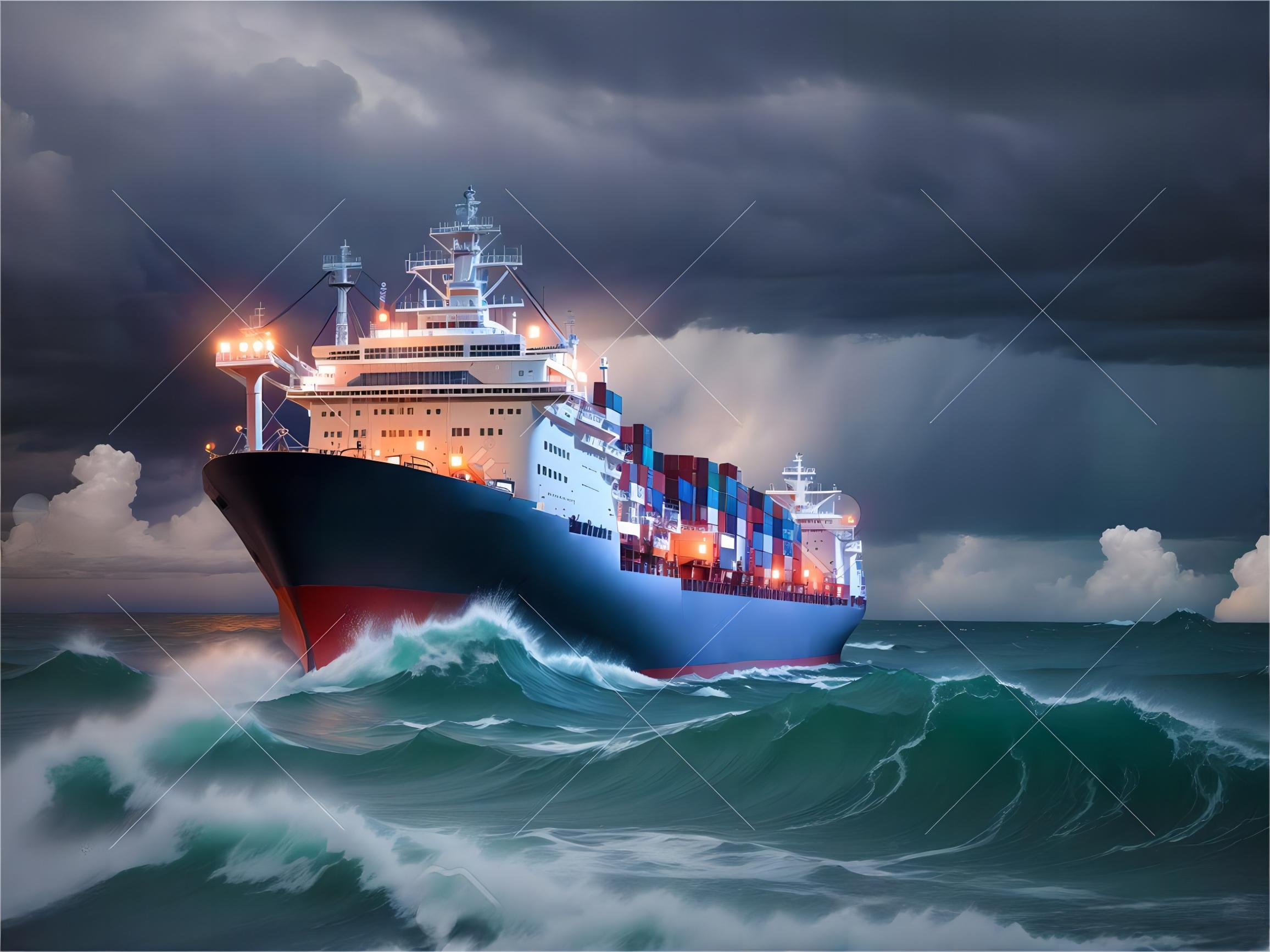
Furthermore, using sea freight for bulk shipments to these warehouses allows you to maintain a buffer stock. This strategy protects your business against sudden ocean freight rate spikes or port strikes in the USA.
Another significant advantage involves the consolidation of orders from multiple suppliers. Instead of paying for several small shipments, you can combine them into one large container to maximize space and reduce unit costs.
Indeed, the efficiency of modern Chinese infrastructure allows for faster processing of outbound orders. Most fulfillment centers can pick and pack an order within 24 hours of receipt from your e-commerce platform.
How Does Sea Freight Compare to Other Shipping Options?
Choosing the right transport mode is a critical decision for any supply chain manager. While sea freight remains the backbone of global trade, alternatives like air and rail offer different balances of speed and cost.
For example, air freight provides the fastest transit but comes at a significant premium. Meanwhile, rail freight offers a middle ground for shipments destined for Europe, though it is not an option for the USA.
As a result, many companies now adopt a hybrid approach. They use sea freight for 80 percent of their inventory and reserve air freight for urgent restocks or high-demand product launches.
Note: Freight rates are subject to change based on fuel costs, carrier capacity, and seasonal demand. Contact us for a current quote tailored to your specific shipment.
| Shipping Method | Cost Range (2026) | Transit Time | Best For |
|---|---|---|---|
| Sea Freight (FCL) | $2,500 – $5,500 | 25-40 Days | Bulk Inventory |
| Air Freight | $5.50 – $12.00/kg | 3-7 Days | High-Value Goods |
| Rail Freight | $1,800 – $3,200 | 18-25 Days | EU Shipments |
| Express | $8.00 – $15.00/kg | 2-5 Days | Small Samples |

Which Option Should You Choose? Decision Framework
Selecting the optimal shipping method depends on your specific business priorities and cargo characteristics. If your primary goal is budget optimization, sea freight is almost always the superior choice for large volumes.
On the other hand, if you are launching a seasonal product with a short shelf life, speed becomes the priority. In this scenario, rail freight serves as an excellent alternative for European destinations.
Cargo type also plays a major role in your decision. Fragile or perishable items may require the stability and speed of air transport to ensure they arrive in pristine condition.
Volume thresholds are equally important to consider. For shipments under 15 CBM, LCL (Less than Container Load) is often more economical than paying for a full 20GP container.
Integrating Amazon FBA with China Storage Solutions
Many e-commerce sellers utilize Amazon FBA to handle their final delivery. However, shipping directly from a factory to an Amazon warehouse can be risky due to strict labeling requirements.
By using a China-based fulfillment center, you can ensure every carton meets Amazon’s specific standards before it crosses the ocean. This extra step prevents costly rejection fees and delays at the fulfillment center.
Additionally, you can store your bulk inventory in China and drip-feed it into Amazon’s network as needed. This tactic helps you avoid Amazon’s high long-term storage fees in the USA and EU.
Consequently, your supply chain becomes more flexible and resilient. You can quickly pivot inventory to different marketplaces if demand shifts unexpectedly between regions.
Navigating Customs Brokerage and Documentation
International shipping involves complex legal requirements that vary significantly between the USA and the EU. Professional customs brokerage services are vital to ensure compliance and avoid penalties.
For instance, EU shipments require an EORI number and specific VAT documentation. Without these, your cargo could be held at the port of discharge for weeks, incurring heavy demurrage charges.
Meanwhile, USA imports must deal with HTS codes and potential Section 301 tariffs. An experienced broker will help you classify your goods correctly to ensure you pay the lowest legal duty rate.
Accordingly, documentation must be precise and complete. Common requirements include the commercial invoice, packing list, bill of lading, and certificate of origin.
| Document Name | Purpose | Required For | Issuer |
|---|---|---|---|
| Commercial Invoice | Valuation of Goods | All Shipments | Exporter |
| Packing List | Cargo Details | All Shipments | Exporter |
| Bill of Lading | Title to Goods | Sea/Rail | Carrier |
| CO Form | Origin Proof | Duty Reduction | Chamber of Commerce |
Case Studies: Real-World Fulfillment Success in 2026
Case Study 1: Electronics Distribution to Germany. Route: Shenzhen to Hamburg. Cargo: 15 CBM Consumer Electronics. Method: Sea Freight LCL. Ocean Freight: $1,250. Origin Charges: $350. Destination Charges: $480. Timeline: 33 days door-to-door. Insight: Consolidation in Shenzhen saved the client 22 percent compared to direct factory shipping.
Case Study 2: Apparel Brand Expansion to USA. Route: Ningbo to Los Angeles. Cargo: 40HQ Container Garments. Method: Sea Freight FCL. Ocean Freight: $3,800. Customs and Duties: $1,200. Timeline: 18 days port-to-port. Insight: Utilizing a 40HQ container maximized the volume-to-cost ratio for lightweight goods.
Case Study 3: Urgent Spare Parts to Poland. Route: Shanghai to Warsaw. Cargo: 200kg Industrial Parts. Method: Rail Freight. Total Landed Cost: $2,100. Timeline: 22 days. Insight: Rail was chosen over air to save $1,500 while still meeting the production deadline.
Based on Q1 2026 market rates, these examples reflect typical performance for established shipping lanes. However, specific costs will vary based on the exact commodity and seasonal capacity fluctuations.
Strategies for Reducing Your 2026 Logistics Costs
Reducing logistics expenses requires a proactive approach to planning and execution. One effective strategy is to book your shipments at least three weeks in advance to secure lower freight rates.
Furthermore, optimizing your packaging can lead to significant savings. By reducing the size of individual product boxes, you can fit more units into a single container, lowering the per-unit shipping cost.
Nevertheless, do not sacrifice quality for price. Choosing the cheapest carrier often leads to longer transit times and a higher risk of cargo damage, which costs more in the long run.
Finally, consider leveraging bonded warehouses in China. These allow you to store goods without paying export taxes until the moment they are actually shipped out of the country.
Final Thoughts on Global Logistics Integration
In summary, a well-managed china logistics warehouse storage fulfillment service USA EU is the foundation of a successful international business. By leveraging the right combination of storage, fulfillment, and transport modes, you can optimize your operations for both speed and cost.
As we move through 2026, the ability to adapt to changing market conditions will define the winners in global e-commerce. Therefore, partner with a logistics provider that offers the flexibility and expertise needed to navigate these challenges.
Whether you are shipping bulk containers or individual parcels, the right strategy will enhance your customer experience and protect your profit margins. Start optimizing your 2026 logistics plan today.

Start Your Shipment
Streamline your global supply chain today with a professional china logistics warehouse storage fulfillment service USA EU. Our team provides end-to-end support to ensure your goods arrive safely and on time. Send Inquiry for a custom quote: Visit https://globalchinafreight.com/
Request Quote