


International Shipping From China Freight Forwarder Quote: 2026 Pricing Guide
Finding a reliable international shipping from china freight forwarder quote is the primary challenge for modern importers seeking to maintain healthy profit margins. Navigating the complexities of 2026 global logistics requires a deep understanding of fluctuating fuel surcharges, port congestion patterns, and seasonal demand spikes. This comprehensive guide provides the transparency you need to evaluate shipping costs, transit times, and service levels accurately for your next cargo movement.
What Components Make Up an International Shipping From China Freight Forwarder Quote?
Understanding the specific line items in your logistics estimate is crucial for avoiding unexpected expenses during the shipping process. Most quotes consist of three primary phases: origin charges, main carriage, and destination fees.
Origin charges typically include pickup from the factory, export customs clearance, and terminal handling at the Chinese port. Furthermore, documentation fees and warehouse storage may apply if your cargo is not ready for immediate loading.
Main carriage represents the actual cost of transport via sea, air, or rail between the two countries. Consequently, this figure fluctuates based on market capacity and current oil prices as we move through 2026.
Destination charges involve the unloading of goods, import duties, and final delivery to your warehouse. Moreover, you must account for potential inspection fees if customs authorities flag your shipment for a physical check.
How Does Sea Freight Compare to Other Shipping Options?
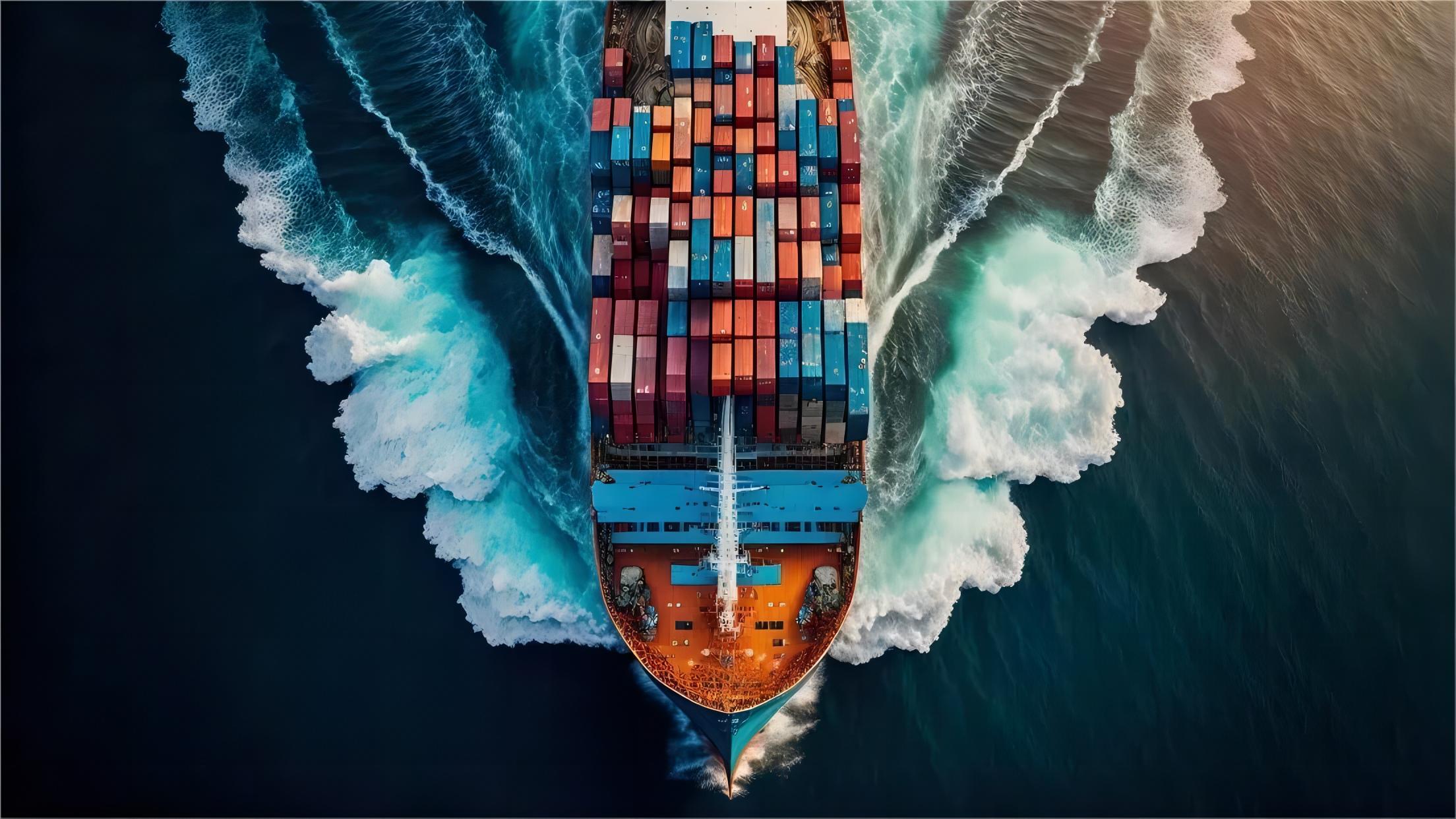
Evaluating sea freight is essential for businesses moving high-volume goods where cost efficiency takes priority over speed. Ocean transport remains the backbone of international trade, offering the lowest price per unit for bulk commodities and large consumer goods.
Standard container shipping allows for two main options: Full Container Load (FCL) and Less than Container Load (LCL). While FCL provides exclusive use of a 20ft or 40ft container, LCL allows you to share space with other shippers, making it ideal for smaller volumes.
Market data suggests that sea freight rates have stabilized in early 2026, though seasonal peaks still cause temporary price increases. In contrast, air freight remains significantly more expensive but offers rapid turnaround for time-sensitive inventory.
Choosing between these methods depends on your specific budget constraints and how quickly you need to replenish your stock levels. Use the comparison table below to determine which logistics strategy aligns with your 2026 business goals.
| Shipping Method | Cost Range | Transit Time | Best For |
|---|---|---|---|
| Sea Freight (FCL) | $1,500 – $4,500 | 18 – 45 Days | Bulk goods, large machinery |
| Air Freight | $4.50 – $9.00/kg | 3 – 7 Days | Electronics, urgent stock |
| Rail Freight | $1,000 – $2,800 | 15 – 22 Days | Mid-value items to Europe |
| Express Service | $7.00 – $15.00/kg | 2 – 5 Days | Samples, small parcels |

Factors Influencing Your 2026 Shipping Costs and Quotes
Several external variables directly impact the final price you see on an international shipping from china freight forwarder quote. Fuel prices, often cited as bunker adjustment factors (BAF), remain one of the most volatile components in ocean shipping.
Seasonal demand cycles, particularly during the pre-Chinese New Year rush and the Q4 holiday peak, can drive rates up by 20% to 40%. Additionally, port labor availability and equipment shortages in major hubs like Shanghai or Ningbo can lead to premium surcharges.
Currency fluctuations between the US Dollar and the Chinese Yuan also play a significant role in determining your landed costs. Therefore, many savvy importers negotiate long-term contracts to hedge against sudden market shifts in the logistics sector.
Weight and volume ratios, often referred to as chargeable weight, determine whether you are billed based on the physical weight or the space the cargo occupies. For instance, lightweight but bulky items like pillows are billed based on volumetric weight rather than actual mass.
Is Air Freight the Right Choice for Your Urgent Shipments?
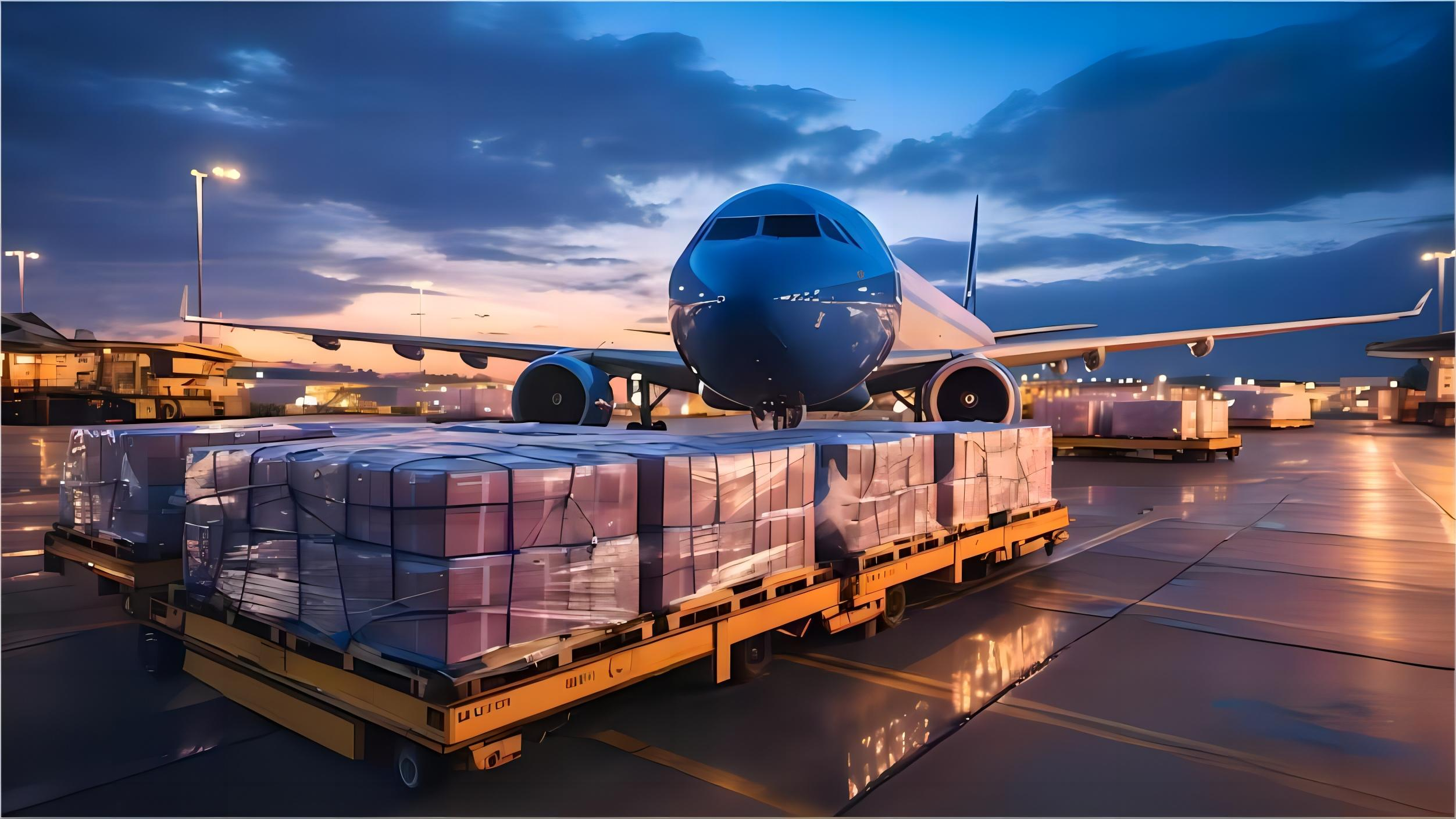
Selecting air freight is the most effective way to minimize lead times and maintain a lean inventory strategy. High-value electronics, fashion items, and perishable goods frequently travel via air to ensure they reach the market while demand is at its peak.
Airlines calculate rates based on the higher of the actual weight or the volumetric weight of the cargo. Consequently, optimizing your packaging to reduce excess space can lead to substantial savings on your annual shipping budget.
Security and cargo handling are generally superior in air transport compared to sea freight, reducing the risk of damage or theft. Meanwhile, the environmental impact and higher carbon footprint of air travel are becoming larger considerations for corporate sustainability targets in 2026.
Note: Freight rates are subject to change based on fuel costs, carrier capacity, and seasonal demand. Contact us for a current quote tailored to your specific shipment.
The Rise of Rail Freight as a Middle-Ground Solution
Utilizing rail freight has become a popular alternative for shipments moving from China to Europe and Central Asia. This method provides a perfect balance between the low cost of sea freight and the high speed of air transport.
Transit times for rail typically range from 15 to 22 days, which is roughly half the time of a traditional ocean voyage. Furthermore, rail transport is less affected by weather conditions and sea-state delays that often plague maritime routes.
Capacity on the Silk Road rail networks has expanded significantly throughout 2025 and into 2026, offering more frequent departures from major Chinese hubs. However, rail is not a viable option for shipments destined for North America or Australia due to geographical constraints.
Implementing a hybrid rail-sea strategy can sometimes offer even greater flexibility for diverse supply chains. For example, some shippers use rail for the long-haul leg and local trucking for the final mile delivery to optimize costs.
Navigating Customs Brokerage and Compliance Requirements
Expert customs brokerage services are vital for ensuring your cargo passes through international borders without costly delays or fines. Every country maintains unique tariff schedules and import regulations that change frequently in response to global trade policies.
Documentation accuracy is the most common reason for shipments being held at the port of entry. Indeed, a single mistake on a Commercial Invoice or Packing List can lead to weeks of storage fees and administrative headaches.
Freight forwarders provide essential guidance on Harmonized System (HS) codes, which determine the duty rates applicable to your specific products. Additionally, they can help you navigate trade agreements that might offer duty-free entry for certain goods.
Investing in professional compliance support protects your business from the risks of misclassification and ensures a smooth flow of goods. Transitioning to digital documentation systems in 2026 has further streamlined this process for proactive importers.
Door-to-Door Logistics: Simplifying Your Supply Chain
Choosing a door to door service model eliminates the need for you to coordinate multiple logistics providers. This comprehensive approach covers everything from the initial pickup at the factory to the final unloading at your designated facility.
Visibility is the primary benefit of this model, as you typically receive a single tracking number and one point of contact for the entire journey. Consequently, your team can spend less time managing logistics and more time focusing on core business growth.
Costs for door-to-door shipping are often more predictable because they include most local handling and trucking fees upfront. On the other hand, you should always verify if the quote includes customs duties and taxes to avoid surprises upon arrival.
Typical rates as of early 2026 suggest that while the base price is higher than port-to-port shipping, the reduction in administrative overhead often results in a lower total cost of ownership.
Which Option Should You Choose? A Decision Framework
Deciding on the best shipping method requires a careful analysis of your cargo’s value, weight, and urgency. If your primary goal is budget preservation and you have a long lead time, sea freight is almost always the superior choice.
Speed priority dictates the use of air freight, especially for product launches or inventory stock-outs. Moreover, if you are shipping to Europe and need a reliable schedule that beats the ocean transit time, rail freight serves as an excellent compromise.
Cargo type considerations also play a role; hazardous materials or extremely heavy machinery may have limited options due to safety regulations. For shipments under 15 CBM, LCL at $50-80/CBM may be more economical than a full container.
Direct routes cost 10-15% more but save 5-7 days compared to transshipment via major hubs like Singapore or Port Klang. Evaluate your specific needs against these criteria to select the most efficient logistics path for your business.
Real-World 2026 Shipping Case Studies
Case Study 1: Electronics Distribution to Europe. Route: Ningbo, China to Rotterdam, Netherlands. Cargo: Consumer electronics, 28 CBM, 4500 kg. Container: 40GP. Carrier: Major carrier. Port of Loading: Ningbo. Port of Discharge: Rotterdam. Route Type: Direct. Ocean Freight: $3,200. Origin Charges: $450. Destination Charges: $600. Customs and Duties: $1,200. Total Landed Cost: $5,450. Timeline: 32 days total door-to-door. Key Insight: Booking 3 weeks in advance secured a lower BAF rate before the Q3 spike.
Case Study 2: Apparel Launch in North America. Route: Shenzhen, China to Los Angeles, USA. Cargo: High-end garments, 5 CBM, 800 kg. Shipping Method: Air Freight. Carrier: Dedicated cargo airline. Port of Loading: Shenzhen (SZX). Port of Discharge: Los Angeles (LAX). Route Type: Direct. Air Freight Cost: $4,800. Origin Charges: $200. Destination Charges: $350. Customs and Duties: $950. Total Landed Cost: $6,300. Timeline: 5 days total. Key Insight: Using vacuum-sealed packaging reduced volumetric weight by 15%, saving $850 in freight costs.
Case Study 3: Furniture Retail in Australia. Route: Shanghai, China to Sydney, Australia. Cargo: Home furniture, 12 CBM. Container: LCL. Carrier: Regional vessel. Port of Loading: Shanghai. Port of Discharge: Sydney. Route Type: Direct. Freight Cost: $960. Origin Charges: $300. Destination Charges: $400. Customs and Duties: $550. Total Landed Cost: $2,210. Timeline: 18 days total. Key Insight: Consolidating multiple small orders into one LCL shipment reduced the per-unit origin fees significantly.
Final Thoughts on Securing the Best Shipping Quote
Securing an accurate international shipping from china freight forwarder quote is about more than just finding the lowest price; it is about ensuring reliability and transparency. By understanding the various components of logistics costs and the strengths of different transport methods, you can make informed decisions that protect your bottom line.
Market conditions in 2026 continue to evolve, making it essential to partner with a forwarder that provides real-time data and proactive communication. Whether you choose sea, air, or rail, prioritizing a balance of speed and cost will keep your supply chain resilient and competitive in the global marketplace.

Ready to streamline your logistics?
Ready to optimize your supply chain with a competitive international shipping from china freight forwarder quote? Contact Global China Freight today for a customized logistics solution tailored to your 2026 business needs. Visit our website to request your free quote and experience seamless global trade. Send Inquiry: Visit globalchinafreight.com
Request Quote