

China Shipping Quotation Request Freight Forwarder Service: 2026 Guide
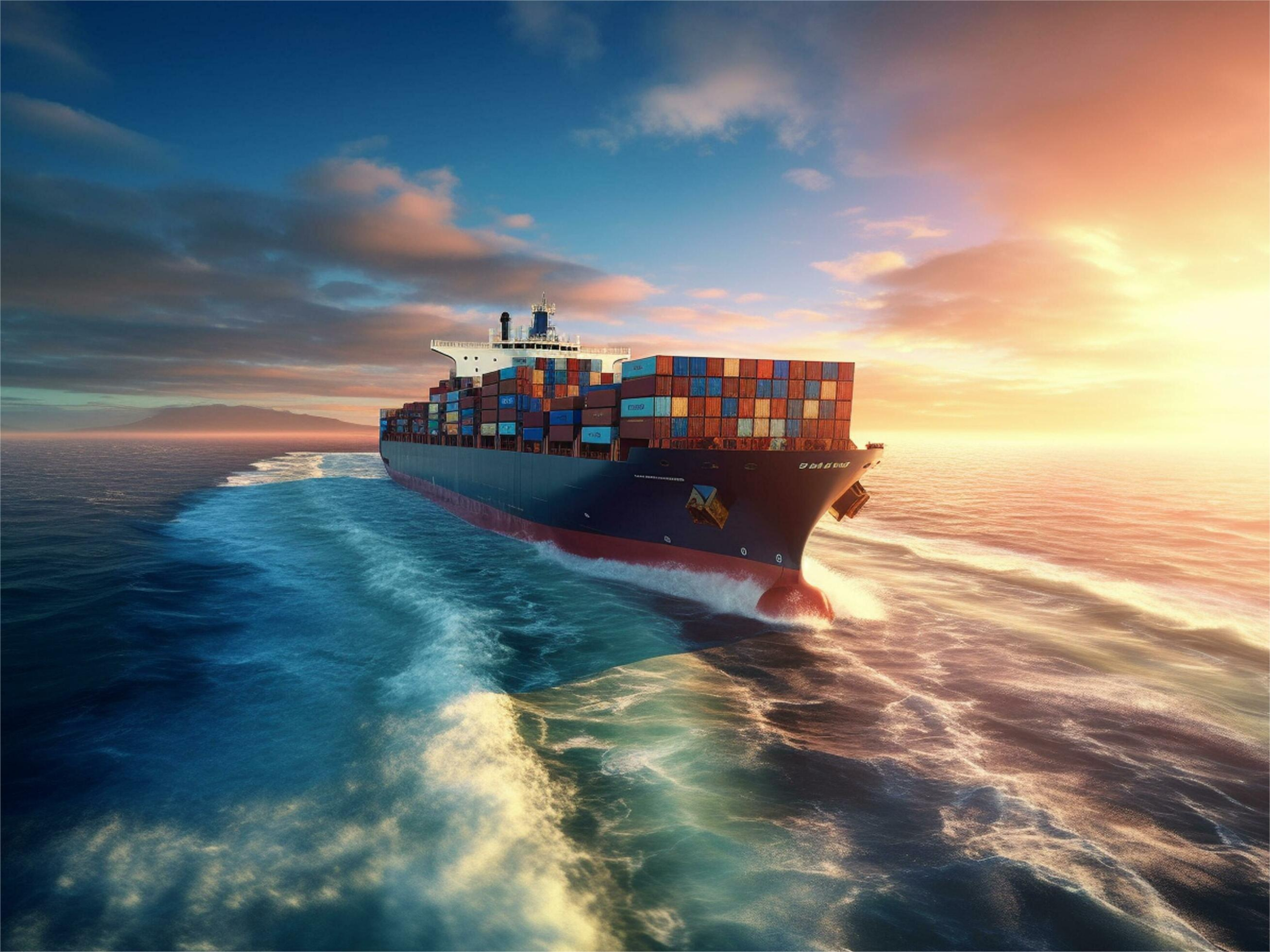
Securing a reliable china shipping quotation request freight forwarder service is the first step toward a successful international trade operation in 2026. By partnering with Global China Freight, businesses can navigate the complexities of global logistics with confidence and precision. This guide explores how to optimize your shipping costs while ensuring your cargo reaches its destination safely and on time.
Understanding the China Shipping Quotation Request Freight Forwarder Service
Requesting a logistics quote involves more than just asking for a price per kilogram or container. Specifically, a comprehensive china shipping quotation request freight forwarder service includes a detailed breakdown of ocean or air freight, local handling fees, and surcharges. Furthermore, modern logistics providers in 2026 utilize digital platforms to provide real-time updates on these costs.
Accurate information remains the most critical component of any quote request. You must provide the exact dimensions, weight, and nature of your goods to avoid unexpected adjustments later. Consequently, transparency between the shipper and the forwarder prevents delays at the port of loading.
Market conditions in 2026 have stabilized following the disruptions of previous years. However, seasonal fluctuations still impact the availability of space on major carriers. Therefore, booking your shipment well in advance is highly recommended to secure the best possible rates for your specific route.
How Does China Shipping Quotation Request Freight Forwarder Service Compare to Other Shipping Options?
Evaluating different transportation modes is essential for balancing budget and speed. While some businesses prioritize cost, others require the fastest possible delivery to maintain inventory levels. In addition, the volume of your cargo often dictates which method provides the best value for money.
Sea freight remains the backbone of global trade for large volumes. On the other hand, air freight offers unparalleled speed for high-value or perishable items. Meanwhile, rail freight has emerged as a middle-ground solution for transcontinental shipments between China and Europe.
Hybrid solutions, such as sea-air combinations, are also gaining popularity in 2026. These services allow shippers to save money compared to pure air freight while significantly reducing the transit time of standard sea routes. Indeed, choosing the right strategy depends on your specific supply chain requirements.
| Shipping Method | Cost Range | Transit Time | Best For |
|---|---|---|---|
| Sea Freight | 1,800 – 4,500 USD | 14 – 40 Days | Bulk items and FCL |
| Air Freight | 5.00 – 12.00 USD/kg | 3 – 7 Days | Urgent high-value goods |
| Rail Freight | 2,500 – 5,500 USD | 18 – 25 Days | Mid-sized Europe cargo |
| Express | 8.00 – 18.00 USD/kg | 2 – 5 Days | Small parcels and samples |
Choosing Between Sea Freight and Air Freight in 2026
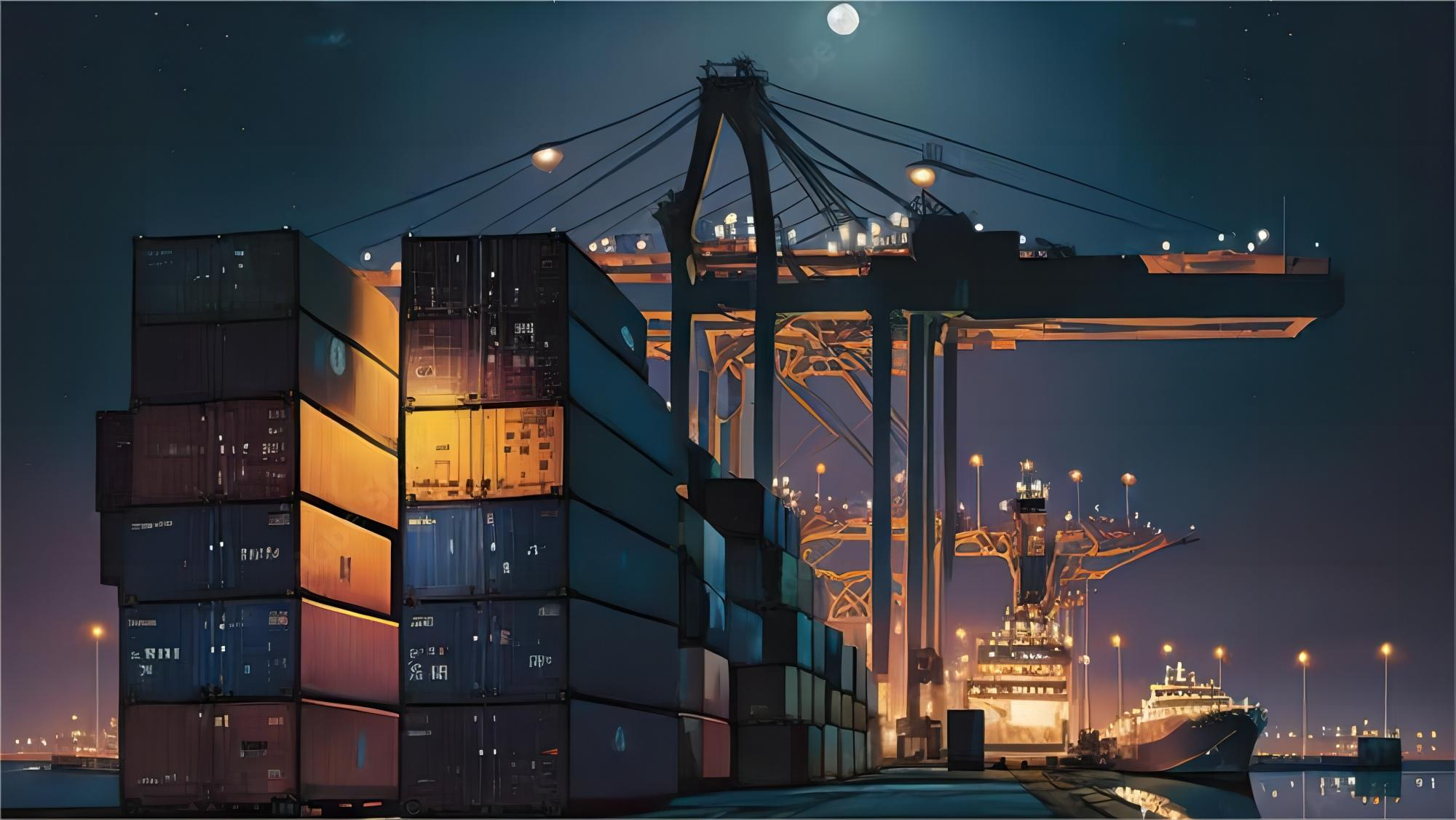
Selecting sea freight is typically the most economical choice for shipments exceeding 15 cubic meters. This method utilizes standardized containers, which simplifies the loading and unloading process at major ports like Shanghai or Ningbo. Moreover, FCL shipments offer better security and faster handling than LCL options.
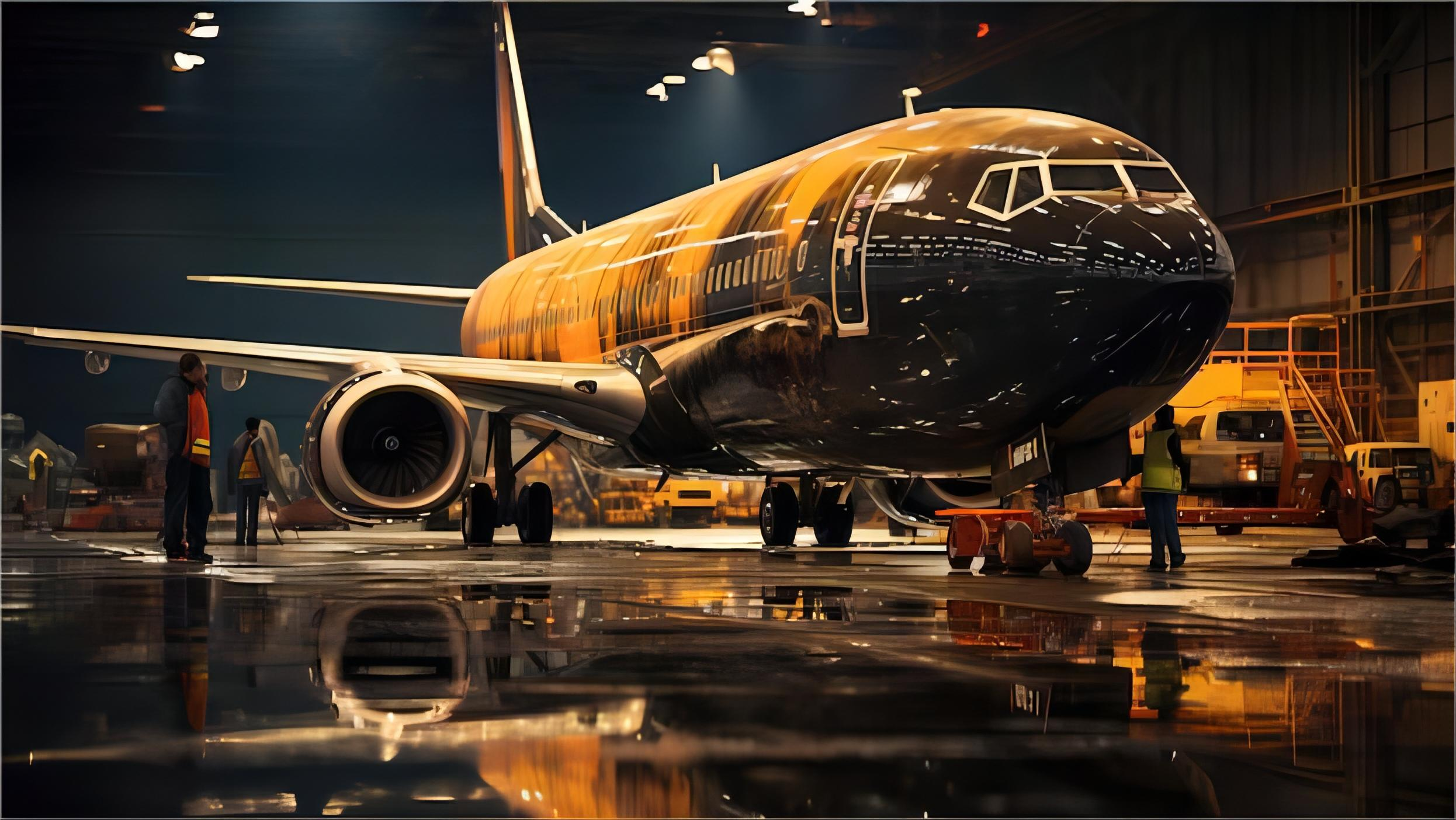
Opting for air freight becomes necessary when your production schedule is tight. Although the costs are higher, the reduction in transit time can save your business from costly stockouts. Additionally, air transport reduces the risk of damage for sensitive electronics or fashion items.
Freight rates are subject to change based on fuel costs, carrier capacity, and seasonal demand. Contact us for a current quote tailored to your specific shipment.
The Strategic Value of Rail Freight and Door to Door Services
Utilizing rail freight provides a reliable alternative for shipments destined for inland European cities. This mode is less affected by weather conditions compared to sea freight and offers more stability in pricing. Furthermore, the expansion of the New Silk Road has improved rail infrastructure across Central Asia.
Implementing door to door services eliminates the logistical headache of managing multiple providers. This comprehensive solution covers everything from factory pickup in China to final delivery at your warehouse. Consequently, it allows business owners to focus on sales rather than logistics management.
Market data suggests that integrated services reduce overall lead times by up to 15 percent. By streamlining the handoff between different carriers, forwarders can minimize the risk of cargo sitting idle at transit hubs. Therefore, a single-source logistics provider is often the most efficient choice for growing enterprises.
Shipping to North America: Trends and Regional Insights
Sending goods to North America requires a deep understanding of both West Coast and East Coast port dynamics. While Los Angeles and Long Beach are the primary gateways, congestion can occasionally make East Coast ports like Savannah more attractive. In addition, intermodal rail connections from the coast to the Midwest play a vital role in final delivery.
Customs regulations in the United States and Canada remain stringent in 2026. Shippers must ensure that all ISF filings are completed accurately and on time to avoid heavy fines. Moreover, staying informed about current tariff levels is essential for calculating the true landed cost of your products.
According to industry benchmarks, transit times to the West Coast have improved to approximately 14 to 18 days. However, shipments to the East Coast via the Panama Canal can still take upwards of 30 days. Nevertheless, planning your inventory around these schedules ensures a steady supply for your customers.
Essential Customs Documentation for International Shipments
Preparing the correct paperwork is the only way to ensure your cargo clears customs without delay. The commercial invoice, packing list, and bill of lading are the foundational documents for every export. Additionally, certain products may require specific certificates of origin or safety data sheets.
Errors in documentation are the leading cause of port storage charges and demurrage fees. For instance, a simple typo in the HS code can lead to an intensive examination by customs authorities. Therefore, working with an experienced forwarder who reviews your documents is a significant advantage.
Digital documentation is becoming the standard in 2026, allowing for faster processing. Many customs authorities now accept electronic signatures and digital copies of trade documents. Consequently, the transition to paperless logistics is reducing the time cargo spends at the border.
| Document Name | Purpose | Issuer | Requirement |
|---|---|---|---|
| Commercial Invoice | Value declaration | Seller/Exporter | Mandatory |
| Packing List | Cargo details | Seller/Exporter | Mandatory |
| Bill of Lading | Title to goods | Carrier | Mandatory |
| Certificate of Origin | Proof of source | Chamber of Commerce | Conditional |
Real-World Case Studies: 2026 Shipping Success
Case Study 1: Solar Panel Distribution to Europe. Route: Shanghai, China to Rotterdam, Netherlands. Cargo: Grade A Solar Panels, 68 CBM, 14,000 kg. Container: 2 x 40HQ. Shipping Details: Carrier: COSCO, Port of Loading: Shanghai, Port of Discharge: Rotterdam, Route Type: Direct. Cost Breakdown: Ocean Freight: 7,200 USD, Origin Charges: 600 USD, Destination Charges: 900 USD, Customs and Duties: 4,500 USD, Total Landed Cost: 13,200 USD. Timeline: Booking to Loading: 5 days, Sea Transit: 32 days, Customs Clearance: 3 days, Total Door-to-Door: 45 days. Key Insight: Utilizing direct routing avoided transshipment delays during the Q3 peak season.
Case Study 2: Fast Fashion Launch in North America. Route: Guangzhou, China to New York, USA. Cargo: Apparel, 8 CBM, 1,200 kg. Shipping Method: Air Freight. Shipping Details: Carrier: Major Air Carrier, Airport of Loading: Guangzhou (CAN), Airport of Discharge: New York (JFK). Cost Breakdown: Air Freight: 9,600 USD, Local Handling: 400 USD, Customs Brokerage: 150 USD, Total Landed Cost: 10,150 USD. Timeline: Pickup to Flight: 2 days, Air Transit: 14 hours, Customs Clearance: 1 day, Total Door-to-Door: 5 days. Key Insight: Air freight allowed the client to meet a strict retail launch deadline that sea freight would have missed.
Case Study 3: Furniture Export to Australia. Route: Ningbo, China to Sydney, Australia. Cargo: Home Furniture, 25 CBM, 4,500 kg. Container: 20GP. Shipping Details: Carrier: Maersk, Port of Loading: Ningbo, Port of Discharge: Sydney. Cost Breakdown: Ocean Freight: 1,100 USD, Origin Charges: 300 USD, Destination Charges: 550 USD, Total Landed Cost: 1,950 USD. Timeline: Booking to Loading: 4 days, Sea Transit: 15 days, Customs Clearance: 2 days, Total Door-to-Door: 25 days. Key Insight: Booking 3 weeks in advance secured a rate 15 percent below the market average.
Which Option Should You Choose? A Decision Framework
Budget priority is often the deciding factor for established businesses with predictable demand. If your margins are slim, sea freight is almost always the recommended option. However, you must account for the longer lead times by carrying more safety stock in your local warehouse.
Speed priority is essential for startups or companies launching new products. If you need to test the market quickly, air freight or express services provide the necessary agility. Furthermore, the higher cost of shipping is often offset by the ability to generate revenue weeks earlier.
Cargo type considerations also play a major role in your choice. Heavy machinery is naturally suited for sea containers, while fragile electronics benefit from the smoother handling of air transport. Indeed, a thorough analysis of your product’s characteristics will lead you to the most logical shipping method.
Final Thoughts on Global Logistics
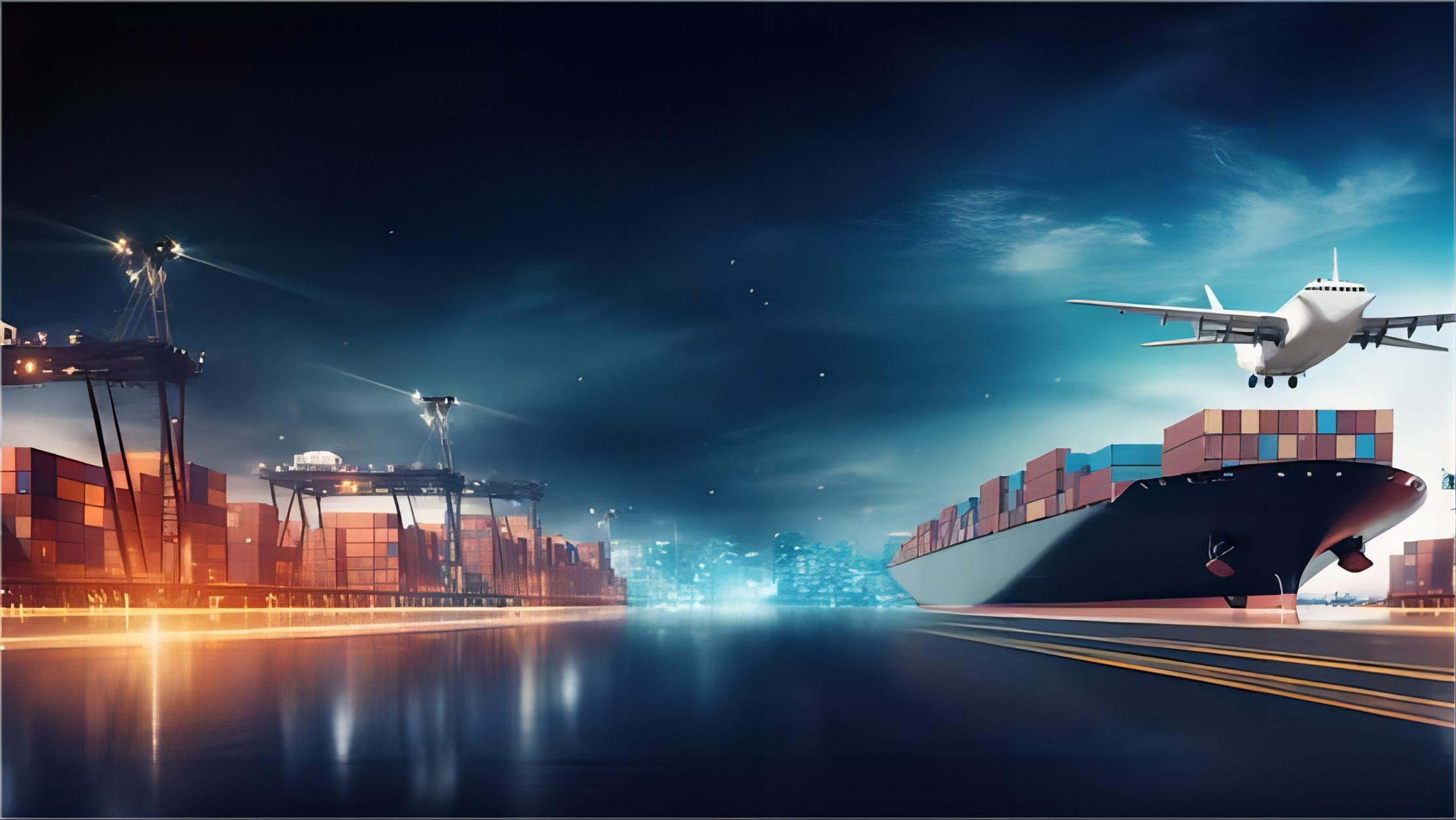
Navigating the world of international trade requires a strategic approach to logistics and a reliable partner. By submitting a comprehensive china shipping quotation request freight forwarder service, you gain the clarity needed to make informed business decisions. Whether you choose sea, air, or rail, the goal remains the same: efficient and cost-effective delivery.
Global China Freight is committed to providing transparent pricing and exceptional service for all your shipping needs. As market conditions evolve in 2026, staying informed and adaptable will be your greatest strength. Start your journey toward seamless global shipping today by reaching out for a customized quote.
Get Your Shipping Quote Today
Ready to optimize your supply chain? Request your china shipping quotation request freight forwarder service today and let our experts handle the heavy lifting. Send Inquiry: https://globalchinafreight.com/
Request Quote