

International Shipping Agent China Cargo Forwarding Service: 2026 Guide
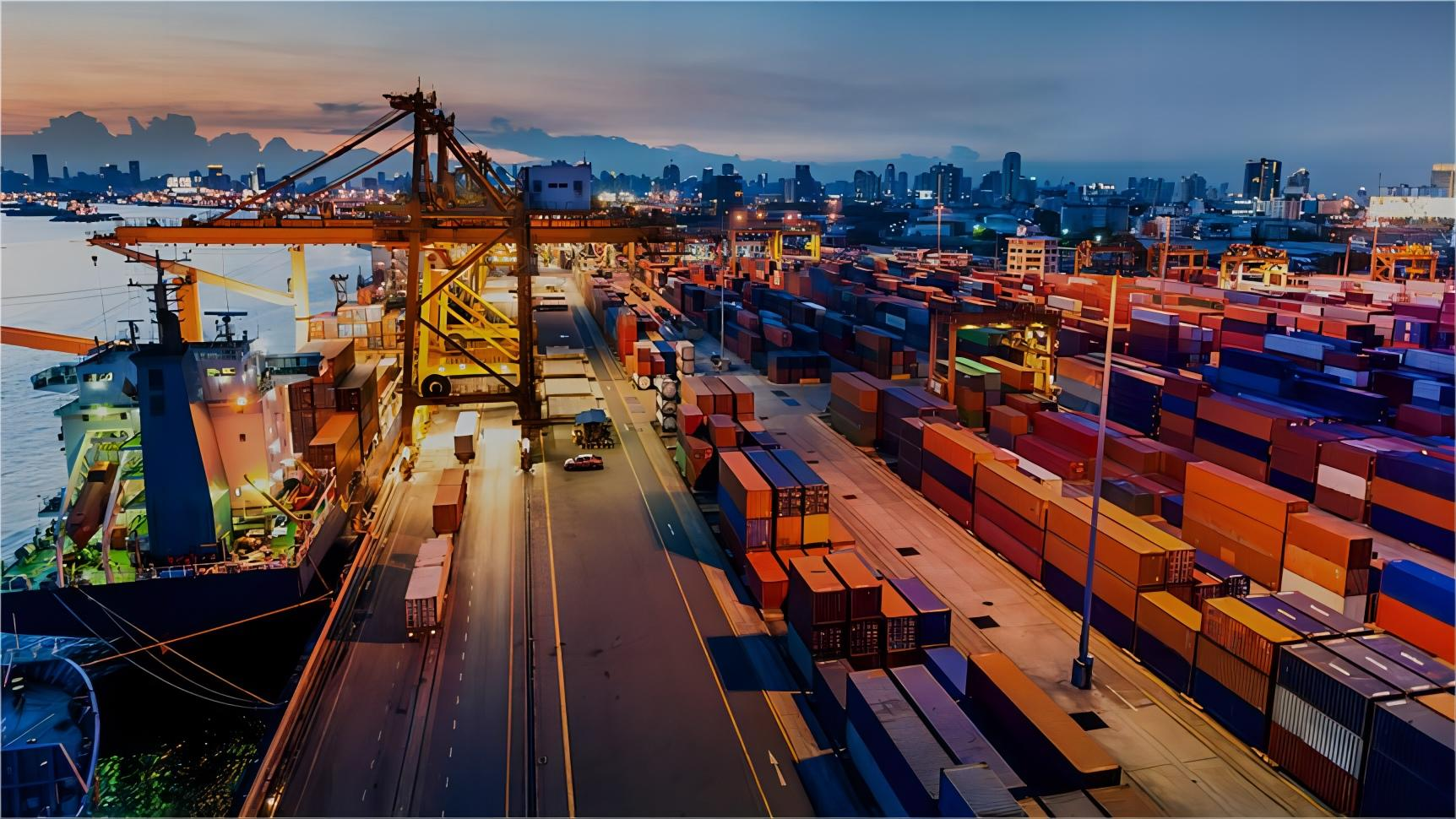
International shipping agent china cargo forwarding service providers are essential partners for businesses navigating the complexities of global trade in 2026. Selecting a reliable logistics partner like Global China Freight ensures that your supply chain remains resilient against market fluctuations and port congestion. This comprehensive guide explores how expert forwarding services optimize costs and improve delivery schedules for modern importers.

Understanding the International Shipping Agent China Cargo Forwarding Service
Modern logistics requires more than just moving boxes from one point to another. Indeed, a professional international shipping agent china cargo forwarding service acts as a strategic intermediary between shippers and carriers. These experts manage the entire lifecycle of a shipment, including booking space, coordinating inland transport, and managing complex documentation.
Consequently, businesses can focus on their core operations while the forwarder handles the technicalities of international trade compliance. Furthermore, agents leverage their relationships with major steamship lines to secure competitive freight rates that individual shippers often cannot access. Meanwhile, they provide real-time supply chain visibility through advanced tracking technologies.
Specifically, a forwarder in 2026 must adapt to rapid changes in fuel surcharges and carrier capacity. Therefore, choosing an agent with a robust network in China is vital for ensuring cargo handling efficiency. They serve as your eyes and ears on the ground, preventing delays before they occur.
The Role of a Freight Forwarder in 2026
Logistics technology has evolved significantly, allowing forwarders to offer highly personalized solutions. For example, many agents now use AI-driven analytics to predict transit times and potential port delays. Additionally, they manage the integration of various transport modes to create a seamless shipping experience.
Nevertheless, the human element remains crucial for solving unexpected problems at the port of loading. Professional agents ensure that all cargo is packed correctly and that all export licenses are in order. This proactive approach minimizes the risk of costly storage fees or customs seizures.
How Does Sea Freight Compare to Other Shipping Options?
Choosing the right shipping method is a balancing act between budget and speed. For most large-scale shipments, sea freight remains the most economical choice for long-distance trade. However, alternative modes like air and rail freight offer distinct advantages depending on the urgency of the cargo.
Notably, sea freight rates in early 2026 have stabilized, making it an attractive option for high-volume goods. In contrast, air freight provides unmatched speed for high-value electronics or seasonal fashion items. Rail freight serves as a middle ground for shipments heading to Europe, offering faster transit than the sea at a lower cost than the air.
To summarize, shippers must evaluate their specific needs before committing to a method. Indeed, a hybrid approach often yields the best results for complex supply chains. Below is a detailed comparison of the primary shipping methods available from China in 2026.
| Shipping Method | Cost Range | Transit Time | Best For |
|---|---|---|---|
| Sea Freight (FCL) | $1,500 – $4,500 | 18 – 40 Days | Bulk goods, heavy machinery |
| Air Freight | $5 – $12 per kg | 3 – 7 Days | High-value, urgent cargo |
| Rail Freight | $80 – $150 per CBM | 15 – 22 Days | Mid-range budget to Europe |
| Express Service | $8 – $18 per kg | 2 – 5 Days | Small parcels, samples |
Strategic Alternatives for Cost-Effective China Logistics
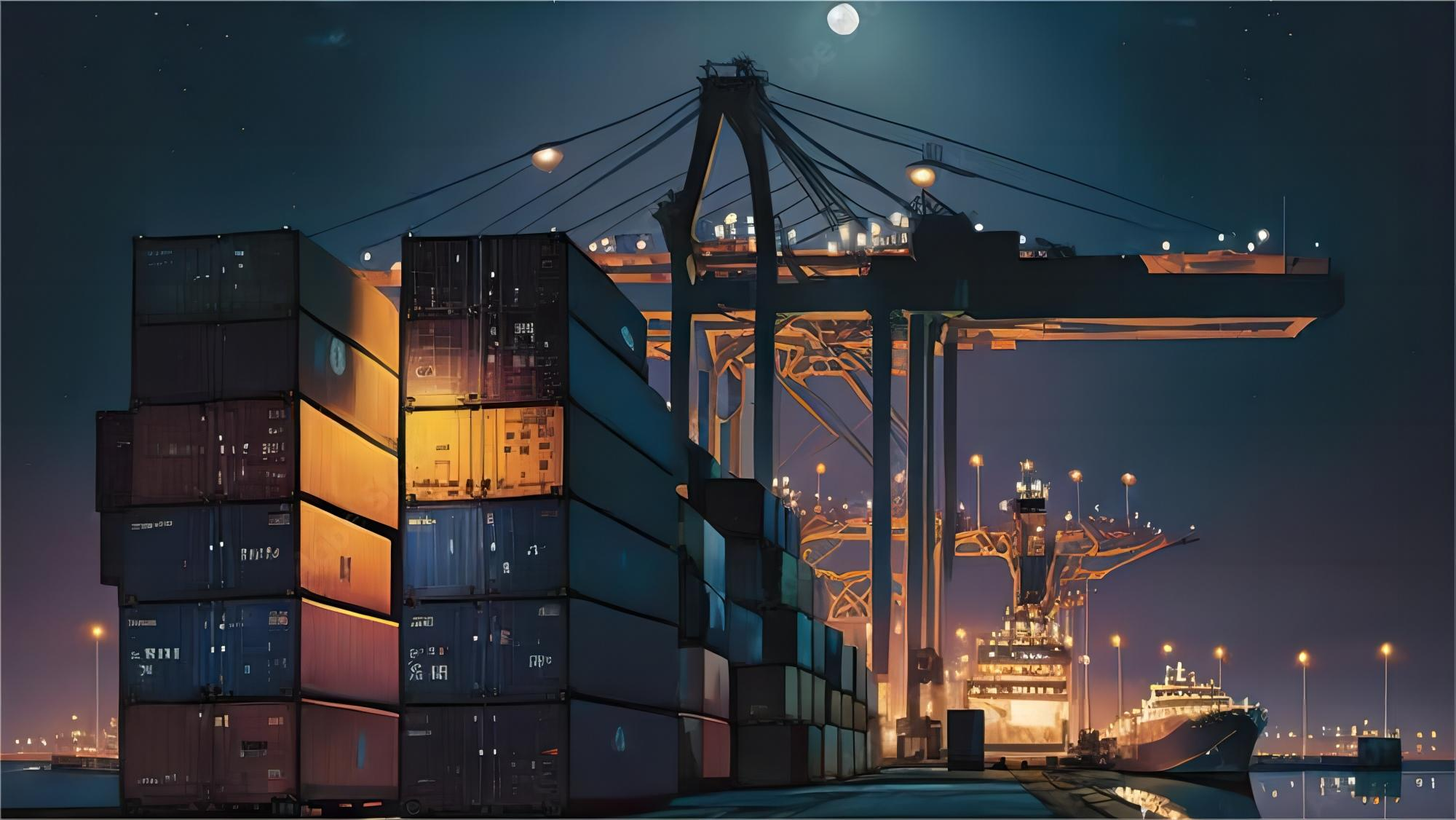
Optimizing your shipping strategy requires looking beyond standard transport modes. For instance, air freight can be combined with sea freight in a sea-air solution to balance cost and speed. This alternative is particularly useful when port congestion affects traditional ocean routes.
Moreover, choosing between Full Container Load (FCL) and Less than Container Load (LCL) can significantly impact your bottom line. If you are shipping less than 15 CBM, LCL is typically more cost-effective. However, FCL offers better security and faster handling because the container is not shared with other shippers.
Additionally, consider the timing of your bookings to avoid peak season surcharges. Rates typically increase by 15% to 25% during the months leading up to the holiday season. By planning shipments during off-peak periods, you can save thousands of dollars on annual logistics costs.
Cost-Saving Strategies for 2026
Consolidating multiple small orders into a single FCL shipment is a proven way to reduce expenses. Furthermore, negotiating long-term contracts with your international shipping agent china cargo forwarding service can lock in favorable rates. Always request a detailed breakdown of all origin and destination charges to avoid hidden fees.
Another effective strategy involves optimizing your packaging to reduce volumetric weight. Since many carriers charge based on the space occupied, smaller boxes lead to direct savings. Consequently, efficient cargo handling starts at the factory floor with smart packaging designs.
Which Shipping Option Should You Choose? A Decision Framework
Selecting the ideal logistics path depends on four primary factors: budget, time, cargo type, and volume. If budget is your absolute priority, sea freight is the clear winner for almost any volume. Conversely, if your cargo must arrive within a week, air freight or express services are the only viable options.
For cargo types, hazardous materials or oversized equipment require specialized handling that only certain sea carriers provide. Meanwhile, volume thresholds play a role in the FCL vs. LCL decision. Generally, once a shipment exceeds 15 CBM, the cost of a 20GP container becomes more economical than paying per cubic meter in LCL.
Market data suggests that in 2026, many shippers are moving toward multi-modal transport. This approach uses rail for the long-haul leg and trucks for the final mile delivery. This flexibility allows businesses to bypass congested ports and maintain a steady delivery schedule.
| Priority | Recommended Method | Key Trade-off | Volume Threshold |
|---|---|---|---|
| Lowest Cost | Sea Freight (LCL/FCL) | Longest transit time | Any volume |
| Maximum Speed | Air Freight / Express | Highest price point | Under 500kg |
| Balance | Rail Freight | Limited to land routes | Over 2 CBM |
| Reliability | Direct Sea Route | Higher freight rate | Full containers |
Real-World Case Studies: China Cargo Forwarding in Action
Analyzing real shipments provides valuable insights into current market conditions and pricing. These examples reflect typical rates and timelines observed in the first half of 2026. Each case highlights the importance of choosing the right international shipping agent china cargo forwarding service to manage specific logistics challenges.
Notably, fluctuations in fuel prices and port efficiency can alter these outcomes. However, these benchmarks serve as a reliable starting point for planning your 2026 budget. Below are three detailed scenarios covering major global trade routes.
Note: Freight rates are subject to change based on fuel costs, carrier capacity, and seasonal demand. Contact us for a current quote tailored to your specific shipment.
Case Study 1: Solar Panels to North America
Route: Ningbo, China to Long Beach, USA. Cargo: Solar Panels, 65 CBM. Container: 40HQ. Shipping Details: Direct service via COSCO. Ocean Freight: $3,200. Origin/Destination Charges: $850. Customs and Duties: $1,200. Total Landed Cost: $5,250. Sea Transit: 18 days. Total Door-to-Door: 26 days. Key Insight: Booking three weeks in advance secured a lower rate during a minor peak in demand.
Case Study 2: Electronics to Europe
Route: Shenzhen, China to Rotterdam, Netherlands. Cargo: Consumer Electronics, 2 CBM. Container: LCL. Shipping Details: Transshipment via Singapore. Ocean Freight: $180. Origin/Destination Charges: $450. Customs Clearance: $150. Total Landed Cost: $780. Sea Transit: 33 days. Total Door-to-Door: 42 days. Key Insight: LCL was significantly cheaper than air freight for this non-urgent restock.
Case Study 3: Furniture to Australia
Route: Shanghai, China to Melbourne, Australia. Cargo: Home Furniture, 28 CBM. Container: 20GP. Shipping Details: Direct carrier service. Ocean Freight: $1,100. Origin/Destination Charges: $600. Customs and Duties: $400. Total Landed Cost: $2,100. Sea Transit: 15 days. Total Door-to-Door: 22 days. Key Insight: Choosing a direct route saved 5 days compared to cheaper transshipment options.
Navigating Customs Brokerage and Import Compliance
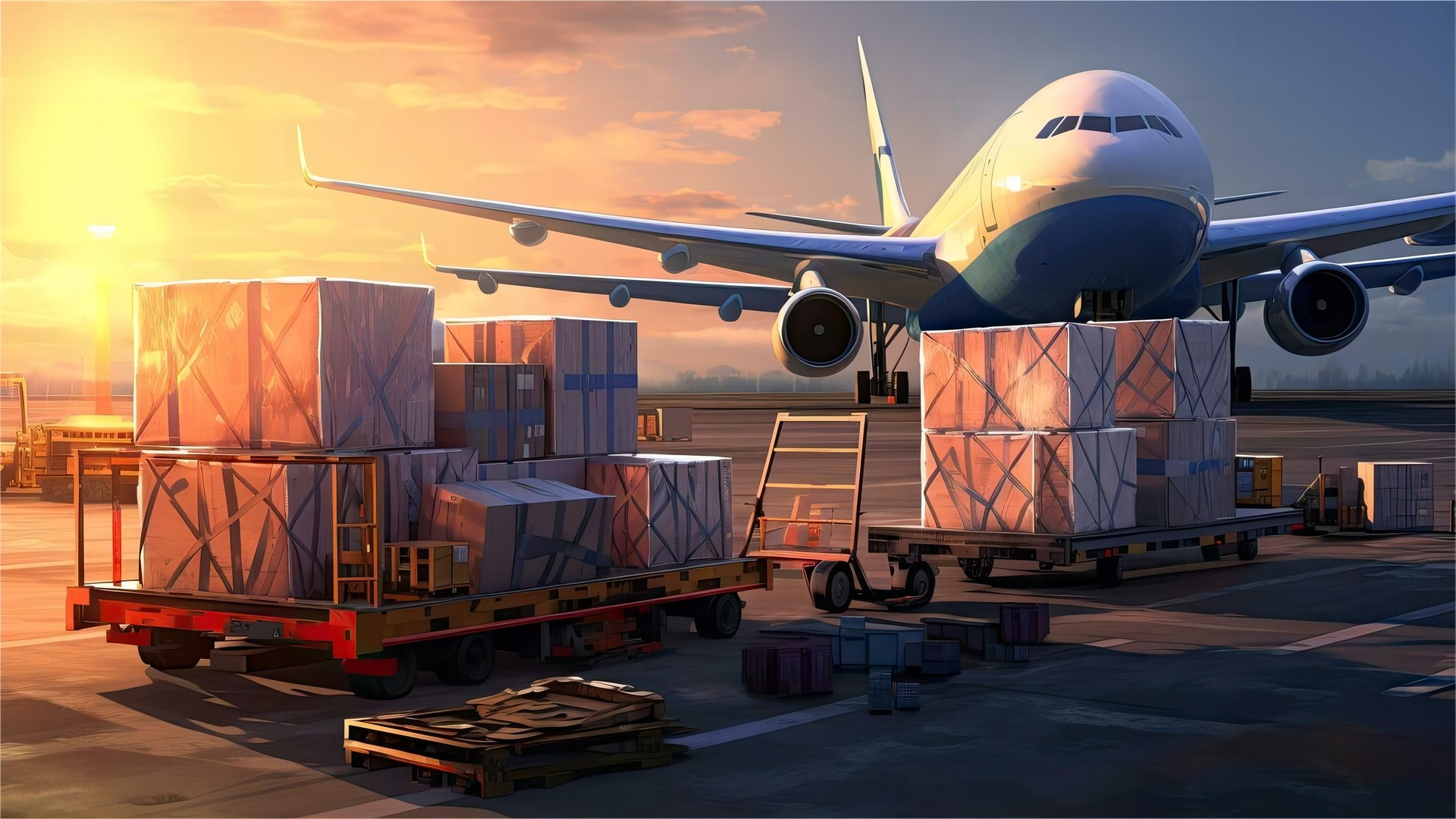
Customs clearance is often the most daunting part of the shipping process for many importers. However, a professional customs brokerage service simplifies this by ensuring all paperwork is accurate and complete. In 2026, trade regulations continue to evolve, making expert guidance more valuable than ever.
Indeed, missing a single document can lead to lengthy delays and expensive demurrage charges at the port. Forwarders verify that your Commercial Invoice, Packing List, and Bill of Lading are all synchronized. Furthermore, they help classify your goods under the correct Harmonized System (HS) codes to ensure you pay the proper duty rates.
Consequently, investing in professional brokerage services reduces the risk of audits and penalties from customs authorities. Many agents now offer digital document management systems that allow you to upload and track your paperwork in real-time. This transparency is a hallmark of a high-quality international shipping agent china cargo forwarding service.
| Document Name | Purpose | Required By | Criticality |
|---|---|---|---|
| Bill of Lading | Title to the goods | Carrier/Customs | Essential |
| Commercial Invoice | Value declaration | Customs | Essential |
| Packing List | Content verification | Warehouse/Customs | High |
| Certificate of Origin | Duty rate eligibility | Customs | Medium |
Expanding into the European Market: Shipping from China to Europe
The trade corridor between China and Europe remains one of the busiest in the world. When shipping from China to Europe, you have access to diverse transport options including sea, air, and rail. Each port in Europe, from Hamburg to Felixstowe, has its own specific handling procedures and inland connection strengths.
Moreover, the Red Sea situation in previous years has led to more robust contingency planning in 2026. Forwarders now offer diverse routing options to ensure that cargo reaches European consumers without interruption. Rail freight, in particular, has seen a resurgence as a reliable alternative to sea routes for Central European destinations.
Therefore, businesses must work closely with their agents to select the most resilient route. Whether you are shipping industrial parts to Germany or consumer goods to the UK, understanding regional logistics trends is key. A knowledgeable agent will help you navigate VAT regulations and EORI requirements across different EU member states.
Door-to-Door Solutions and Specialized Amazon FBA Logistics
For many modern e-commerce businesses, a door to door service is the ultimate convenience. This all-inclusive solution covers everything from factory pickup in China to final delivery at your warehouse or customer’s doorstep. It eliminates the need for the importer to coordinate multiple logistics providers, reducing the chance of communication errors.
Additionally, specialized Amazon FBA logistics have become a cornerstone of the international shipping agent china cargo forwarding service industry. Forwarders who understand Amazon’s strict labeling and palletization requirements help sellers avoid rejected shipments. They manage the entire process, including customs clearance and delivery to specific fulfillment centers.
Specifically, these services often include value-added options like quality inspections and re-packaging at the origin. By catching product defects before they leave China, you save on return shipping costs and protect your seller rating. This end-to-end support is vital for maintaining a competitive edge in the global marketplace.
Market Intelligence: Logistics Trends and Rate Forecasts for 2026
As we progress through 2026, several key trends are shaping the future of cargo forwarding. Sustainability has moved from a buzzword to a core requirement, with many carriers introducing green shipping lanes. Shippers are increasingly looking for ways to offset their carbon footprint through more efficient routing and alternative fuels.
Meanwhile, digitalization continues to transform how we interact with our supply chains. Real-time tracking and automated quoting systems are now standard features offered by top-tier agents. These tools provide the agility needed to respond to sudden market shifts or supply chain disruptions.
Finally, freight rates are expected to remain stable with moderate seasonal peaks. While we do not anticipate the extreme volatility seen in the early 2020s, staying informed through market intelligence reports is still essential. A proactive international shipping agent china cargo forwarding service will provide you with the data needed to make informed shipping decisions.
Final Thoughts on China Cargo Forwarding
In conclusion, navigating the world of international trade requires a deep understanding of logistics, regulations, and market trends. By choosing a professional international shipping agent china cargo forwarding service, you gain a strategic partner dedicated to your success. They provide the expertise needed to manage complex documentation, negotiate freight rates, and ensure timely delivery.
Whether you prioritize cost, speed, or reliability, there is a shipping solution that fits your business model. Stay proactive, plan ahead, and leverage the latest logistics technologies to keep your cargo moving efficiently across the globe in 2026.
Need a tailored shipping solution?
Streamline your global supply chain today by partnering with a leading international shipping agent china cargo forwarding service. Our team provides tailored logistics solutions that save you time and reduce your total landed costs. Visit Global China Freight to request a personalized quote and discover how we can optimize your shipping strategy for 2026. Send Inquiry to get started with our expert team.