

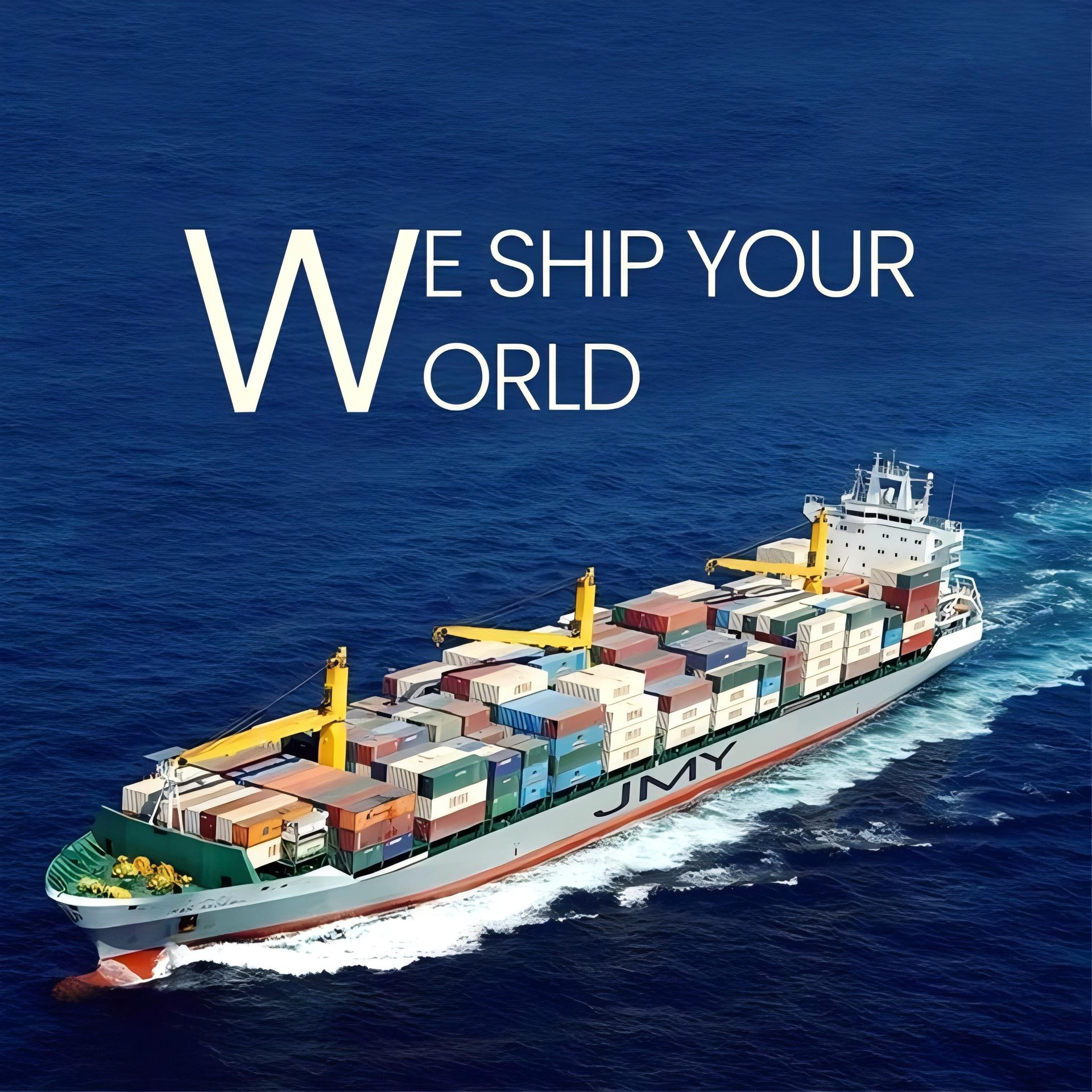
China Logistics Company Door to Door Freight Service: 2026 Guide
Finding a reliable china logistics company door to door freight service remains the most effective way to streamline your international supply chain in 2026. Managing the complexities of overseas transport often presents significant hurdles for growing businesses. By utilizing a comprehensive door to door solution, you eliminate the stress of coordinating multiple carriers and local trucking companies. This article explores how professional freight forwarding optimizes your delivery schedule while maintaining competitive freight rates.
What is a China Logistics Company Door to Door Freight Service?
A door to door freight service handles the entire transportation process from the supplier in China directly to the final destination. Specifically, the logistics provider manages pickup, international transport, customs clearance, and final mile delivery. This integrated approach removes the burden of logistics management from the importer.

Furthermore, modern door to door solutions provide real-time cargo tracking and centralized communication. Businesses benefit from having a single point of contact for their entire shipment journey. Consequently, this reduces the risk of communication errors between different logistics entities.
Selecting this service model allows you to focus on core business activities rather than navigating complex port procedures. Many companies now prefer this method because it offers predictable pricing and simplified documentation. It is the gold standard for efficient international trade in the current market.
How Does Door to Door Freight Compare to Other Shipping Options?
Comparing different shipping methods is essential for optimizing your logistics budget and timeline. While port-to-port shipping might seem cheaper initially, it often involves hidden costs at both ends of the journey. Door to door services provide a more transparent total landed cost by including all handling fees.
However, the best choice depends on your specific cargo volume and urgency. For instance, small shipments often move faster via express routes, while large volumes are better suited for sea transport. Below is a detailed comparison of the primary shipping methods available in 2026.
Alternative strategies involve using hybrid solutions like sea-air combinations to balance cost and speed. Meanwhile, direct routes are becoming more popular for high-value electronics and seasonal goods. Always evaluate the trade-offs between transit time and freight expenses before booking.
| Shipping Method | Cost Range | Transit Time | Best For |
|---|---|---|---|
| Air Freight | $5.50 – $12.00 per kg | 3 – 7 Days | Urgent, high-value goods |
| Sea Freight (FCL) | $2,500 – $5,500 per 40HQ | 25 – 45 Days | Bulk inventory, large items |
| Rail Freight | $120 – $250 per CBM | 18 – 25 Days | Mid-range budget to Europe |
| Express Service | $8.00 – $15.00 per kg | 2 – 5 Days | Samples and small parcels |
Which Shipping Option Should You Choose?
Budget priority dictates that you should recommend sea freight for non-urgent shipments exceeding 2 CBM. This method remains the most economical way to transport large volumes of consumer goods or industrial machinery. Consequently, most global trade relies on ocean transport to maintain healthy profit margins.
Speed priority requires a shift toward air freight or express services. If your inventory is low or you are launching a new product, the higher cost of air transport is often justified by the rapid market entry. Moreover, air cargo reduces the risk of damage for sensitive electronic components.
Cargo type considerations play a vital role in the decision-making process. Perishable items or hazardous materials require specialized handling and faster transit. In contrast, durable goods like textiles or furniture can withstand longer transit times in a container.
Volume thresholds often determine the switch between LCL and FCL. For shipments under 15 CBM, LCL is typically more cost-effective. Once you exceed 15 CBM, booking a full 20GP container usually provides better security and a lower per-unit cost.
Key Factors Influencing Your Shipping Costs in 2026
Shipping costs in 2026 are influenced by fluctuating fuel surcharges and carrier capacity. Specifically, the peak season from August to October often sees rate increases of 15 to 25 percent. Planning your shipments outside of these windows can lead to significant savings.
Additionally, customs duties and taxes represent a large portion of the total landed cost. Proper classification of goods using the correct HS codes is mandatory to avoid overpayment or legal penalties. Utilizing a professional customs brokerage ensures compliance with the latest trade regulations.
Port congestion and labor availability also impact the final price of logistics. While major hubs like Shanghai and Shenzhen are highly efficient, destination ports may experience delays. Therefore, choosing a forwarder with strong local partnerships is crucial for minimizing unexpected storage fees.
| Destination | 20GP Container | 40HQ Container | Transit Time |
|---|---|---|---|
| USA West Coast | $2,100 – $2,800 | $3,200 – $4,100 | 14 – 20 Days |
| Europe (Main Ports) | $2,400 – $3,100 | $3,800 – $4,900 | 30 – 40 Days |
| Australia (East) | $950 – $1,400 | $1,600 – $2,300 | 12 – 18 Days |
| United Kingdom | $2,300 – $3,000 | $3,600 – $4,700 | 32 – 42 Days |
Navigating Customs and Documentation Requirements
Successful door to door delivery depends heavily on accurate documentation. Every shipment must include a commercial invoice, packing list, and bill of lading. Without these documents, your cargo may face lengthy delays or seizure by customs authorities.
Moreover, specific countries require additional certificates like the Certificate of Origin or CE markings for electronics. In 2026, many customs departments have moved to fully digital filing systems. Consequently, your logistics partner must be proficient in electronic data interchange to speed up the clearance process.
Understanding the Incoterms used in your contract is equally important. Most door to door services operate under DDP or DAP terms, where the seller or forwarder handles most responsibilities. This clarity prevents disputes regarding who pays for local taxes and unloading fees.
Real Case Studies: Successful Door to Door Deliveries
Case Study 1: Electronics to North America
Route: Shenzhen, China to Los Angeles, USA. Cargo: High-end audio equipment, 12 CBM, 2,800 kg. Container: LCL shipment. Shipping Method: Sea Freight. Port of Loading: Shenzhen. Port of Discharge: Los Angeles. Ocean Freight: $1,450. Origin Charges: $320. Destination Charges: $450. Customs and Duties: $1,200. Total Landed Cost: $3,420. Timeline: 22 days door-to-door. Key Insight: Early booking and precise HS coding saved the client 15% on estimated duties.
Case Study 2: Apparel to Europe
Route: Ningbo, China to Hamburg, Germany. Cargo: Organic cotton clothing, 65 CBM, 8,500 kg. Container: 40HQ FCL. Shipping Method: Rail Freight. Port of Loading: Ningbo (via Xi’an rail hub). Port of Discharge: Hamburg. Rail Freight: $4,200. Origin Charges: $400. Destination Charges: $600. Customs and Duties: $2,100. Total Landed Cost: $7,300. Timeline: 24 days door-to-door. Key Insight: Rail provided a faster alternative to sea while remaining significantly cheaper than air for this seasonal collection.
Case Study 3: E-commerce Inventory to Australia
Route: Guangzhou, China to Sydney, Australia. Cargo: Home decor items, 5 CBM, 900 kg. Container: LCL. Shipping Method: Amazon FBA Door to Door. Port of Loading: Guangzhou. Port of Discharge: Sydney. Sea Freight: $650. Origin Charges: $150. Destination Charges: $280. Customs and Duties: $400. Total Landed Cost: $1,480. Timeline: 16 days door-to-door. Key Insight: Utilizing an integrated FBA service simplified the final delivery to the fulfillment center.
Alternative Logistics Strategies for Cost Savings
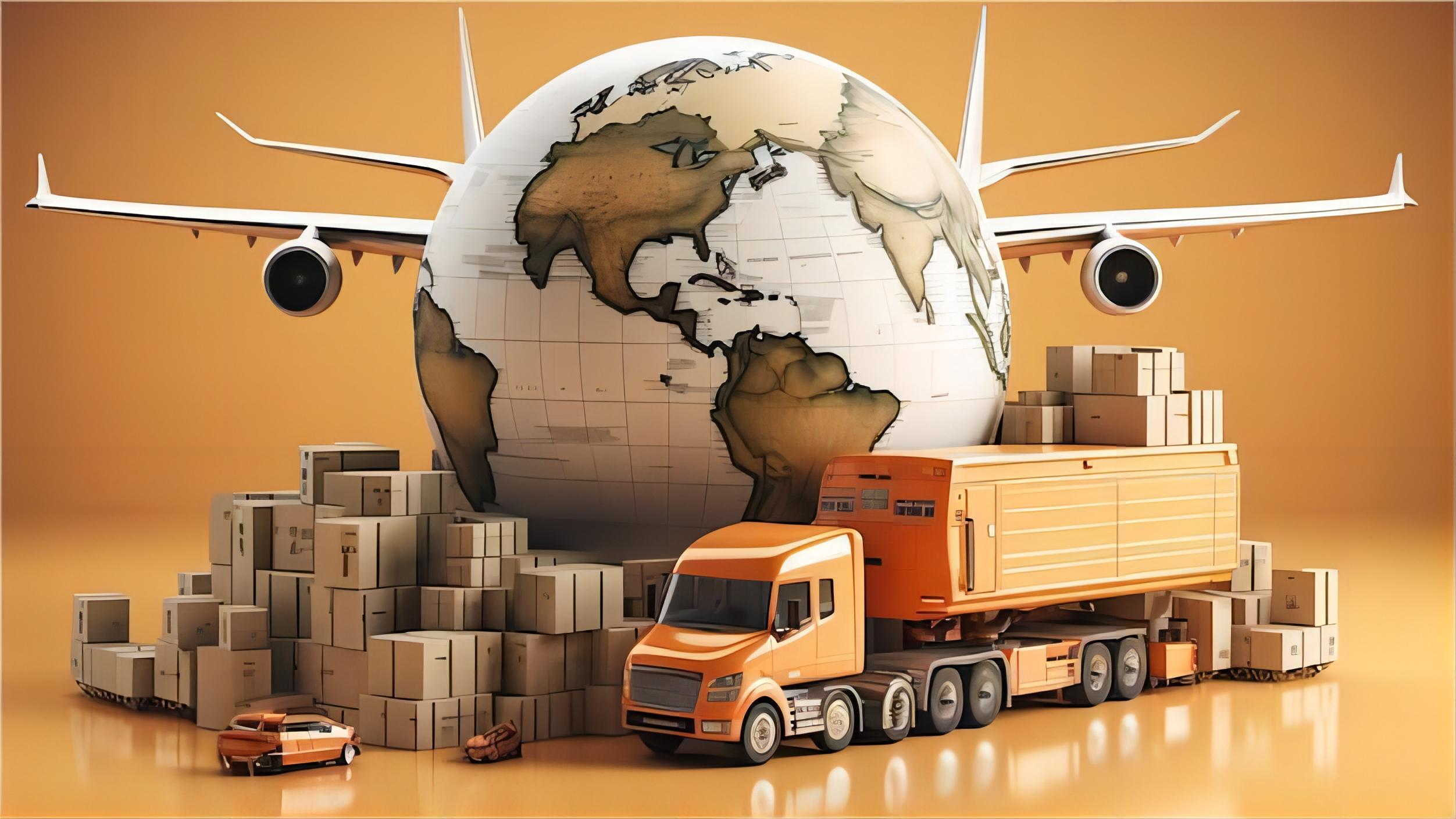
Implementing a multi-modal strategy can often reduce your overall shipping expenses. For example, shipping goods by sea to a regional hub and then using express service for the final leg can save time without the full cost of air freight. This approach is particularly effective for reaching remote inland locations.
Consolidating multiple small orders into a single LCL or FCL shipment is another powerful cost-saving tactic. Instead of paying multiple minimum handling fees, you benefit from bulk rates. Furthermore, many forwarders offer warehouse consolidation in China to help you manage various suppliers.
Monitoring market trends allows you to lock in rates when capacity is high. In early 2026, market data suggests that contract rates for long-term shippers have stabilized. However, spot rates continue to fluctuate based on regional trade demand and port efficiency.
Final Thoughts on Door to Door Freight
Choosing a comprehensive china logistics company door to door freight service is a strategic move for any business involved in international trade. By consolidating all logistics tasks under one provider, you gain better visibility and control over your cargo. This method not only saves time but also reduces the likelihood of hidden costs and shipping delays.
As we move through 2026, the importance of a resilient and flexible supply chain cannot be overstated. Whether you choose sea, air, or rail, the key to success lies in partnering with an experienced freight forwarder. Start planning your next shipment today to ensure your goods arrive safely and on schedule.
Need a tailored shipping solution?
Ready to optimize your supply chain with a professional china logistics company door to door freight service? Contact Global China Freight today for a customized quote and expert guidance on your next shipment. Send Inquiry