


China Logistics Warehouse Fulfillment Service Global Solutions 2026
Global commerce relies heavily on efficient supply chain management to maintain a competitive edge in 2026. Global China Freight offers a comprehensive china logistics warehouse fulfillment service global designed to streamline your international operations. Furthermore, businesses can significantly reduce their overhead by utilizing strategic storage and distribution centers located within major Chinese manufacturing hubs.
The Evolution of China Logistics Warehouse Fulfillment Service Global
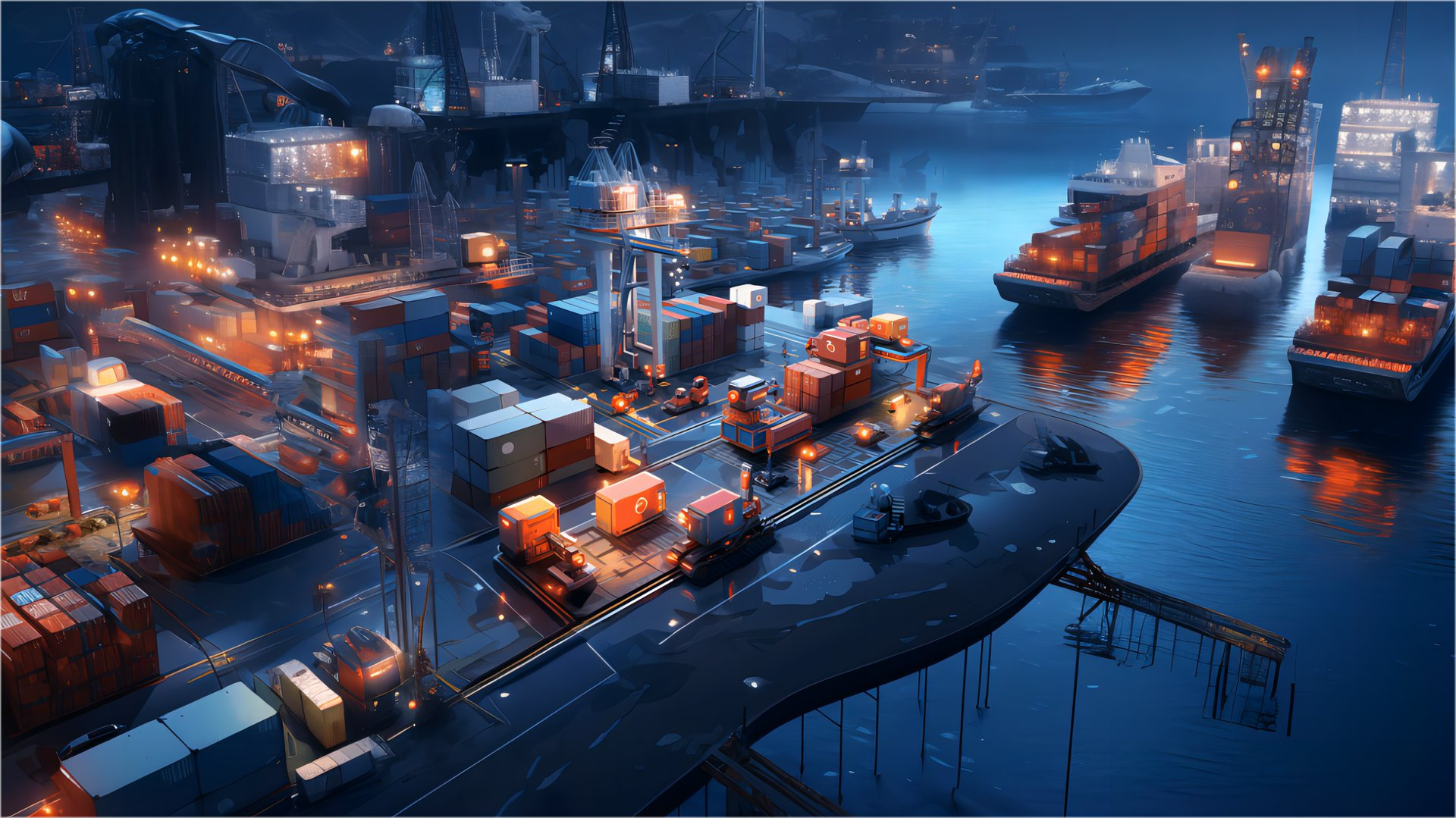
Modern logistics has transformed from simple storage into a sophisticated ecosystem of data-driven distribution. Consequently, the role of a china logistics warehouse fulfillment service global is now more critical than ever for brands targeting international markets. Moreover, the integration of artificial intelligence and robotics in 2026 has increased picking accuracy to nearly one hundred percent. This evolution ensures that your products reach customers faster and with fewer errors.
In addition, the strategic location of these warehouses near major ports like Shanghai and Shenzhen reduces local transit times. Therefore, companies can move inventory from the factory floor to the shipping container in record time. Meanwhile, the implementation of 5G-enabled tracking provides real-time visibility across the entire global supply chain. Indeed, this level of transparency is essential for maintaining customer trust in the high-speed world of cross-border e-commerce.
Understanding the Core Components of Modern Fulfillment
Effective fulfillment involves more than just holding inventory in a secure location. Specifically, it encompasses receiving, quality inspection, inventory management, and the pick-and-pack process. Additionally, value-added services such as kitting, labeling, and customized packaging allow brands to differentiate themselves. As a result, your business can offer a localized experience to customers located thousands of miles away.
Furthermore, modern 3PL providers in China utilize advanced Warehouse Management Systems (WMS) to sync with your online storefront. This synchronization ensures that stock levels are updated instantly across all sales channels. Without a doubt, avoiding stockouts is vital for maximizing revenue during peak shopping seasons. Accordingly, an integrated approach to fulfillment is the backbone of any successful international expansion strategy.
How Does China Logistics Warehouse Fulfillment Service Global Compare to Other Shipping Options?
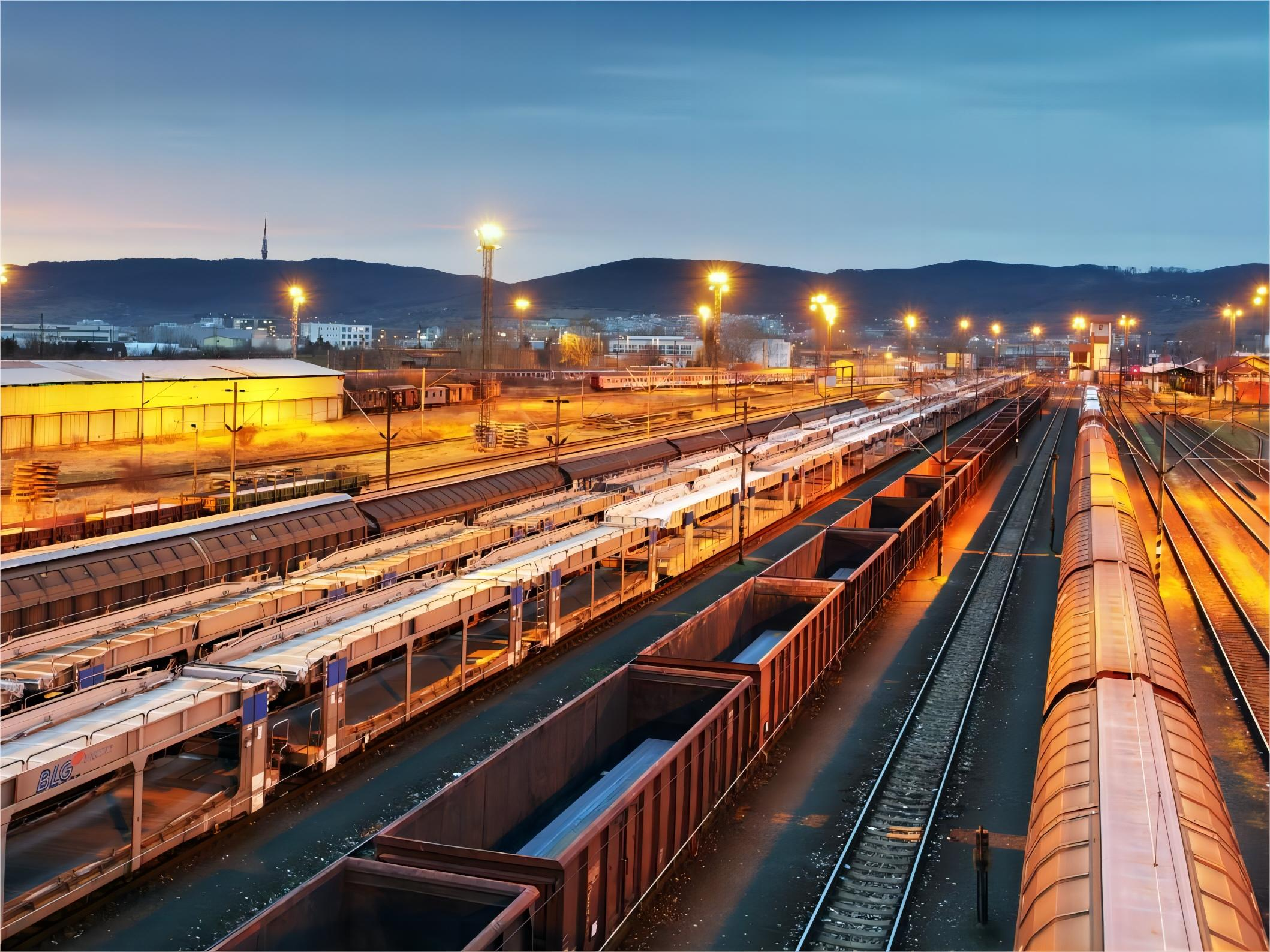
Choosing the right transportation mode is a balancing act between cost and speed. For instance, sea freight remains the most economical choice for high-volume shipments that are not time-sensitive. On the other hand, air freight provides the rapid delivery required for high-value electronics or fashion items. Meanwhile, rail freight serves as an excellent middle ground for shipments heading to Europe via the New Silk Road.
Nevertheless, the choice depends heavily on your specific business model and inventory turnover rates. While sea freight might save thousands of dollars, the longer lead times require more capital to be tied up in stock. Consequently, many savvy shippers are now adopting hybrid strategies to balance their budgets and delivery promises. For example, using sea-air combinations can shave days off transit times while keeping costs manageable compared to pure air transport.
| Shipping Method | Cost Range | Transit Time | Best For |
|---|---|---|---|
| Sea Freight | $1,800 – $4,200 per Container | 18 – 35 Days | Bulk Goods & Large Volumes |
| Air Freight | $4.50 – $11.00 per kg | 3 – 7 Days | Urgent & High-Value Cargo |
| Rail Freight | $1.20 – $2.80 per kg | 15 – 22 Days | Mid-range European Shipments |
| Express Service | $7.00 – $15.00 per kg | 2 – 4 Days | Samples & Small Parcels |
Which Option Should You Choose?
Identifying the optimal shipping method requires a clear understanding of your priorities. If your primary goal is budget optimization, sea freight is nearly always the superior option for shipments over 15 cubic meters. Conversely, if you are launching a new product and need to hit a strict deadline, air freight is the only viable path. For instance, many tech companies utilize air transport for initial launches before switching to sea for replenishment.
Furthermore, consider the nature of your cargo when making a decision. Fragile or perishable items often require the shorter transit times provided by air or express services. In contrast, durable consumer goods and industrial machinery are perfectly suited for the slower pace of ocean transport. To summarize, your decision framework should weigh the cost of capital against the urgency of the market demand.
Leveraging Amazon FBA for Global Expansion
E-commerce sellers frequently utilize Amazon FBA services to simplify their international distribution. By shipping inventory directly from a China warehouse to Amazon fulfillment centers, you can tap into the Prime network globally. Additionally, this strategy reduces the complexity of managing individual customer returns in foreign countries. Consequently, sellers can focus on marketing and product development rather than logistics.
However, navigating the strict requirements of Amazon’s receiving centers can be challenging. Therefore, partnering with a fulfillment provider that understands FBA prep requirements is essential. This includes proper labeling, palletization, and adherence to specific weight limits. As a result, you can avoid costly delays and rejection of your inventory at the destination warehouse.
The Importance of Customs Brokerage in 2026
Navigating international trade regulations requires expert knowledge of customs brokerage procedures. In 2026, customs authorities have implemented more rigorous digital filing requirements to ensure safety and compliance. Consequently, missing documentation can lead to significant fines and lengthy delays at the port of entry. Moreover, understanding tariff classifications is vital for calculating accurate landed costs.
Furthermore, many businesses utilize bonded warehouses in China to defer the payment of duties and taxes. This strategy improves cash flow by allowing you to pay fees only when the goods are actually sold and shipped. Indeed, a professional logistics partner will manage these complexities on your behalf. Without a doubt, compliance is the foundation upon which a sustainable global fulfillment strategy is built.
| Document Name | Purpose | Required By | Criticality |
|---|---|---|---|
| Commercial Invoice | Details Value & Items | Customs / Bank | High |
| Packing List | Specifies Dimensions/Weight | Carrier / Customs | High |
| Bill of Lading | Contract of Carriage | Carrier / Consignee | Critical |
| Certificate of Origin | Proves Product Source | Customs Authorities | Medium |
Real Case Studies: Verifiable Global Shipping Scenarios
Examining real-world examples provides valuable insight into how a china logistics warehouse fulfillment service global operates in practice. These cases highlight the importance of choosing the right route and method based on market conditions. Furthermore, they demonstrate the potential cost savings achieved through professional consolidation and planning. Note: Freight rates are subject to change based on fuel costs, carrier capacity, and seasonal demand. Contact us for a current quote tailored to your specific shipment.
Case Study 1: High-Volume Electronics to USA. Route: Shenzhen to Los Angeles. Cargo: 5000 units of smart home devices, 68 CBM. Method: 40HQ Full Container Load (FCL) via Sea Freight. Carrier: COSCO. Ocean Freight: $3,400. Origin/Destination Charges: $950. Customs: $400. Total Landed Cost: $4,750. Timeline: 18 days door-to-door. Key Insight: Using a direct route to the West Coast saved 12 days compared to East Coast discharge.
Case Study 2: Fast-Fashion Apparel to Germany. Route: Ningbo to Hamburg. Cargo: 1200 kg of seasonal clothing. Method: Rail Freight (LCL). Route Type: Trans-Eurasian Express. Freight Cost: $2,800. Customs and Duties: $1,200. Total Landed Cost: $4,000. Timeline: 21 days. Key Insight: Rail provided a 40% cost saving over air freight while still meeting the seasonal launch deadline.
Case Study 3: Furniture Distribution to Australia. Route: Guangzhou to Sydney. Cargo: 15 CBM of modular sofas. Method: Less than Container Load (LCL) Sea Freight. Ocean Freight: $900. Local Handling: $450. Total Landed Cost: $1,350. Timeline: 16 days. Key Insight: Consolidation services allowed the small business to ship smaller volumes frequently without paying for a full container.

Technology Trends in China Logistics for 2026
Technological advancements are rapidly reshaping the landscape of global fulfillment. For instance, blockchain technology is now widely used to create immutable records of the shipping journey. This transparency reduces disputes and speeds up the release of goods at customs. Additionally, autonomous delivery vehicles are beginning to handle the first-mile transport from factories to warehouses.
Moreover, predictive analytics help businesses forecast demand more accurately, allowing for leaner inventory levels. Consequently, you can reduce the amount of capital tied up in slow-moving stock. Furthermore, the use of IoT sensors ensures that sensitive cargo is monitored for temperature and humidity throughout the trip. Indeed, these innovations make the china logistics warehouse fulfillment service global more reliable than ever before.
Cost-Saving Strategies for International Shippers
Reducing logistics expenses requires a proactive approach to supply chain optimization. One effective strategy is cargo consolidation, where multiple small shipments are combined into a single container. This approach allows you to benefit from the lower rates associated with FCL shipping. Furthermore, optimizing your packaging to reduce dead space can significantly lower your dimensional weight charges.
In addition, negotiating long-term contracts with carriers can provide stability in a fluctuating market. However, it is also wise to keep a portion of your volume for the spot market to take advantage of sudden rate drops. Meanwhile, regularly auditing your freight bills can uncover overcharges that often go unnoticed. To summarize, constant vigilance and data analysis are the keys to maintaining a lean and efficient logistics budget.
Mastering Global Trade with Expert Fulfillment
Successfully navigating the complexities of international trade requires a robust china logistics warehouse fulfillment service global. By leveraging the right combination of technology, strategic warehousing, and diverse shipping methods, businesses can achieve unprecedented efficiency. Moreover, the ability to scale operations rapidly in response to market demand is a significant competitive advantage.
As we move through 2026, the integration of smart logistics and expert brokerage will continue to be the driving force behind global e-commerce success. Therefore, choosing a partner that understands the nuances of the Chinese market and international regulations is paramount. In conclusion, investing in a high-quality fulfillment strategy is not just a cost, but a vital engine for long-term business growth.

Need a tailored shipping solution?
Ready to optimize your supply chain with a premier china logistics warehouse fulfillment service global? Contact our expert team today to receive a customized quote and discover how we can streamline your international shipping operations. Visit Global China Freight to get started now. Send Inquiry