

Container Shipping China Export Import Full Service: 2026 Logistics Guide
Navigating the complexities of international trade requires a robust strategy for container shipping china export import full service to ensure cargo reaches its destination efficiently. Businesses often face challenges with fluctuating freight rates and complex customs regulations that can disrupt the entire supply chain. By partnering with Global China Freight, you gain access to a comprehensive logistics network designed to streamline your operations from origin to final delivery.
What is Container Shipping China Export Import Full Service?
Full service logistics encompasses every stage of the movement of goods, including pickup, consolidation, documentation, and final delivery. Consequently, this holistic approach minimizes the risk of communication gaps between different service providers. Moreover, it allows importers to focus on their core business while experts handle the technicalities of international transport.
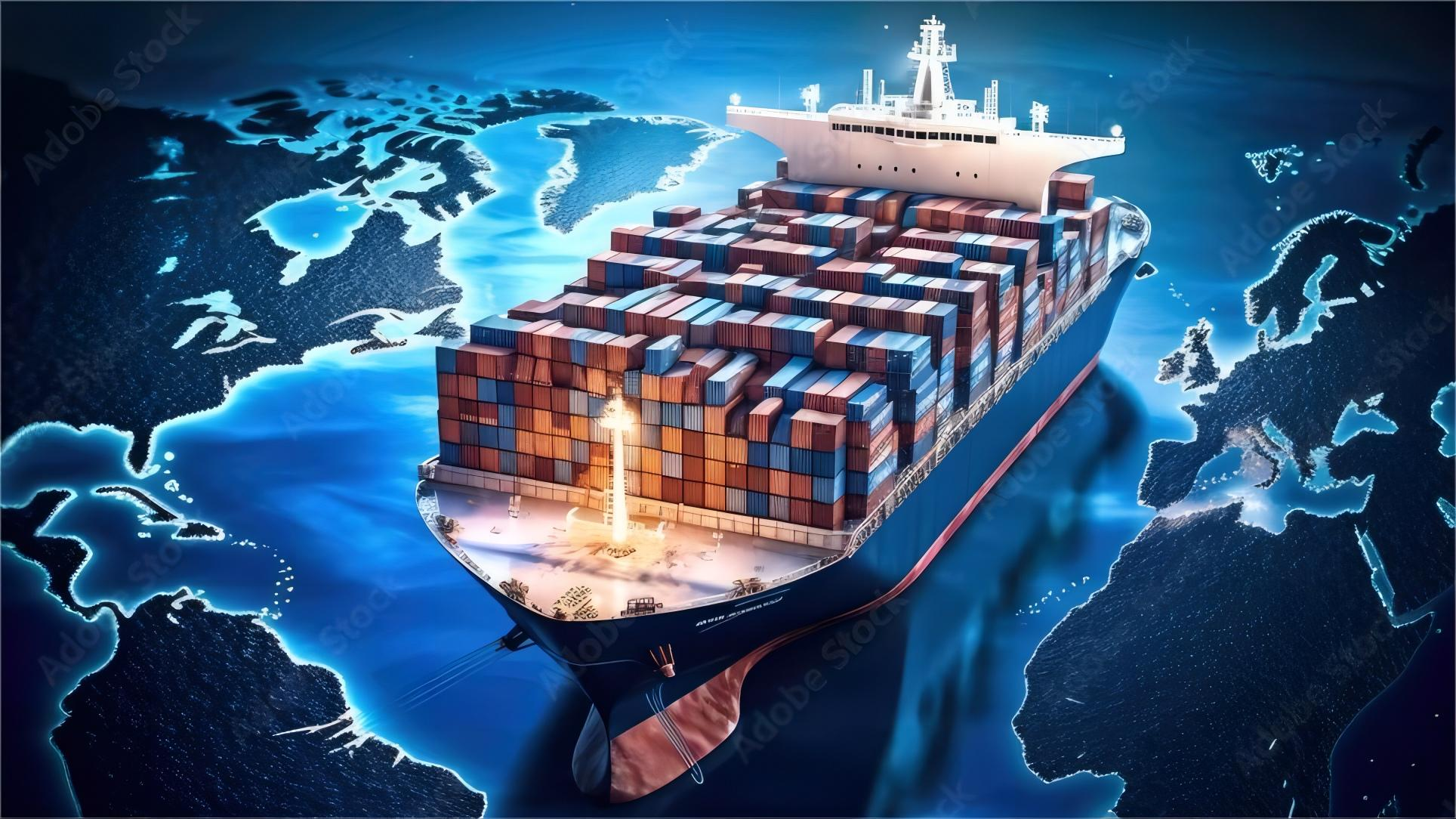
Choosing a comprehensive solution means you receive support for both FCL and LCL shipments across various trade lanes. Therefore, whether you are moving a single pallet or multiple 40HQ containers, the service remains consistent and reliable. Indeed, integrated logistics is the backbone of modern global commerce in 2026.
How Does Container Shipping Compare to Other Shipping Options?
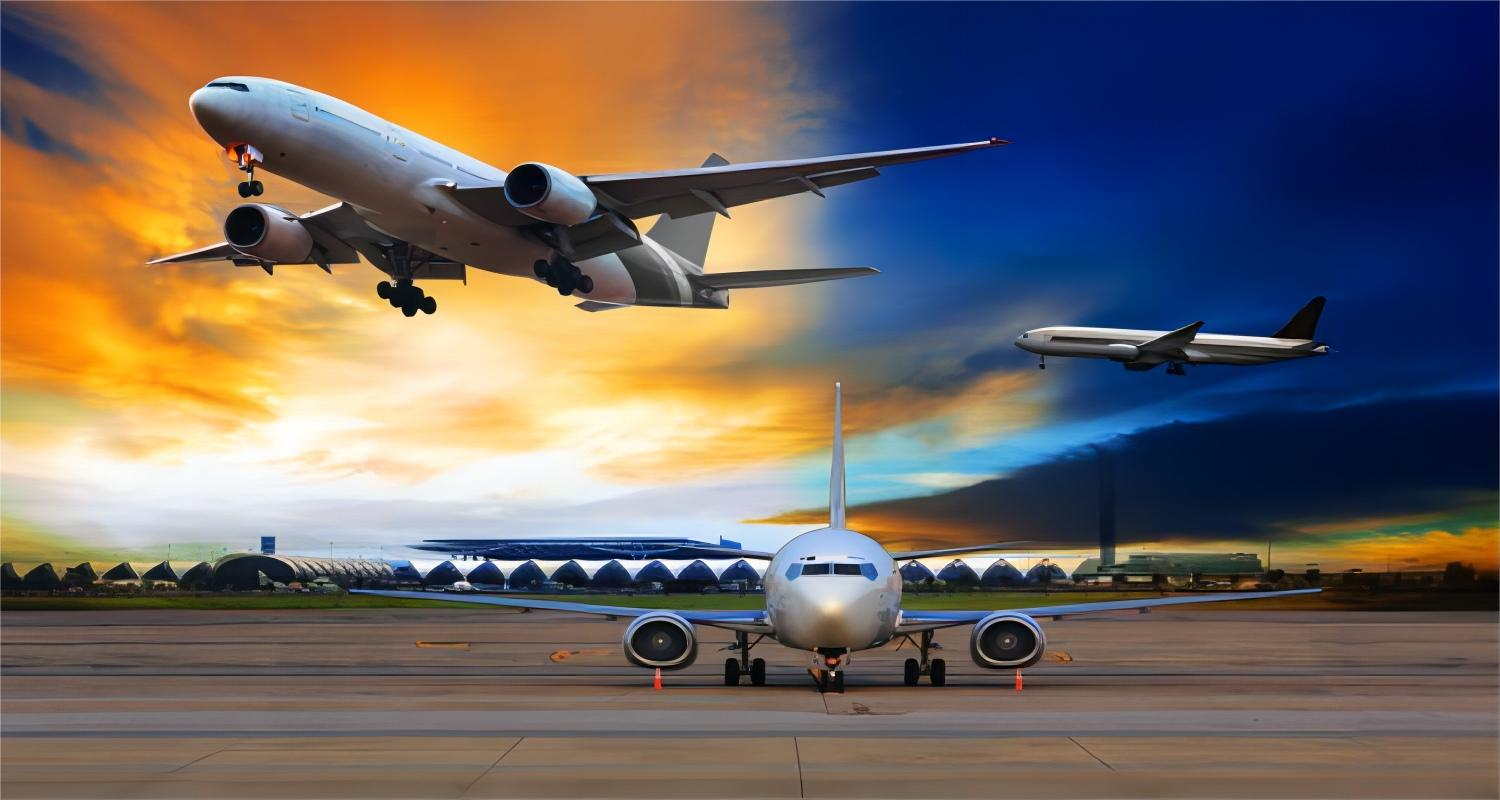
Evaluating different transport modes is essential for maintaining a competitive edge in today’s market. While sea freight remains the most cost-effective method for bulk goods, other options provide speed or accessibility. For instance, high-value electronics often benefit from faster transit times despite higher costs.
Market data suggests that sea freight accounts for over 80 percent of global trade volume due to its massive capacity. However, rail and air options serve specific niches that require urgent delivery or inland access. Meanwhile, hybrid solutions like sea-air are gaining popularity for balancing cost and speed.
| Shipping Method | Cost Range | Transit Time | Best For |
|---|---|---|---|
| Sea Freight | $1,500 – $4,500 | 15 – 40 Days | Bulk & Heavy Cargo |
| Air Freight | $5,000 – $15,000 | 3 – 7 Days | Urgent & High Value |
| Rail Freight | $2,500 – $6,000 | 18 – 25 Days | China to Europe Land |
| Express | $200 – $1,000+ | 2 – 5 Days | Small Samples |
Which Option Should You Choose for Your 2026 Shipments?
Selecting the right method depends on your specific budget priorities and delivery deadlines. If your primary goal is cost reduction, sea freight is undoubtedly the superior choice for large volumes. On the other hand, if you need to replenish stock quickly, air freight provides the necessary velocity.
Cargo type also plays a significant role in the decision-making process. For example, hazardous materials or oversized machinery require specialized cargo handling that only certain vessels can accommodate. Furthermore, volume thresholds often dictate whether FCL or LCL is more economical for your specific shipment.
The Benefits of FCL versus LCL
Full Container Load (FCL) offers better security and faster transit because the container is dedicated to one shipper. Additionally, it is often cheaper per unit when the volume exceeds 15 cubic meters. Conversely, Less than Container Load (LCL) allows smaller businesses to share space and costs, making it ideal for smaller inventories.
As of early 2026, LCL rates have become more competitive due to improved consolidation technologies in major ports like Shanghai and Ningbo. Nevertheless, FCL remains the standard for large-scale manufacturing exports. To summarize, your choice should align with your inventory turnover rate and storage capacity.
The Role of Rail Freight in Modern Supply Chains
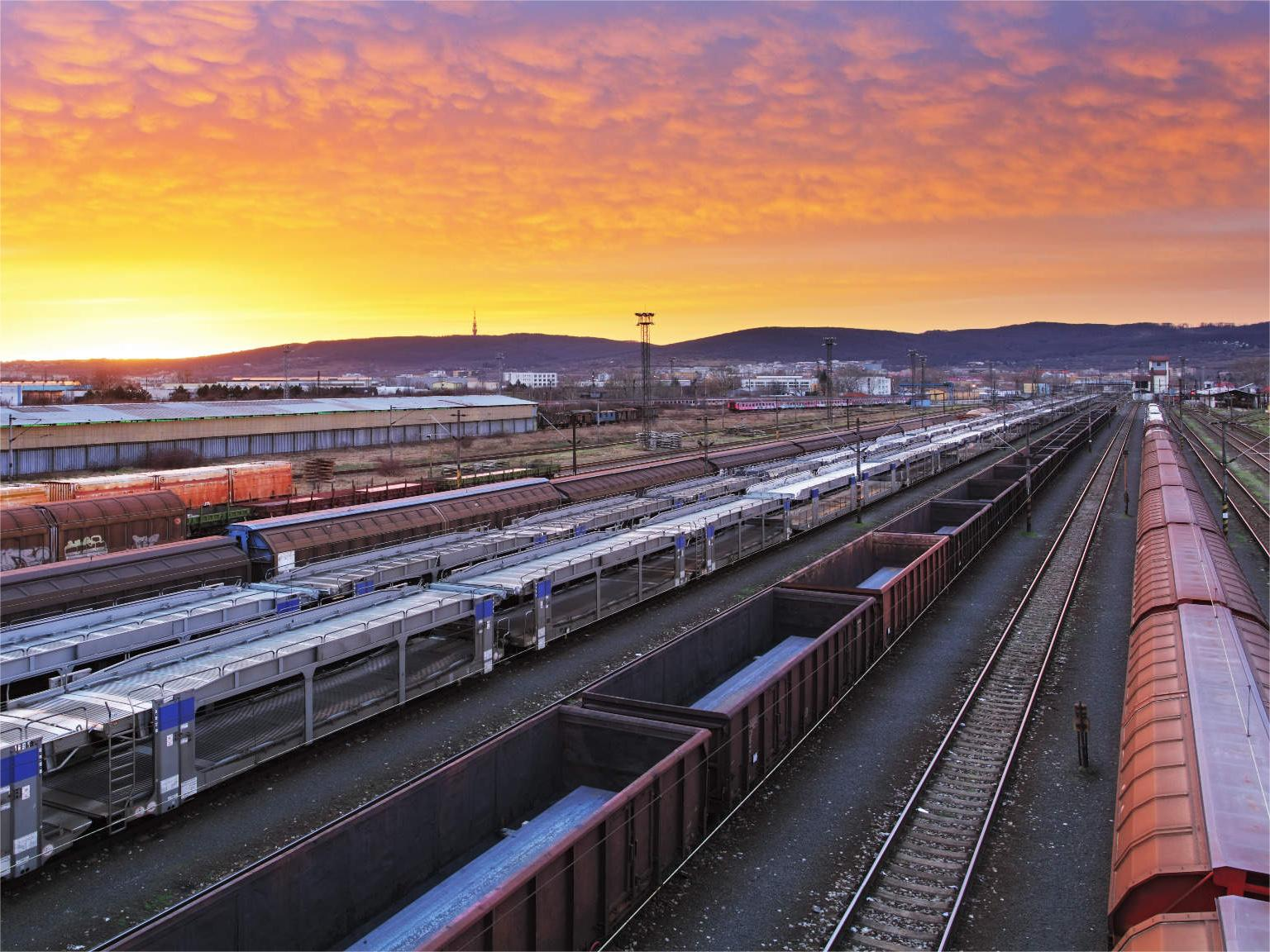
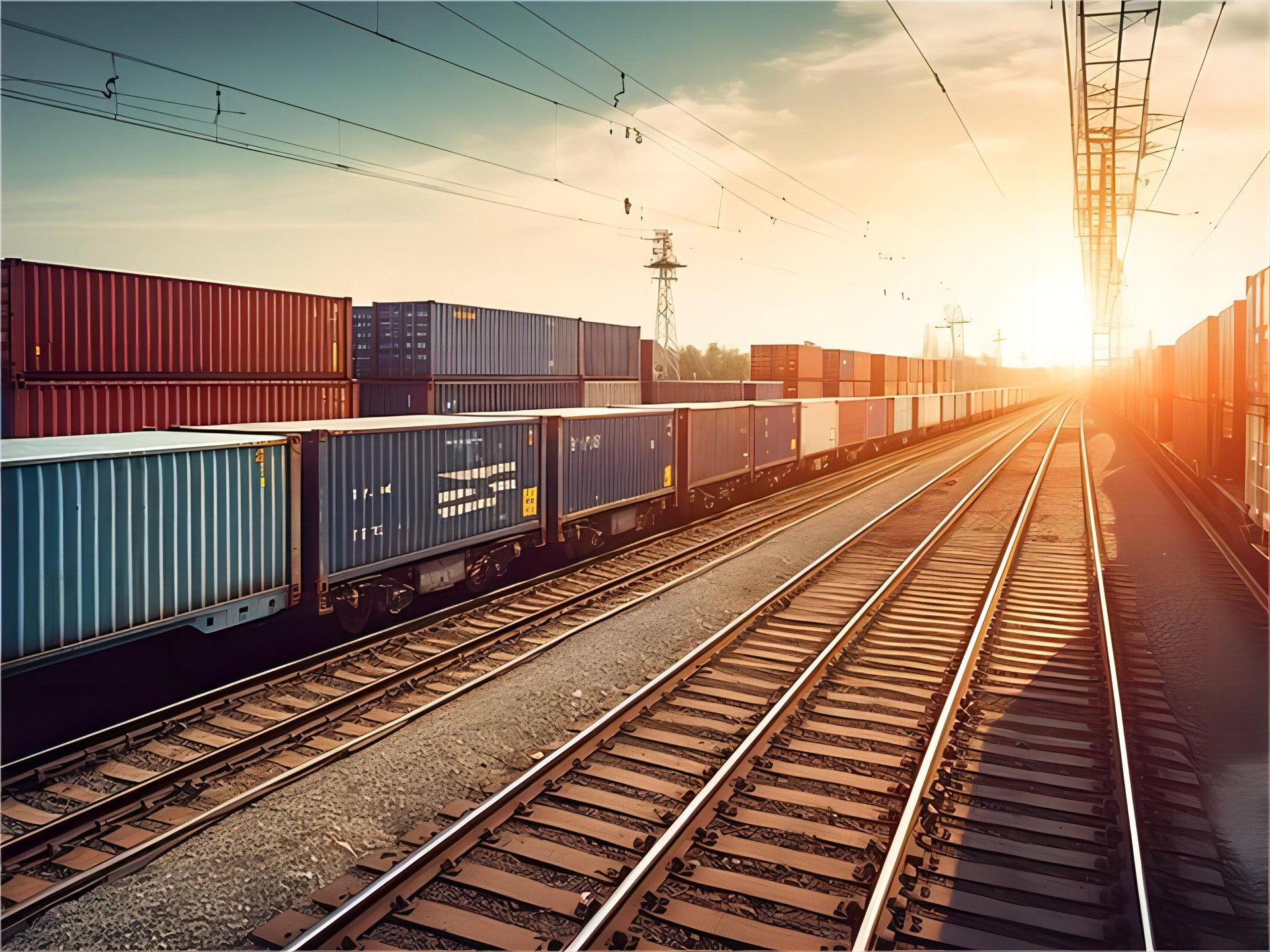
The expansion of the Silk Road initiatives has made rail freight a viable middle-ground between sea and air. Specifically, routes from China to Europe now offer reliable schedules that bypass maritime congestion. Consequently, many automotive and machinery companies have shifted their logistics strategy to include rail.
Transit times for rail are typically half those of sea freight while costing significantly less than air transport. However, it is important to note that rail is not an option for routes to Australia or North America. Therefore, geographical constraints must be considered when planning your global logistics footprint.
Navigating Customs and Documentation Requirements
Proper documentation is the most critical factor in avoiding delivery schedule delays and unexpected fines. For instance, a missing commercial invoice or an incorrect HS code can lead to cargo being held at the port for weeks. Accordingly, utilizing a professional customs brokerage service is highly recommended for complex imports.
Typical documents required include the Bill of Lading, Packing List, and Certificate of Origin. Additionally, certain products may require specific licenses or health certificates depending on the destination country. Without a doubt, staying updated on 2026 regulatory changes is essential for seamless cargo handling.
| Document Name | Purpose | Source | Requirement |
|---|---|---|---|
| Bill of Lading | Title to Goods | Carrier | Mandatory |
| Commercial Invoice | Value Declaration | Shipper | Mandatory |
| Packing List | Cargo Details | Shipper | Mandatory |
| CO Form | Origin Proof | Chamber of Commerce | Optional/Preferential |
Realistic Case Studies of China Export Success
Examining real-world scenarios helps illustrate the practical application of container shipping china export import full service. These cases reflect actual market conditions and pricing structures observed in the 2025-2026 period. Furthermore, they highlight common challenges and the solutions implemented to overcome them.
Case Study 1: Electronics Export to Europe. Route: Shenzhen to Rotterdam. Cargo: Consumer electronics, 68 CBM, 12,000 kg. Container: 40HQ. Shipping Method: Sea Freight via COSCO. Port of Loading: Shenzhen. Port of Discharge: Rotterdam. Route Type: Direct. Ocean Freight: $3,950. Origin Charges: $450. Destination Charges: $600. Customs and Duties: $1,200. Total Landed Cost: $6,200. Sea Transit: 32 days. Total Door-to-Door: 40 days. Key Insight: Booking 3 weeks in advance secured a lower rate before the Q3 peak season.
Case Study 2: Furniture Import to USA. Route: Ningbo to Long Beach. Cargo: Wooden furniture, 25 CBM, 8,500 kg. Container: 20GP. Shipping Method: Sea Freight via Maersk. Port of Loading: Ningbo. Port of Discharge: Long Beach. Route Type: Direct. Ocean Freight: $2,100. Origin Charges: $380. Destination Charges: $550. Customs and Duties: $900. Total Landed Cost: $3,930. Sea Transit: 16 days. Total Door-to-Door: 25 days. Key Insight: Using a door to door service simplified the final mile delivery in California.
Market Trends and 2026 Freight Rate Outlook
As of Q1 2026, freight rates from China have stabilized after the disruptions seen in previous years. Nevertheless, seasonal patterns still cause rates to increase by 15-25 percent during the August-October peak season. Indeed, proactive planning is the best way to mitigate these predictable cost fluctuations.
Technological advancements in port automation are also reducing transit times at major hubs. For example, the implementation of AI-driven scheduling has improved berth productivity by 10 percent in Shanghai. Consequently, the overall efficiency of container shipping china export import full service continues to improve for global traders.
Summary of Full Service Shipping Benefits
In conclusion, mastering container shipping china export import full service is vital for any business looking to scale internationally in 2026. By understanding the differences between sea, air, and rail freight, you can make informed decisions that balance speed and cost. Moreover, professional handling of customs and documentation ensures your cargo moves without unnecessary delays.
Reliable logistics is not just about moving boxes; it is about building a resilient supply chain that can adapt to market changes. Therefore, choosing a full-service provider like Global China Freight offers the peace of mind needed to succeed in a competitive global landscape. Note: Freight rates are subject to change based on fuel costs, carrier capacity, and seasonal demand. Contact us for a current quote tailored to your specific shipment.
Start Your Shipment
Optimizing your supply chain requires a partner who understands the intricacies of container shipping china export import full service. Contact us today to receive a personalized quote and discover how our expertise can reduce your logistics costs. Visit our website to Send Inquiry and start your journey toward seamless global trade.
Request Quote