

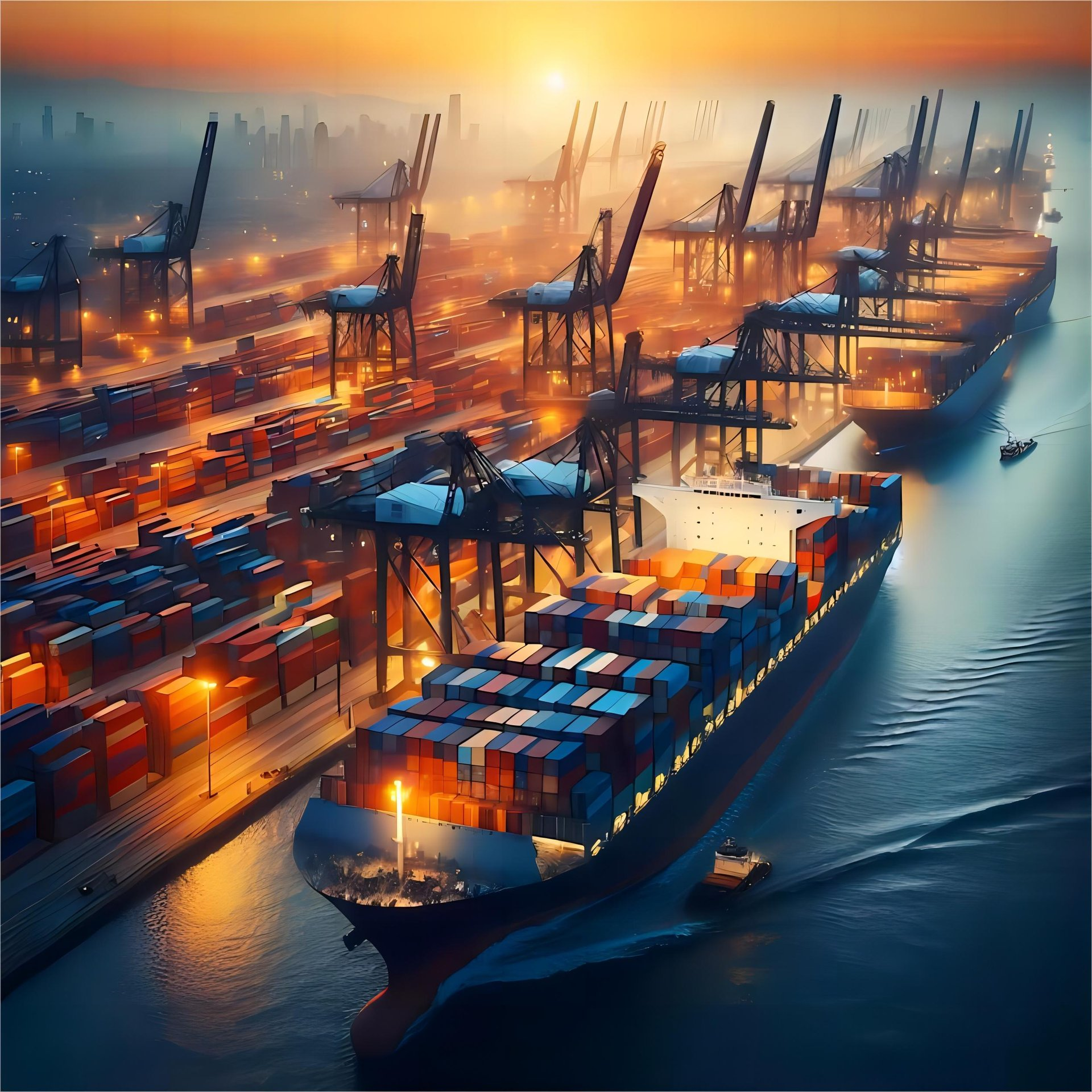
2026 International Logistics Company China Freight Quote Guide
Securing a reliable Global China Freight partner is the most critical step for businesses navigating the complex 2026 global trade environment. Obtaining a precise international logistics company china freight quote allows importers to forecast landed costs accurately and maintain healthy profit margins. This comprehensive guide explores the current market variables, shipping methods, and strategic alternatives available for your cargo today.

How Do You Obtain an Accurate International Logistics Company China Freight Quote?
Requesting a quote requires more than just providing an origin and destination address. Consequently, you must prepare detailed specifications including cargo dimensions, weight, and the specific Incoterms used for the transaction. Moreover, the type of commodity significantly influences the final price due to varying handling requirements and insurance premiums.
Digital platforms have streamlined the quoting process in 2026, yet personalized service remains superior for complex shipments. Therefore, providing a packing list and commercial invoice early in the process ensures that the logistics provider can identify potential customs hurdles. Additionally, specifying whether you require port-to-port or door-to-door service will prevent unexpected surcharges during the final delivery phase.
Accuracy in your initial inquiry prevents the common pitfall of ‘hidden fees’ that often appear in low-ball estimates. For instance, many shippers forget to account for terminal handling charges or fuel surcharges which fluctuate monthly. Always ask your provider to itemize every cost component to ensure full transparency before signing any service agreement.
What Factors Influence Shipping Costs from China in 2026?
Market conditions in early 2026 have stabilized following the logistical disruptions seen in previous years. Nevertheless, fuel price volatility and seasonal demand spikes still play a major role in determining your final freight rate. For example, the weeks leading up to the Lunar New Year typically see a 20-30 percent increase in spot rates due to capacity shortages.
Carrier capacity management is another significant factor that affects how an international logistics company china freight quote is calculated. Meanwhile, environmental regulations regarding carbon emissions have introduced new ‘green surcharges’ for vessels operating on major trade lanes. Understanding these regulatory shifts is essential for long-term supply chain planning and budgeting.
Geopolitical stability along major maritime routes, such as the Suez Canal, continues to influence insurance premiums and transit times. Furthermore, port congestion in major hubs like Shanghai or Los Angeles can lead to detention and demurrage fees if not managed proactively. Choosing a forwarder with strong local relationships can help mitigate these risks through priority berthing and efficient container drayage.
How Does Sea Freight Compare to Other Shipping Options?
Ocean transport remains the backbone of international trade due to its unmatched cost-efficiency for large volumes. Specifically, sea freight is the preferred choice for FCL and LCL shipments that are not time-sensitive. While it offers the lowest price per unit, the transit time is significantly longer than air or rail alternatives.
Comparing different modes of transport requires a balanced view of budget, speed, and cargo volume. Indeed, a 40HQ container might be the cheapest option for 20 tons of furniture, but it would be entirely inappropriate for high-value electronics. Below is a detailed comparison of the primary shipping methods available from China in 2026.
| Shipping Method | Cost Range | Transit Time | Best For | Limitations |
|---|---|---|---|---|
| Sea Freight (FCL) | $1,500 – $6,000 | 14 – 40 Days | Bulk goods, heavy machinery | Slowest transit speed |
| Air Freight | $4.50 – $9.00/kg | 3 – 7 Days | High-value, perishable | High cost, weight limits |
| Rail Freight | $80 – $150/CBM | 15 – 22 Days | Mid-range budget, Europe | Limited to land routes |
| Express Service | $7.00 – $15.00/kg | 2 – 5 Days | Small parcels, samples | Most expensive per kg |

When Should You Choose Air Freight for Your Shipments?
Urgency is the primary driver for selecting air freight over slower maritime routes. If your inventory levels are low or you are launching a new product, the speed of air transport can justify the higher investment. Furthermore, air cargo offers higher security levels and reduced risk of damage compared to ocean handling.
Cost-saving strategies in air freight involve optimizing your volumetric weight to ensure you aren’t paying for empty space. Specifically, consolidating multiple small shipments into a single larger one can often trigger better weight-break discounts from airlines. In contrast, shipping during peak seasons like Q4 can see rates double as consumer demand for electronics and fashion peaks globally.
Market data suggests that air freight rates in 2026 have become more competitive as more passenger belly capacity has returned to the market. However, you should still expect to pay a premium for direct flights versus deferred services that include transshipment. Always weigh the cost of the freight against the potential loss of sales due to stockouts.
Is Rail Freight a Viable Alternative for China to Europe Routes?
The New Silk Road has made rail freight a highly attractive middle-ground option for Eurasian trade. It provides a transit time that is roughly half that of sea freight while costing significantly less than air transport. Consequently, many automotive and industrial equipment manufacturers have shifted their logistics strategy to favor rail.
Environmental benefits are also driving the adoption of rail transport, as it produces lower carbon emissions per ton-kilometer than air or sea. Nevertheless, rail capacity can be limited by infrastructure bottlenecks at border crossings like Alashankou or Manzhouli. Shippers must book rail space at least two weeks in advance to secure equipment during busy periods.
Hybrid solutions, such as sea-rail combinations, are also gaining traction for cargo originating in Southern China destined for Central Asia. These multi-modal strategies allow for flexible routing and can often bypass congested coastal ports. To summarize, rail is an excellent choice for businesses seeking a balance between speed and expenditure.
Real-World Case Studies: 2026 Shipping Scenarios
Case Study 1: Electronics Distribution to USA. Route: Shenzhen, China to Los Angeles, USA. Cargo: Consumer electronics, 15 CBM, 3200 kg. Container: LCL (Less than Container Load). Shipping Details: Major carrier via direct route. Cost Breakdown: Ocean Freight: $1,250; Origin Charges: $350; Destination Charges: $550; Customs & Duties: $1,800; Total Landed Cost: $3,950. Timeline: Booking to Loading: 3 days; Sea Transit: 16 days; Customs Clearance: 2 days; Total Door-to-Door: 21 days. Key Insight: Using LCL allowed the client to maintain a lean inventory without paying for a full 20GP container.
Case Study 2: Furniture Import to Germany. Route: Ningbo, China to Hamburg, Germany. Cargo: Flat-pack furniture, 68 CBM, 12000 kg. Container: 40HQ (High Cube). Shipping Details: COSCO via direct route. Cost Breakdown: Ocean Freight: $4,200; Origin Charges: $450; Destination Charges: $600; Customs & Duties: $2,100; Total Landed Cost: $7,350. Timeline: Booking to Loading: 5 days; Sea Transit: 33 days; Customs Clearance: 3 days; Total Door-to-Door: 41 days. Key Insight: Securing a 40HQ during the Q1 slack season saved the client 15 percent compared to peak Q4 rates.
Case Study 3: Industrial Parts to Australia. Route: Shanghai, China to Sydney, Australia. Cargo: Steel components, 22 CBM, 18000 kg. Container: 20GP (General Purpose). Shipping Details: Maersk via direct route. Cost Breakdown: Ocean Freight: $1,100; Origin Charges: $300; Destination Charges: $480; Customs & Duties: $950; Total Landed Cost: $2,830. Timeline: Booking to Loading: 4 days; Sea Transit: 14 days; Customs Clearance: 2 days; Total Door-to-Door: 20 days. Key Insight: Direct routing to Sydney avoided transshipment delays in Singapore, ensuring the factory assembly line remained operational.

Understanding Customs Brokerage and Documentation Requirements
Navigating the legalities of international trade requires a professional customs brokerage service to avoid costly delays. Each country has specific import regulations, and missing a single document can result in your cargo being held at the port for weeks. Therefore, ensuring your commercial invoice and packing list are perfectly aligned is the first step in a smooth clearance process.
Digital customs filing has become the standard in 2026, allowing for pre-clearance while the vessel is still at sea. However, certain commodities like food, chemicals, or medical devices require additional certifications such as FDA or CE markings. Your logistics partner should provide a checklist of required documents well before the cargo reaches the destination port.
Typical documents required for a freight quote and subsequent shipping include the Bill of Lading, Certificate of Origin, and an Insurance Certificate. Additionally, specialized products may require a Material Safety Data Sheet (MSDS). Proactive communication with your broker ensures that all tariffs and duties are calculated correctly, preventing budget overruns.
Which Shipping Option Should You Choose?
Choosing the right method depends on your specific business priorities and the nature of your goods. If budget is your primary concern, sea freight is the clear winner for most bulk commodities. On the other hand, if you are shipping for Amazon FBA and need to meet strict delivery windows, a combination of air and express might be necessary.
Volume thresholds often dictate when it is time to switch from LCL to FCL shipping. Generally, if your shipment exceeds 15 CBM, booking a full 20GP container becomes more economical than paying the per-CBM rate for LCL. Similarly, for shipments under 100kg, express couriers are often more cost-effective than traditional air freight due to their all-inclusive pricing structures.
Hybrid strategies, such as sea-air, involve shipping goods by sea to a hub like Dubai and then flying them to the final destination. This approach can save 30-50 percent on costs compared to pure air freight while still being much faster than sea freight. Evaluate your supply chain’s flexibility to see if these alternative strategies can provide a competitive edge.
Final Thoughts on Securing the Best Freight Rates
Mastering the art of the international logistics company china freight quote is essential for any business involved in global trade in 2026. By understanding the nuances of different shipping modes and staying informed about market trends, you can significantly reduce your logistics expenses. Remember that the cheapest quote is not always the best; reliability and transparency are equally important.
Partnering with an experienced freight forwarder provides the expertise needed to navigate customs hurdles and optimize transit times. Whether you are shipping heavy machinery via sea or urgent samples via air, a strategic approach will ensure your goods arrive safely and on budget. Start planning your 2026 shipments today to secure the best possible rates and capacity.

Ready to streamline your logistics?
Ready to optimize your supply chain with a competitive international logistics company china freight quote? Contact our expert team today to receive a personalized shipping strategy tailored to your business needs. Visit our inquiry page to get started with a free, no-obligation estimate for your next shipment. Send Inquiry: https://globalchinafreight.com/contact-us/
Request Quote