


China to Australia Air Freight Shipping Rates per kg: 2026 Guide
Navigating the complexities of international logistics requires a clear understanding of current market dynamics and pricing structures. As we move through 2026, businesses must stay informed about the latest trends to maintain a competitive edge in the global marketplace. Global China Freight provides the expertise needed to streamline your supply chain and manage costs effectively. This comprehensive guide explores everything you need to know about China to Australia air freight shipping rates per kg in the current economic landscape.

What Are the Current China to Australia Air Freight Shipping Rates per kg?
Determining the exact cost of air transport involves several variables that fluctuate based on market demand and fuel prices. For the first half of 2026, standard air cargo rates typically range from 4.50 to 8.50 USD per kilogram. Moreover, these prices often decrease as the total weight of the shipment increases due to volume discounts offered by major carriers.
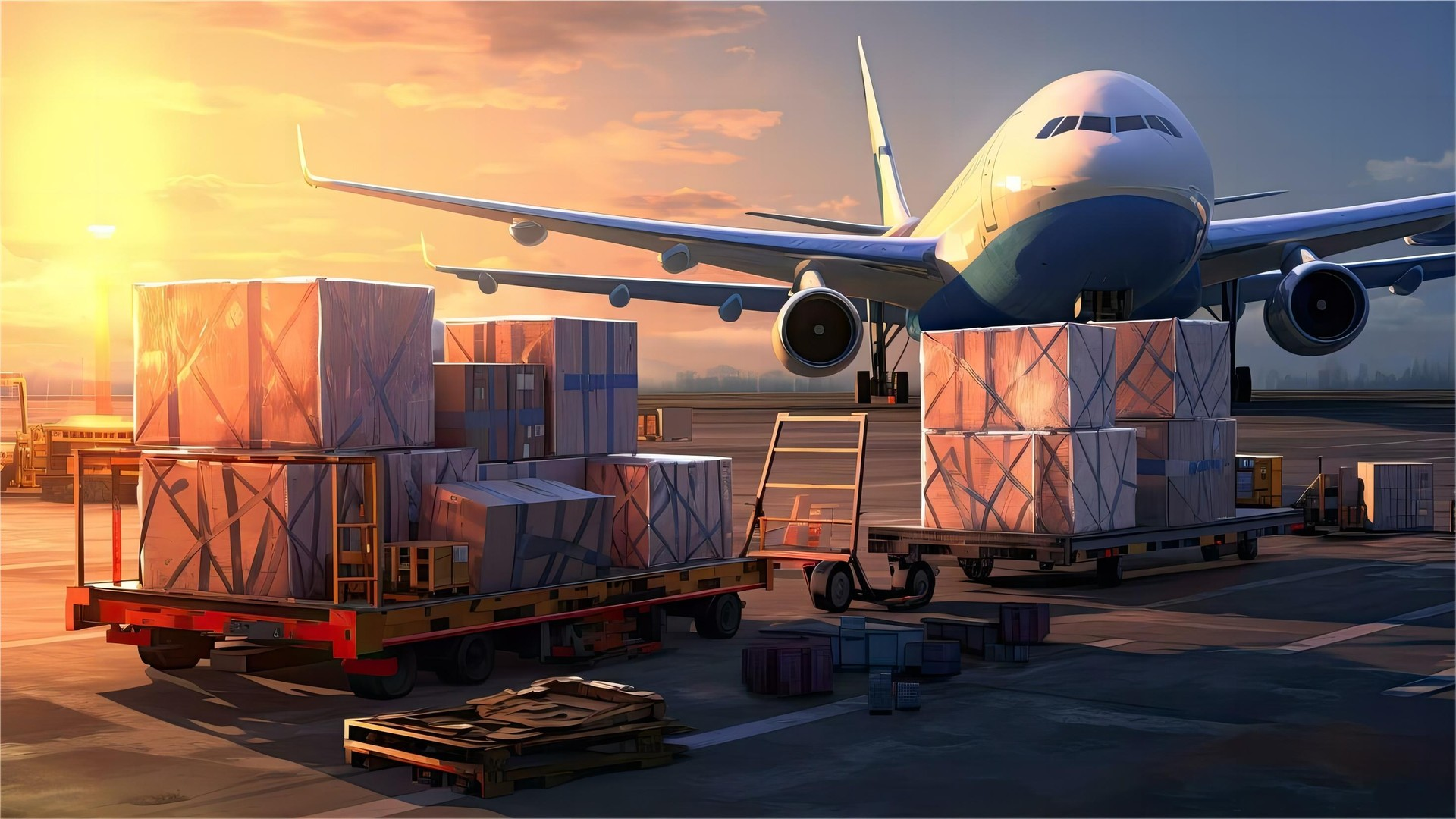
Choosing a professional air freight service ensures that your goods arrive safely while balancing speed and cost. Consequently, many importers prioritize this method for high-value or time-sensitive products that cannot withstand the long transit times of sea transport. Furthermore, the stability of the Australian dollar in 2026 has helped maintain relatively predictable pricing for most major routes.
Additionally, businesses should account for seasonal peaks which can cause rates to spike by 20 percent or more. Specifically, the period leading up to the end-of-year holidays and the weeks following Lunar New Year often see the highest demand for cargo space. Therefore, booking your shipments at least two weeks in advance is highly recommended to secure the best possible rates.
How Does Air Freight Compare to Other Shipping Options?
Comparing different logistics methods is essential for optimizing your shipping budget and meeting delivery deadlines. While air transport is significantly faster than ocean freight, it comes at a premium price point that may not suit every product type. In contrast, sea freight remains the most economical choice for bulky or heavy items that do not require immediate delivery.
Furthermore, express service options provide the fastest possible transit times, often including door-to-door delivery within three business days. However, these services usually carry the highest cost per kilogram and are best reserved for urgent documents or small parcels. Meanwhile, standard air freight offers a middle ground with transit times of five to eight days at a lower cost than courier services.
Consequently, the decision between these methods depends on your specific inventory requirements and profit margins. For instance, high-margin electronics frequently travel by air to reduce warehouse holding costs and improve cash flow. On the other hand, furniture and heavy machinery are almost exclusively shipped via ocean containers to keep the landed cost manageable.
| Shipping Method | Cost Range (USD) | Transit Time | Best For |
|---|---|---|---|
| Air Freight | $4.50 – $8.50/kg | 5-8 Days | Electronics, Fashion |
| Express Courier | $9.00 – $15.00/kg | 2-4 Days | Urgent Samples |
| Sea Freight (LCL) | $150 – $300/CBM | 18-25 Days | Bulky Goods |
| Sea Freight (FCL) | $800 – $1,800/Cont | 14-22 Days | High Volume |
What Factors Influence the China to Australia Air Freight Shipping Rates per kg?
Several critical factors contribute to the final price you pay for air cargo services from Chinese hubs to Australian cities. Primarily, fuel surcharges remain the most volatile component, directly reflecting global oil price shifts throughout 2026. Additionally, the specific airport of origin, such as Shanghai Pudong or Shenzhen Baoan, can impact the base rate due to varying airport fees and carrier competition.
Moreover, the nature of the goods being shipped plays a significant role in determining the applicable rate class. Dangerous goods, including lithium batteries or chemical substances, require specialized handling and documentation which adds to the overall expense. Similarly, oversized items that do not fit on standard pallets may incur additional surcharges for manual loading and space utilization.
Indeed, market capacity also dictates pricing levels during different quarters of the year. When cargo space is limited, carriers prioritize shipments with higher yields, effectively pushing up the market average. To summarize, understanding these variables allows you to better forecast your logistics expenses and identify opportunities for negotiation with your freight forwarder.
Understanding Chargeable Weight: Actual vs. Volumetric
Calculating the chargeable weight is a fundamental step in estimating your China to Australia air freight shipping rates per kg. Airlines use a specific formula to ensure they are compensated for the space a shipment occupies as well as its physical weight. Specifically, the volumetric weight is determined by multiplying the length, width, and height in centimeters and dividing by 6,000.
Consequently, if the volumetric weight exceeds the actual scale weight, the carrier will bill you based on the higher figure. This means that lightweight but bulky items, such as pillows or large plastic toys, can be surprisingly expensive to ship by air. In contrast, dense items like metal parts or books are usually charged based on their actual physical weight.
Furthermore, savvy shippers often use professional packing services to minimize the external dimensions of their cargo. By reducing wasted space within boxes and using appropriately sized pallets, you can significantly lower the volumetric weight and save on total freight costs. Always verify these calculations with your logistics provider before finalizing your booking.
| Package Type | Dimensions (cm) | Actual Weight | Chargeable Weight |
|---|---|---|---|
| Standard Box | 50x50x50 | 15 kg | 20.8 kg (Vol) |
| Dense Crate | 40x40x40 | 25 kg | 25.0 kg (Act) |
| Long Tube | 120x20x20 | 5 kg | 8.0 kg (Vol) |
Real-World Case Studies for China to Australia Air Freight
Reviewing actual shipping scenarios provides valuable insight into the practical application of air freight rates and timelines. These examples reflect the typical costs and challenges faced by importers during the early months of 2026. By examining these cases, you can better align your expectations with current market realities and logistics performance.
Case Study 1: High-Tech Sensors to Sydney. Route: Shenzhen to Sydney. Cargo: Industrial sensors, 120 kg, 0.8 CBM. Shipping Details: Direct air service via major carrier. Cost Breakdown: Air freight at 5.20 USD per kg (624 USD), origin fees (85 USD), Australian customs clearance (150 USD). Timeline: 2 days for booking, 4 days for transit, 1 day for clearance. Total Door-to-Door: 7 days. Key Insight: Choosing a direct flight reduced the risk of handling damage for these fragile sensors.
Case Study 2: Seasonal Fashion Apparel to Melbourne. Route: Shanghai to Melbourne. Cargo: Cotton garments, 450 kg, 3.2 CBM. Shipping Details: Standard air freight with transshipment via Singapore. Cost Breakdown: Air freight at 4.80 USD per kg (2,160 USD), fuel surcharges (240 USD), destination handling (180 USD). Timeline: 3 days for consolidation, 6 days for transit, 2 days for clearance. Total Door-to-Door: 11 days. Key Insight: Consolidating multiple orders allowed the importer to access a lower rate tier per kg.
Navigating Customs and Import Duties in Australia
Successful importing requires a thorough understanding of the Australian Border Force requirements and the associated costs of clearance. While the air freight rate covers the transportation, you must also budget for Goods and Services Tax (GST) and potential import duties. Utilizing a professional customs brokerage service can prevent costly delays and ensure compliance with all local regulations.
Additionally, Australia has strict biosecurity laws that apply to various types of cargo, particularly those containing organic materials or wood packaging. Failure to provide the correct documentation, such as a valid packing declaration or fumigation certificate, can result in expensive inspections or quarantine holds. Consequently, working with an experienced partner ensures that all paperwork is prepared accurately before the shipment arrives.
Moreover, the China-Australia Free Trade Agreement (ChAFTA) continues to offer significant duty reductions for many product categories in 2026. To benefit from these concessions, importers must provide a valid Certificate of Origin for their goods. Therefore, verifying the eligibility of your products under ChAFTA is a crucial step in reducing the total landed cost of your shipment.

How to Choose Between Direct and Transshipment Routes?
Selecting the right flight path is a balance between your budget constraints and the urgency of the shipment. Direct flights from major Chinese hubs to Sydney, Melbourne, or Brisbane offer the fastest transit times and minimal handling. However, these premium routes often command higher China to Australia air freight shipping rates per kg compared to indirect options.
On the other hand, transshipment routes via hubs like Singapore, Hong Kong, or Guangzhou can provide significant cost savings. While these routes add two to four days to the total transit time, the lower base rates make them attractive for non-urgent inventory. Furthermore, transshipment often provides more flexible scheduling options when direct flights are fully booked during peak seasons.
Ultimately, the best choice depends on your specific supply chain requirements and the value of the goods. For high-priority launches or stock-outs, the extra expense of a direct flight is usually justified by the speed of delivery. Meanwhile, for routine restocking, the savings gained from an indirect route can improve your overall profit margins significantly.
Cost-Saving Strategies for Air Freight Importers
Implementing strategic shipping practices can help you minimize your logistics spend without sacrificing service quality. One effective method is freight consolidation, where multiple smaller shipments are combined into a single larger one to access better rate brackets. Additionally, booking your shipments during the middle of the week can sometimes result in lower rates as carriers look to fill capacity between weekend peaks.
Furthermore, opting for door to door solutions can often be more cost-effective than managing each leg of the journey separately. These all-inclusive packages simplify the billing process and reduce the likelihood of unexpected third-party fees at the destination. Moreover, maintaining a consistent shipping volume with a single provider can give you more leverage when negotiating annual contracts.
In addition, always pay close attention to the quality of your packaging materials to avoid unnecessary volumetric weight. Using lightweight but durable corrugated cardboard instead of heavy wooden crates can shave kilograms off your chargeable weight. Consequently, these small adjustments can lead to substantial savings over the course of a fiscal year.
Which Option Should You Choose? Decision Framework
Choosing the right shipping strategy requires a clear evaluation of your business priorities and the specific characteristics of your cargo. If your primary goal is speed to market for a new product launch, air freight is the undisputed winner despite the higher cost. However, if you are moving large volumes of low-value goods, sea freight is almost always the more sustainable financial choice.
Specifically, consider the following criteria when making your decision: Is the cargo worth more than 10 USD per kg? If so, the security and speed of air transport often justify the expense. Is the delivery deadline less than 10 days away? If yes, air freight is your only reliable option for shipping from China to Australia in 2026.
Meanwhile, for shipments that fall into a gray area, hybrid solutions such as sea-air combinations or deferred air freight can offer a compromise. These methods provide faster delivery than sea freight at a significantly lower price point than standard air cargo. To summarize, aligning your shipping method with your inventory turnover and customer expectations is key to long-term logistics success.
Final Thoughts on Air Freight Shipping to Australia
Managing your supply chain effectively in 2026 requires a proactive approach to understanding China to Australia air freight shipping rates per kg. By considering factors such as chargeable weight, seasonal demand, and customs requirements, you can make informed decisions that benefit your bottom line. Furthermore, the choice between direct and transshipment routes allows you to balance the need for speed with the necessity of cost control.
Indeed, as market conditions continue to evolve, staying connected with a knowledgeable freight forwarding partner is more important than ever. Consequently, businesses that master these logistics fundamentals will be better positioned to navigate the challenges of international trade and achieve sustainable growth. Ultimately, air freight remains a vital tool for modern enterprises looking to bridge the gap between Chinese manufacturing and Australian consumers.

Need a tailored shipping solution?
Streamline your international logistics today with a customized quote from our expert team. Whether you need urgent air cargo or cost-effective consolidation, we provide the reliable solutions your business deserves. Contact Global China Freight now to secure the most competitive China to Australia air freight shipping rates per kg for your next shipment. Visit our website to request your free freight analysis and take the first step toward a more efficient supply chain.