

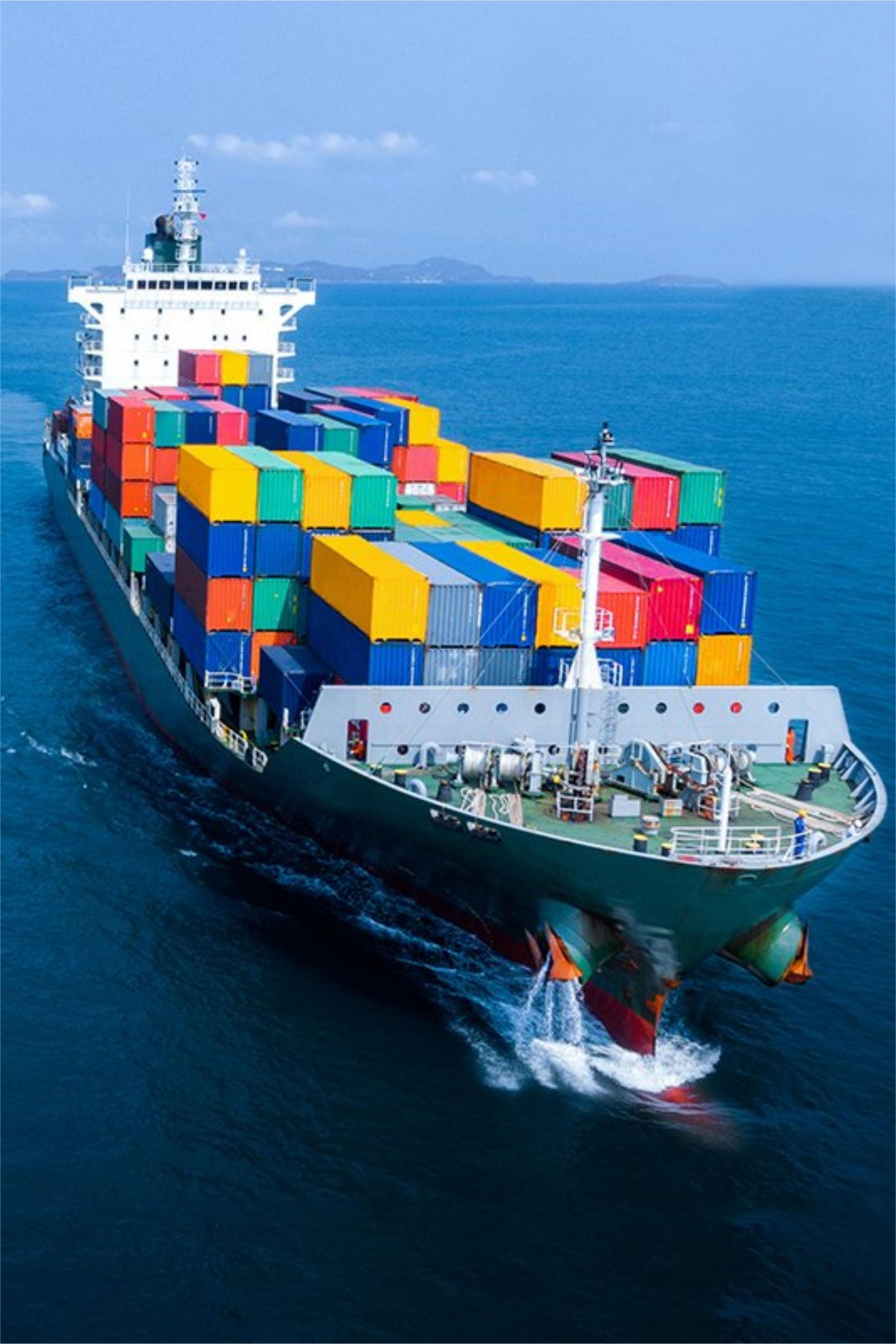
Container Shipping China to Germany Quote: 2026 Freight Guide
Securing a reliable container shipping china to Germany quote is the essential first step for businesses looking to optimize their international supply chain. At Global China Freight, we provide transparent pricing and comprehensive logistics solutions tailored to the modern market. This guide explores current 2026 market trends, shipping methods, and cost-saving strategies to help you navigate the route from China to Europe efficiently.
What Factors Determine Your Container Shipping China to Germany Quote?
Calculating the total cost of an international shipment involves several variables that fluctuate based on market demand. Consequently, businesses must understand that a quote is rarely just a single number but a compilation of various service fees. For instance, ocean freight rates are heavily influenced by seasonal peaks and fuel surcharges known as BAF.
When requesting sea freight services, you will encounter different pricing structures for Full Container Load (FCL) and Less than Container Load (LCL). Furthermore, your choice of origin port in China, such as Shanghai or Ningbo, significantly impacts the local trucking and handling fees. Meanwhile, the destination port in Germany, whether Hamburg or Wilhelmshaven, dictates the final drayage costs.
Moreover, 2026 has seen a shift toward more sustainable shipping practices, which has introduced new environmental compliance fees. Therefore, it is vital to work with a forwarder who provides a detailed breakdown of all line items. Indeed, transparency in your initial quote prevents unexpected expenses during the customs clearance process.
How Does Sea Freight Compare to Other Shipping Options?
Choosing the right transport mode is a balancing act between budget constraints and delivery deadlines. While sea freight remains the most popular choice for bulk goods, other methods offer distinct advantages for specific scenarios. For example, rail freight has become a highly viable middle ground for many German importers.
In contrast, air freight offers the fastest transit times but at a significantly higher price point. Additionally, hybrid solutions like sea-air or rail-sea are gaining traction as companies seek to mitigate port congestion. To summarize, the best method depends on your cargo volume, value, and required arrival date.
The following table provides an objective analysis of the primary shipping methods available for the China-Germany route in 2026.
| Shipping Method | Cost Range (USD) | Transit Time | Best For |
|---|---|---|---|
| Sea Freight (FCL) | $1,800 – $4,200 | 30-40 Days | Bulk / Heavy Goods |
| Rail Freight | $2,500 – $5,500 | 18-22 Days | Mid-value items |
| Air Freight | $5 – $12 per kg | 5-8 Days | Urgent / High-value |
| LCL Sea Freight | $50 – $150 / CBM | 35-45 Days | Small Shipments |
Understanding FCL vs LCL for Your Germany Shipments
Deciding between Full Container Load and Less than Container Load is a critical decision for optimizing your logistics budget. If your shipment exceeds 15 cubic meters, FCL is generally more cost-effective because you pay for the entire container space. On the other hand, LCL allows you to share space with other shippers, which is ideal for smaller volumes.
However, LCL often involves longer transit times due to the consolidation and deconsolidation processes at both ends. Additionally, the risk of cargo damage is slightly higher in LCL because items are handled more frequently. Nevertheless, for startups or companies testing new products, LCL provides the flexibility needed to manage inventory levels without high upfront costs.
Consequently, many businesses utilize door to door services to simplify the complexities of both FCL and LCL. This approach ensures that the freight forwarder manages everything from the factory floor in China to the warehouse in Berlin. As a result, the importer can focus on sales rather than managing multiple logistics providers.
The Rise of Rail Freight from China to Germany
The Iron Silk Road has revolutionized the way goods move across Eurasia by offering a reliable alternative to ocean and air. Specifically, rail freight connects major Chinese hubs like Chengdu and Xi’an directly to German terminals in Duisburg and Hamburg. Furthermore, this method is significantly faster than sea freight while remaining much cheaper than air transport.
Moreover, rail transport is considered more environmentally friendly than air freight, aligning with the sustainability goals of many European corporations. Indeed, during periods of maritime instability or port strikes, rail provides a consistent schedule that helps maintain supply chain integrity. Therefore, many electronics and automotive parts manufacturers now prefer this route.
Without a doubt, the development of faster customs procedures at border crossings like Malaszewicze has further reduced lead times. Consequently, if your goods are too heavy for air but too urgent for sea, rail is the perfect solution. Nevertheless, shippers should be aware of seasonal capacity constraints during the Chinese New Year or peak Q4 periods.
Estimated 2026 Container Shipping Costs
Market data suggests that freight rates have stabilized in early 2026, though they remain sensitive to global economic shifts. For instance, a 20GP container from Ningbo to Hamburg typically ranges between $1,800 and $2,500 depending on the carrier. Meanwhile, 40HQ containers, which offer significantly more volume, are priced between $3,000 and $4,200.
In addition to the base ocean freight, importers must account for local charges such as terminal handling fees and documentation costs. Furthermore, customs duties and VAT in Germany are calculated based on the CIF (Cost, Insurance, and Freight) value of the goods. Accordingly, a comprehensive quote should always include these estimated landed costs to avoid budget overruns.
Note: Freight rates are subject to change based on fuel costs, carrier capacity, and seasonal demand. Contact us for a current quote tailored to your specific shipment.
| Container Type | Avg. Freight 2026 | Capacity (CBM) | Max Weight (KG) |
|---|---|---|---|
| 20GP (Standard) | $1,950 – $2,400 | 33 CBM | 28,000 |
| 40GP (Standard) | $3,100 – $3,800 | 67 CBM | 26,000 |
| 40HQ (High Cube) | $3,400 – $4,200 | 76 CBM | 26,000 |
| LCL (Per CBM) | $75 – $130 | Variable | Variable |
Real Case Studies: China to Germany Shipping
To provide a clearer picture of current logistics performance, we have documented several recent shipments handled in early 2026. These examples highlight the transit times and costs associated with different cargo types and methods. For example, consumer electronics often require faster routes compared to industrial raw materials.
Case Study 1: Electronics from Shenzhen to Hamburg. Route: Shenzhen -> Hamburg. Cargo: Smart Home Devices, 65 CBM, 12,500 kg. Container: 40HQ. Shipping Details: Carrier: MSC. Port of Loading: Shenzhen. Port of Discharge: Hamburg. Route Type: Direct. Cost Breakdown: Ocean Freight: $3,650. Origin Charges: $450. Destination Charges: $600. Customs & Duties: $4,200. Total Landed Cost: $8,900. Timeline: Booking to Loading: 4 days. Sea Transit: 32 days. Customs Clearance: 2 days. Total Door-to-Door: 42 days. Key Insight: Direct sailing avoided transshipment delays in Singapore.
Case Study 2: Industrial Machinery from Ningbo to Duisburg. Route: Ningbo -> Duisburg. Cargo: CNC Machine Parts, 12 CBM, 4,800 kg. Container: LCL. Shipping Details: Carrier: Rail Service. Port of Loading: Ningbo (via Xi’an). Port of Discharge: Duisburg Terminal. Route Type: Rail. Cost Breakdown: Rail Freight: $2,800. Origin Charges: $320. Destination Charges: $480. Customs & Duties: $1,500. Total Landed Cost: $5,100. Timeline: Booking to Loading: 5 days. Rail Transit: 20 days. Customs Clearance: 3 days. Total Door-to-Door: 33 days. Key Insight: Rail saved 12 days compared to sea freight at a manageable cost increase.
Which Shipping Option Should You Choose?
Selecting the optimal shipping strategy requires a clear understanding of your business priorities. If budget is your primary concern and you have flexible lead times, sea freight is undoubtedly the best choice. However, if you are shipping high-value items with short shelf lives, air freight becomes a necessity despite the cost.
For e-commerce sellers, speed to market is often the deciding factor. Consequently, our Amazon FBA solutions are designed to bridge the gap between Chinese manufacturers and German fulfillment centers. In this scenario, rail freight often provides the best balance of speed and cost for mid-sized shipments.
Additionally, consider the volume thresholds. For shipments under 15 CBM, LCL is usually cheaper. Once you exceed 15-18 CBM, the flat rate of a 20GP container often becomes more economical. Therefore, always ask your forwarder to compare both options in your container shipping china to Germany quote.

Essential Documentation for German Customs Clearance
Navigating the German customs landscape requires meticulous attention to detail and accurate documentation. Indeed, missing or incorrect paperwork is the leading cause of delivery delays and additional storage fees at the port. Therefore, importers must ensure that the Commercial Invoice, Packing List, and Bill of Lading are perfectly aligned.
Furthermore, specific products may require additional certifications, such as CE marking for electronics or phytosanitary certificates for wooden furniture. Moreover, the EORI number is a mandatory requirement for any business importing goods into the European Union. Consequently, hiring a professional for customs brokerage can save significant time and stress.
As a result, your freight forwarder should act as a consultant, verifying all documents before the cargo even leaves China. For instance, ensuring the correct HS Code is used will determine the exact duty rate you will pay. In contrast, using an incorrect code can lead to fines or even the seizure of goods by German authorities.
Final Thoughts on Shipping from China to Germany
To summarize, obtaining a container shipping china to Germany quote is more than just looking for the lowest price. It involves evaluating transit times, choosing the right transport mode, and ensuring all customs requirements are met. In 2026, the logistics landscape continues to evolve, offering more diverse options like rail and hybrid sea-air routes.
By understanding the differences between FCL and LCL, and leveraging the expertise of a professional freight forwarder, you can significantly reduce your landed costs. Moreover, staying informed about market trends and seasonal fluctuations allows you to plan your inventory more effectively. Ultimately, a well-managed shipping strategy is a competitive advantage in the global marketplace.
Get Your Shipping Quote Today
Are you ready to optimize your supply chain with a competitive container shipping china to Germany quote? Our team of logistics experts is standing by to provide you with a customized, transparent pricing plan for 2026. Whether you need FCL, LCL, or rail solutions, we ensure your cargo arrives safely and on time. Contact Global China Freight today to receive your free, no-obligation quote and experience the difference of professional freight forwarding. Visit our website to Send Inquiry and start your shipping journey.
Request Quote