

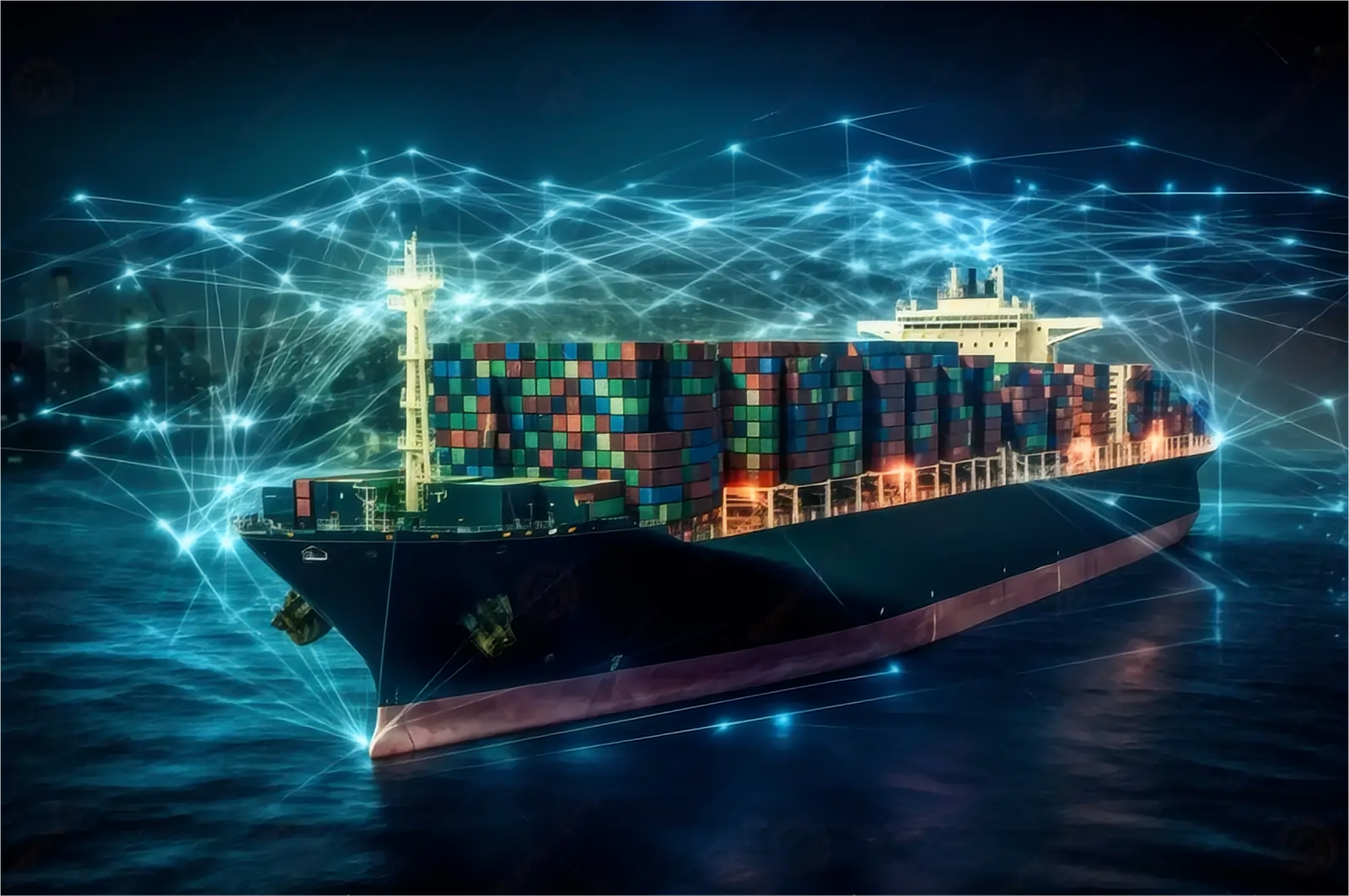
Sea Freight China Factory Shipping Netherlands: The Complete 2025 Logistics Guide
Successfully managing sea freight china factory shipping netherlands requires a deep understanding of international logistics and local regulations. Many businesses face challenges when coordinating between Chinese manufacturers and European distribution centers. This guide provides a comprehensive roadmap to help you navigate ocean transport, minimize costs, and ensure timely delivery to the Dutch market.

Understanding the Logistics of Sea Freight China Factory Shipping Netherlands
Ocean transport remains the backbone of trade between Chinese industrial hubs and the Port of Rotterdam. Specifically, sea freight offers the most cost-effective solution for moving large volumes of cargo over long distances. Most goods departing from Chinese factories are consolidated or loaded into dedicated containers before beginning their journey across the Indian Ocean and through the Suez Canal.
Consequently, shippers must choose between different service levels based on their specific inventory needs and budget constraints. Furthermore, the strategic location of the Netherlands as the Gateway to Europe makes it an ideal destination for regional distribution. Indeed, the efficiency of Dutch infrastructure allows for rapid inland transport once the vessel berths.
FCL vs. LCL: Which Option Fits Your Business?
Choosing between Full Container Load (FCL) and Less than Container Load (LCL) is a critical decision for every importer. In an FCL arrangement, you rent an entire 20-foot or 40-foot container for your exclusive use. This method is generally faster and safer because the container remains sealed from the factory until it reaches its destination.
On the other hand, LCL allows you to share container space with other shippers, which is ideal for smaller volumes. While LCL reduces costs for shipments under 15 cubic meters, it often involves longer transit times due to the consolidation and deconsolidation processes. Therefore, you should evaluate your cargo volume carefully before booking.
| Feature | FCL (Full Container) | LCL (Shared Container) | Best For |
|---|---|---|---|
| Volume | 15+ CBM | 1 – 15 CBM | FCL for bulk |
| Cost | Flat rate per container | Price per CBM | LCL for small |
| Security | High (Sealed) | Moderate (Shared) | FCL for fragile |
| Transit Time | Faster (Direct) | Slower (+5-7 days) | FCL for speed |
How Does Sea Freight Compare to Other Shipping Options?
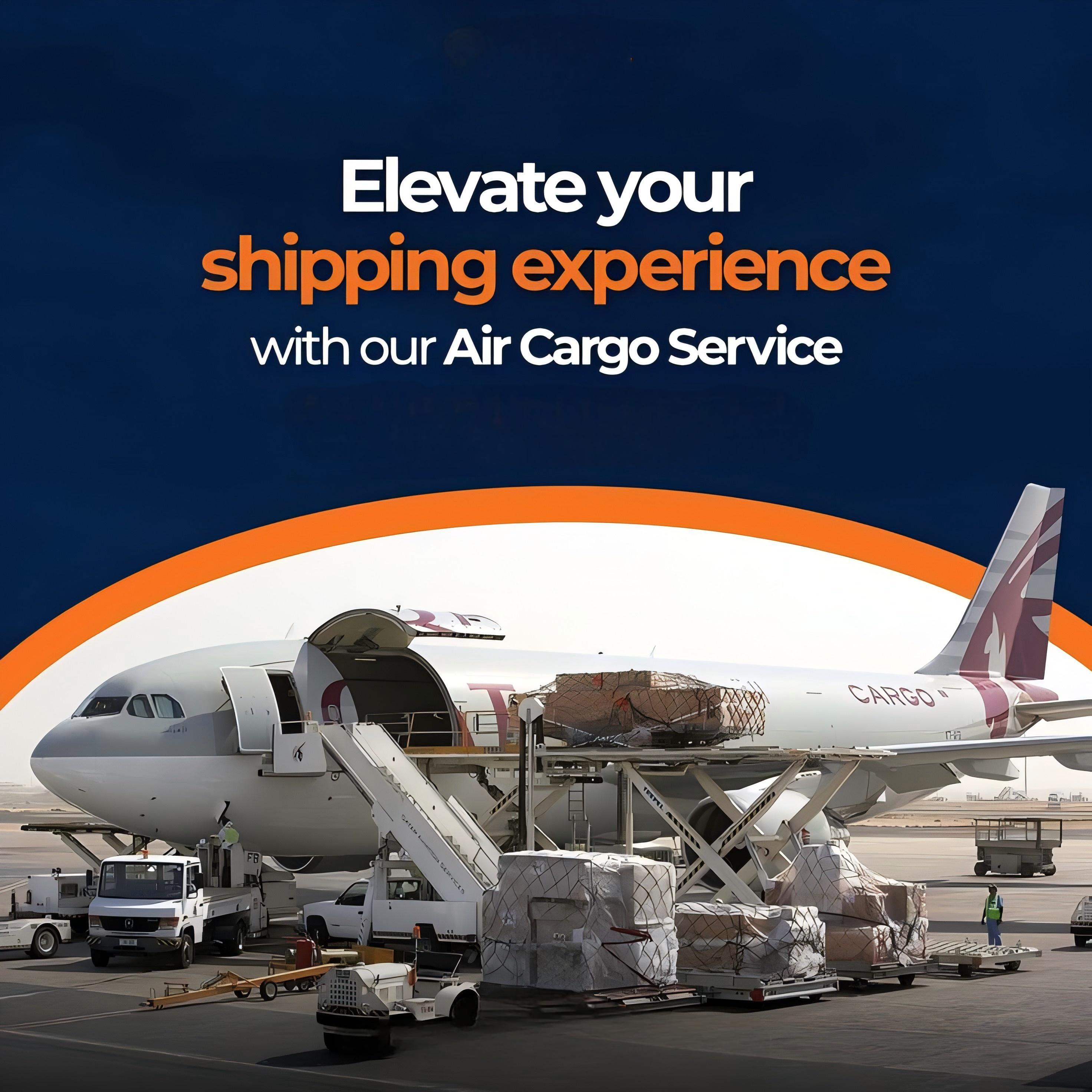
When planning shipping to Europe, it is essential to compare ocean transport with air and rail alternatives. While sea freight is the most economical, it is also the slowest, typically taking 30 to 45 days. In contrast, air freight can deliver goods in less than a week but at a significantly higher price point.
Additionally, rail freight has emerged as a popular middle-ground solution, offering faster speeds than the sea and lower costs than the air. However, rail capacity can be limited by geopolitical factors or infrastructure bottlenecks. To summarize, your choice depends on the balance between your required delivery speed and available logistics budget.
| Shipping Method | Cost Range | Transit Time | Best For |
|---|---|---|---|
| Sea Freight | $2,000 – $4,200 | 30 – 45 Days | Large volumes |
| Air Freight | $5.00 – $9.00/kg | 5 – 8 Days | Urgent goods |
| Rail Freight | $3,500 – $5,500 | 18 – 25 Days | Mid-size cargo |
| Express | $8.00 – $12.00/kg | 3 – 5 Days | Samples |
Hybrid Shipping Strategies
Many modern supply chains utilize sea-air or rail-sea combinations to optimize their delivery schedules. For instance, you might ship goods by sea to a major hub like Dubai and then fly them to Amsterdam to save time. Alternatively, using rail for the main leg and truck for the final mile can provide a reliable door-to-door solution. These hybrid models allow for flexibility when market conditions change unexpectedly.
Major Ports for Sea Freight China Factory Shipping Netherlands
The efficiency of your shipment often depends on the departure and arrival ports you select. In China, major ports like Shanghai, Ningbo-Zhoushan, and Shenzhen offer the highest frequency of sailings to Europe. Specifically, Shanghai is the world’s busiest container port, providing extensive connectivity for factories located in the Yangtze River Delta.
Meanwhile, the Port of Rotterdam serves as the primary gateway for the Netherlands and much of Western Europe. As the largest port in Europe, Rotterdam handles millions of TEUs annually and offers world-class customs facilities. Choosing a direct route to Rotterdam can save several days compared to transshipment through Mediterranean ports.
Which Option Should You Choose? Decision Framework
Deciding on the best shipping method requires a systematic evaluation of your business priorities. If your primary goal is cost minimization for non-perishable goods, sea freight is the undisputed winner. Conversely, if you are launching a new product and need to hit a specific marketing date, the speed of air or rail might justify the extra expense.
Moreover, consider the nature of your cargo before making a final commitment. Heavy machinery and bulk raw materials are almost always better suited for FCL sea freight. However, high-value electronics or fashion items with short shelf lives often require the rapid transit times offered by air services. Use the following criteria to guide your selection process.
Decision Criteria for Shippers
Budget priority: Recommend Sea Freight (LCL for small, FCL for large).
Speed priority: Recommend Air Freight or Express Service.
Cargo type: Heavy/Bulky Sea; Fragile/High-value Air; Consistent/Stable Rail.
Volume thresholds: If over 15 CBM, always choose FCL over LCL to save money.
Real Case Studies: China to Netherlands Shipments
Case Study 1: Electronics from Shenzhen to Rotterdam. This shipment involved 5 CBM of consumer electronics sent via LCL. The total landed cost was $1,350 with a door-to-door timeline of 38 days. Despite a minor delay at the Suez Canal, the consolidation process ensured the small business saved over $3,000 compared to air freight.
Case Study 2: Furniture from Ningbo to Amsterdam. A Dutch retailer imported a 40HQ container filled with home furniture. By using FCL, they secured a rate of $3,800 for the ocean leg. The shipment arrived at Rotterdam in 32 days, followed by 2 days for customs clearance and delivery. Total door-to-door time was 36 days, allowing the retailer to stock their warehouse ahead of the peak season.

Customs and Documentation for Netherlands Imports
Navigating Dutch customs is a vital part of the sea freight china factory shipping netherlands process. You must provide a Commercial Invoice, a Packing List, and a Bill of Lading for every shipment. Additionally, many importers benefit from using a professional customs brokerage to handle VAT and duty calculations.
The Netherlands offers a unique advantage known as Article 23 VAT deferment. This regulation allows businesses to defer the payment of import VAT to their periodic tax return instead of paying it at the border. Consequently, this significantly improves cash flow for companies importing large volumes of goods from China. Ensure your fiscal representative is familiar with these local Dutch tax laws.
Cost-Saving Strategies for China-Netherlands Sea Freight
Reducing your logistics expenses requires proactive planning and negotiation. First, try to book your shipments at least 2-3 weeks in advance to secure better rates and guaranteed space on the vessel. During peak seasons, such as the lead-up to Chinese New Year, rates can spike by 20% or more, so early booking is essential.
Second, optimize your packaging to maximize the use of container space. For LCL shipments, reducing the dimensions of your crates can lead to direct savings since you are billed by volume. Finally, consider using FOB (Free on Board) terms, which allow you more control over the sea freight portion of the journey and the choice of carrier.
Mastering Your Sea Freight Strategy
To summarize, sea freight china factory shipping netherlands remains the most efficient way to transport goods from Asia to the European market. By understanding the differences between FCL and LCL, selecting the right ports, and utilizing Dutch customs advantages like Article 23, you can build a resilient supply chain. Whether you are shipping electronics or industrial equipment, careful planning ensures your cargo arrives safely and affordably.
Market conditions in 2025 suggest that while rates have stabilized, flexibility remains key to success. We recommend maintaining close communication with your freight forwarder to stay informed about seasonal shifts and capacity changes. Start optimizing your logistics today to gain a competitive edge in the Dutch marketplace.
Ready to streamline your logistics?
Streamline your supply chain today with professional sea freight china factory shipping netherlands solutions. Visit Global China Freight to request a personalized quote and discover how our logistics experts can optimize your transit times and reduce your shipping costs for your next cargo movement.
Request Quote